
Data Communication And Networking Fundamentals Explained

Tejathabeebu (THABEEBU TEJA) · GitHub

Data communication and networking fundamentals are the backbone of our digital age, shaping how we connect, share, and communicate across the globe. With the rapid evolution of technology, understanding these concepts is essential for anyone looking to navigate the complex landscape of modern networking.

This overview will delve into the core principles of data communication, the diverse methods of data transmission, and the crucial roles that protocols play in ensuring effective communication. Moreover, we will explore different types of networks, key networking devices, and the intricacies of the OSI model, making the topic accessible and relevant.

Data Communication Fundamentals

Data communication is the exchange of data between devices through various transmission mediums. Understanding its fundamentals is essential as it lays the groundwork for networking technologies that power our digital interactions. This exchange is crucial in modern society, impacting everything from personal communication to business transactions and the functioning of the internet.Data communication encompasses several key principles that govern how data is transmitted, received, and processed.

Key among these is the concept of encoding, which transforms data into a format suitable for transmission. Additionally, the transmission medium, whether wired or wireless, plays a significant role in determining the effectiveness of data communication. The significance of these fundamentals cannot be overstated, as they impact speed, efficiency, and reliability in networking environments.

Types of Data Transmission Methods

Various methods exist for data transmission, each with its unique advantages and disadvantages. Choosing the appropriate method depends on the specific requirements of a network.

1. Serial Transmission

In this method, data is sent one bit at a time over a single channel. This approach is simpler and requires less bandwidth, making it ideal for long-distance communication. However, it can be slower than parallel transmission.

2. Parallel Transmission

Here, multiple bits are sent simultaneously across multiple channels. This can significantly increase the speed of data transfer but is limited by the distance over which it can operate, as signal degradation can occur over longer distances.

3. Synchronous Transmission

This method involves the sender and receiver being synchronized to a clock signal, allowing for a continuous stream of data. This can enhance speed and efficiency, but if synchronization fails, data integrity can be compromised.

4. Asynchronous Transmission

Data is sent without a synchronized clock signal, using start and stop bits to indicate the beginning and end of data packets. This method is more flexible and can be easier to implement, but it may experience delays due to idle time in the communication channel.

The Role of Protocols in Data Communication

Protocols are essential in data communication as they define the rules and conventions for data exchange between devices. They ensure that data is transmitted and received accurately, which is vital for the integrity of communication.Common protocols include:

TCP/IP (Transmission Control Protocol/Internet Protocol)

This suite is the foundation of internet communication, managing data packet transmission and routing across networks. TCP ensures reliable delivery, while IP handles addressing and routing.

HTTP (Hypertext Transfer Protocol)

This is the protocol used for transmitting web pages on the internet. It dictates how messages are formatted and transmitted, ensuring that web content is delivered efficiently.

FTP (File Transfer Protocol)

This protocol facilitates the transfer of files between computers on a network. It supports both uploading and downloading of files, making it essential for sharing data.

SMTP (Simple Mail Transfer Protocol)

Used for sending emails, SMTP defines the rules for transferring email messages from one server to another, ensuring successful communication in email systems.

“Protocols determine how data is packaged, addressed, transmitted, routed, and received.”

Networking Fundamentals

In the realm of data communication, understanding networking fundamentals lays the groundwork for effective system connectivity and data transfer. This section delves into the various types of networks, the devices that facilitate communication, and the layered structure of the OSI model that underpins these interactions.

Types of Networks

Networking can be categorized into several types, each serving distinct purposes and having unique characteristics. The three primary types are Local Area Networks (LAN), Wide Area Networks (WAN), and Metropolitan Area Networks (MAN). Each has its own scope, scale, and application.

  • Local Area Network (LAN): Typically limited to a small geographic area, such as a single building or campus. LANs enable high-speed data transfer and are commonly used in homes, schools, and offices.
  • Wide Area Network (WAN): Covers a broad area, potentially spanning cities or countries. WANs connect multiple LANs, often through leased telecommunication lines, and are essential for global communication.
  • Metropolitan Area Network (MAN): Intermediate in size between LANs and WANs, MANs serve a city or large campus. They are often used by organizations to connect multiple branches within a metropolitan area.

Networking Devices

Networking devices play crucial roles in facilitating and managing data communication within networks. Understanding their functions helps in appreciating how data travels from one point to another.

  • Router: A router connects multiple networks and directs data packets between them. It uses IP addresses to determine the best path for data transmission.
  • Switch: A switch operates within a LAN, connecting devices and using MAC addresses to send data only to the intended recipient, enhancing network efficiency.
  • Modem: A modem modulates and demodulates signals for data transmission over telephone lines or cable systems, allowing internet access.
  • Access Point: An access point extends a wired network by enabling wireless devices to connect, providing flexibility in accessing network resources.

OSI Model and Its Layers

The OSI model is a conceptual framework that standardizes the functions of a telecommunication or computing system into seven distinct layers. Each layer has its own responsibilities and interacts with the layers above and below it.

  • Layer 1 – Physical Layer: This layer deals with the physical connection between devices, including the transmission of raw binary data over various media. Examples include cables and switches.
  • Layer 2 – Data Link Layer: Responsible for node-to-node data transfer, error detection, and correction. It ensures reliable communication between directly connected devices.
  • Layer 3 – Network Layer: This layer manages the delivery of packets across multiple networks, utilizing routing protocols to determine optimal paths. Key components include routers and IP addressing.
  • Layer 4 – Transport Layer: Ensures complete data transfer with error recovery and flow control. Protocols like TCP and UDP operate at this layer to manage data segmentation and reassembly.
  • Layer 5 – Session Layer: Manages sessions and controls the dialogues between computers. It establishes, maintains, and terminates connections as needed.
  • Layer 6 – Presentation Layer: Translates data between the application layer and the network, managing data encryption and compression to ensure proper interpretation by the receiving end.
  • Layer 7 – Application Layer: The closest layer to the end-user, it provides the interface for applications to communicate over the network. Protocols such as HTTP, FTP, and SMTP operate here.

“The OSI model provides a universal language for different networking protocols, enabling interoperability and communication among diverse systems.”

Web and Software Development

Data Analytics Solutions: 5 Helpful Features to Look for

In today’s digital landscape, having a robust online presence is critical for businesses and individuals alike. Central to this presence are web hosting and domain names, which serve as the foundation for any website. Understanding their significance enables users to better navigate the world of web development, leading to improved website functionality and user experience. Moreover, the integration of e-commerce and digital marketing strategies can facilitate monetization opportunities, making web development not only a creative endeavor but also a lucrative one.

Web Hosting and Domain Names

Web hosting and domain names are essential components in establishing an online identity. A domain name serves as the unique address for a website, while web hosting refers to the storage space where a website’s files are kept. Together, they play a crucial role in how users access and interact with web content.

  • Domain Names: A domain name is a user-friendly representation of an IP address, making it easier for visitors to find websites. For instance, “www.example.com” is far more memorable than “192.0.2.1”. Domain names are crucial for branding and marketing purposes.
  • Web Hosting: This service allows individuals or organizations to make their website accessible via the internet. Hosting providers offer various plans and features, such as bandwidth, storage, and support, which impact site performance and user experience.
  • Significance: Having a reliable domain and hosting service ensures that a website is accessible, easy to find, and capable of handling traffic, which is vital for maintaining an online presence.

Designing and Developing Websites for User Experience

Creating a website that provides an excellent user experience involves a combination of design principles, functionality, and strategic planning. An effective website should be intuitive, visually appealing, and responsive across various devices.

  • Responsive Design: Websites must be optimized for different screen sizes, ensuring seamless navigation whether accessed on mobile, tablet, or desktop.
  • User Interface (UI): A clean and simple layout enhances usability. Consistent navigation, clear calls-to-action, and legible typography play a key role in keeping users engaged.
  • User Experience (UX): Employing user testing and feedback can help identify pain points, allowing developers to make necessary adjustments for improved functionality.
  • Content Quality: High-quality, pertinent content is essential for engaging users. It should be well organized, easy to read, and relevant to the audience.

Strategies for Making Money Online

Monetizing a website involves various strategies that leverage e-commerce and digital marketing. Individuals and businesses can generate revenue through several avenues, catering to different market needs.

  • E-Commerce: Setting up an online store allows businesses to sell products or services directly to consumers. Platforms like Shopify or WooCommerce streamline this process.
  • Affiliate Marketing: This involves promoting products or services of other companies and earning a commission on sales generated through referral links. It’s a popular strategy for bloggers and influencers.
  • Advertising: Displaying ads on a website through programs like Google AdSense can generate passive income. The more traffic a site attracts, the higher the potential earnings from ads.
  • Digital Products: Selling digital products, such as e-books, courses, or software, provides a scalable revenue model, as these products often have low overhead costs.

“The combination of reliable hosting, a memorable domain, and an engaging website design is essential for a successful online venture.”

Closing Notes

Tejathabeebu (THABEEBU TEJA) · GitHub

In summary, grasping data communication and networking fundamentals equips individuals with the knowledge to thrive in a technology-driven world. Whether you are a budding professional or someone curious about how our digital communications function, these principles lay the groundwork for a deeper understanding of how we interact online.

Essential FAQs

What is data communication?

Data communication is the transfer of data between devices or systems using various transmission methods, ensuring efficient and accurate information exchange.

What are the main types of data transmission?

The main types include analog and digital transmission, each with its advantages and disadvantages, depending on the context of use.

What is the role of protocols in networking?

Protocols are sets of rules that govern data communication, ensuring that devices can understand each other and communicate effectively.

What are common networking devices?

Common networking devices include routers, switches, hubs, and modems, each serving specific functions to facilitate network connectivity.

Why is the OSI model important?

The OSI model provides a framework for understanding network architecture and the functions of each layer in the data communication process.
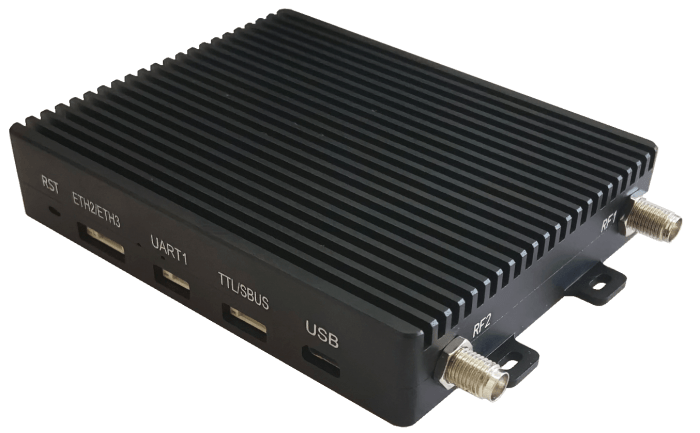
Wireless Data Transmission Technology Reshaping Communication

Broadband Wireless Video And Data Transmission System

Wireless data transmission technology has revolutionized the way we connect and communicate in our increasingly digital world. By eliminating the need for physical connections, this technology offers unparalleled convenience and flexibility, allowing information to flow seamlessly across various devices and networks.

From Wi-Fi and Bluetooth to cellular networks, the landscape of wireless communication is vast and continually evolving. The applications and benefits of these technologies are felt across multiple sectors, making them integral to modern life and business operations.

Overview of Wireless Data Transmission Technology

Wireless data transmission technology allows the transfer of data without the need for physical connections, using electromagnetic waves. This technology has revolutionized communication by enabling devices to connect and share information seamlessly. With the rapid advancement of wireless technologies, the world has become increasingly interconnected, enhancing both personal and professional communication.The fundamental principles behind wireless data transmission involve the use of radio waves, microwaves, or infrared signals to transmit data between devices.

These signals are modulated to carry information, which can then be demodulated by the receiving device to retrieve the original data. The effectiveness of wireless communication depends on various factors, including frequency range, signal strength, and interference from obstacles.

Types of Wireless Data Transmission Technologies

Several wireless data transmission technologies are widely used today, each with its unique characteristics and applications. Understanding these technologies is essential for recognizing their roles in modern communication.

  • Wi-Fi: This technology allows high-speed internet access and local area networking. Wi-Fi operates primarily in the 2.4 GHz and 5 GHz frequency bands, enabling devices to connect to the internet without wires. It is commonly used in homes, offices, and public spaces, providing convenience and flexibility for users.
  • Bluetooth: Bluetooth technology is designed for short-range communication between devices, typically within a range of 10 meters. It is widely used for connecting peripherals such as headphones, keyboards, and smartwatches to smartphones and computers. Bluetooth is energy-efficient, making it ideal for battery-operated devices.
  • Cellular Networks: Cellular networks provide mobile communication services over large geographic areas. These networks operate through a system of base stations that communicate with mobile devices. They support voice calls, text messaging, and internet access, with various generations (2G, 3G, 4G, and now 5G) offering progressively faster data speeds and improved connectivity.

Applications and Benefits of Wireless Data Transmission

Wireless data transmission technologies play a critical role in various applications, enhancing communication and connectivity in numerous sectors.The benefits of wireless data transmission include:

Mobility

Users can move freely while staying connected, which is particularly advantageous in mobile computing and communications.

Convenience

Wireless networks eliminate the need for cumbersome cables, allowing for easy setup and flexibility in device placement.

Scalability

Expanding a wireless network is often easier and less costly than a wired network, enabling businesses to adapt to changing needs without significant infrastructure investments.

Cost-Effectiveness

Reducing the requirement for physical wiring can lead to lower installation and maintenance costs.In real-world applications, industries such as healthcare, education, and entertainment have embraced wireless data transmission. For example, telemedicine relies on wireless communication to connect patients with healthcare providers remotely, allowing for timely consultations and diagnostics. In education, wireless networks enable online learning platforms, providing students with access to resources and interactive content from anywhere.

“The future of communication lies in the seamless integration of wireless technologies that enhance connectivity and user experience.”

Impact of Wireless Data Transmission on Various Industries

Exploring Wireless Data Transmission on Film Sets: The Power of ...

Wireless data transmission technology has profoundly influenced numerous industries, enhancing efficiency, communication, and service delivery. The ability to transmit data without physical connections has opened up new avenues for innovation and growth. This transformation is particularly evident in sectors such as healthcare, education, and entertainment, where wireless technologies have redefined operational frameworks and user experiences.

Transformations in Healthcare, Education, and Entertainment

The integration of wireless data transmission into healthcare has led to significant advancements in patient monitoring and telemedicine. Wireless devices allow healthcare providers to monitor patients in real-time, improving response times and patient outcomes. For instance, wearable devices that track vital signs can alert healthcare professionals of any irregularities, ensuring timely intervention.In the education sector, wireless technology has fostered a more interactive and accessible learning environment.

Students can connect to educational resources and collaborate on projects from anywhere, promoting an inclusive learning experience. Institutions utilizing wireless networks can provide instant access to information, enhancing both teaching and learning processes.Entertainment has seen a radical shift with the advent of wireless transmission technologies. Streaming services leverage wireless data to deliver high-quality content instantly to users’ devices. This shift has not only changed how content is consumed but has also influenced production and distribution methods within the industry.

Role of Wireless Technology in Smart Cities and IoT Devices

Wireless data transmission is crucial for the development of smart cities, where connectivity and automation enhance urban living. Smart cities utilize a network of sensors and devices to manage resources efficiently, thus improving the quality of life for residents. The role of wireless technology in this domain includes:

  • Traffic management systems that optimize flow using real-time data.
  • Smart street lighting that adjusts based on pedestrian activity.
  • Environmental monitoring systems that track air quality and noise levels.

The Internet of Things (IoT) heavily relies on wireless data transmission to connect devices and facilitate communication between them. Examples include smart home devices, which allow users to control heating, lighting, and security systems remotely. The seamless interaction between these devices is made possible by wireless protocols, enabling a more integrated and efficient living environment.

Case Studies of Successful Implementation

Several case studies illustrate the successful application of wireless data transmission across different industries:

1. Healthcare

The Mayo Clinic implemented a wireless patient monitoring system that significantly reduced hospital readmission rates. By using wearable devices that communicate with healthcare providers, they can monitor patients remotely and provide timely care.

2. Education

The University of California, Irvine introduced a campus-wide wireless network that enables students to access learning materials and collaborate on projects from anywhere on campus. This initiative has improved engagement and academic performance.

3. Entertainment

Netflix utilizes advanced streaming technology that relies on wireless data transmission to deliver content to millions of users worldwide. Their infrastructure supports high-definition streaming with minimal buffering, transforming the way people consume media.

“Wireless data transmission is not just a technological advancement; it’s a catalyst for innovation across industries.”

Future Trends in Wireless Data Transmission Technology

As the digital landscape continues to evolve, the future of wireless data transmission technology is filled with exciting possibilities. Emerging technologies such as 5G and beyond are transforming how data is transmitted and consumed across various devices. This evolution promises not only enhanced speed and connectivity but also an expansive array of applications that could redefine industries globally. Understanding these trends is crucial for businesses and consumers alike as they prepare to navigate the next wave of technological advancements.

Emerging Technologies in Wireless Data Transmission

The rollout of 5G technology has set the stage for an unprecedented leap in wireless data transmission. This new generation of mobile networks is designed to deliver ultra-fast speeds, low latency, and enhanced capacity, enabling a plethora of new applications. In addition to 5G, several other technologies are emerging as significant players in this space, including:

  • Millimeter Wave (mmWave): Operating at higher frequencies, mmWave can deliver massive data rates, making it essential for applications requiring high bandwidth, such as augmented reality (AR) and virtual reality (VR).
  • Massive MIMO (Multiple Input, Multiple Output): This technology employs multiple antennas at both the transmitter and receiver ends, improving the capacity and efficiency of wireless networks.
  • Wi-Fi 6 and Wi-Fi 6E: These advancements in Wi-Fi technology provide faster speeds and better performance in congested areas, enhancing user experiences in homes and businesses.
  • Low Earth Orbit (LEO) Satellites: Companies like SpaceX are launching constellations of LEO satellites to provide global internet access, particularly in underserved areas.

Advantages and Challenges of New Wireless Technologies

While the advantages of new wireless data transmission methods are compelling, they also come with unique challenges. The key benefits and obstacles include:

  • Advantages:
    • Higher data rates and bandwidth capacity lead to faster download and upload speeds.
    • Lower latency enhances real-time applications, making technologies like autonomous vehicles and telemedicine more viable.
    • Increased connectivity enables the Internet of Things (IoT), allowing countless devices to communicate efficiently.
  • Challenges:
    • Infrastructure investment is necessary for widespread deployment, particularly in rural and underserved regions.
    • Interference and obstacles can affect signal quality, especially for higher frequency bands like mmWave.
    • Cybersecurity risks escalate as more devices become interconnected, necessitating robust security measures.

Roadmap for Future Developments in Wireless Data Transmission

To guide the future of wireless data transmission technology, a strategic roadmap can help identify potential innovations and breakthroughs. Key milestones to consider include:

Continued development of network infrastructure and regulation will be crucial for realizing the full potential of wireless technologies.

  • 2025-2030: Widespread adoption of 5G globally, with improvements in network efficiency and capacity through advanced technologies like massive MIMO.
  • 2030-2035: The emergence of 6G technologies, promising even higher speeds and capacities, potentially leveraging terahertz frequency bands.
  • 2035 and Beyond: Integration of AI and machine learning within wireless networks to optimize data transmission and enhance user experiences.
  • Innovative Applications: Expansion of applications in smart cities, autonomous systems, and immersive technologies, paving the way for new markets and industries.

Final Review

Broadband Wireless Video And Data Transmission System

As we look to the future, the potential of wireless data transmission technology remains boundless. Innovations like 5G and advancements in IoT promise to further enhance connectivity, making our environments smarter and more efficient. Embracing these changes will undoubtedly lead to a more interconnected world.

Essential FAQs

What is wireless data transmission technology?

It refers to the methods and technologies used to transmit data over distances without physical connections, utilizing radio waves or infrared signals.

How does Wi-Fi differ from Bluetooth?

Wi-Fi is designed for high-speed internet access over a wider range, while Bluetooth is meant for short-range communication between devices.

What industries benefit most from wireless data transmission?

Industries such as healthcare, education, and entertainment have seen significant transformations due to the adoption of wireless technologies.

What are the challenges of implementing wireless data transmission?

Challenges include security vulnerabilities, signal interference, and limitations in range and bandwidth.

How will 5G change wireless data transmission?

5G will provide faster speeds, lower latency, and greater capacity, enabling more devices to connect simultaneously and enhancing the performance of applications.