The Role of Technology in Shaping the Modern World

Technology has become an essential part of everyday life, transforming how people work, communicate, learn, and entertain themselves. From smartphones and cloud computing to artificial intelligence and the Internet of Things (IoT), modern technology continues to reshape industries and redefine human potential. As digital transformation accelerates, understanding the impact of technology is more important than ever.

Technology and Daily Life

In today’s digital age, technology simplifies daily tasks and improves efficiency. Mobile applications allow users to manage finances, order food, book transportation, and communicate instantly from anywhere in the world. Smart devices such as wearable fitness trackers and home automation systems enhance convenience while promoting healthier lifestyles. These advancements show how deeply technology is integrated into modern living.

The Impact of Technology on Business

Technology plays a critical role in business growth and innovation. Cloud computing enables companies to store data securely, reduce operational costs, and scale quickly. Automation and artificial intelligence help businesses improve productivity by streamlining repetitive tasks and analyzing large volumes of data. E-commerce platforms and digital marketing tools allow organizations to reach global audiences, making technology a key driver of economic growth.

Artificial Intelligence and Innovation

Artificial intelligence (AI) is one of the most influential technological advancements of the 21st century. AI-powered systems are used in healthcare to diagnose diseases, in finance to detect fraud, and in customer service through chatbots and virtual assistants. Machine learning algorithms continuously improve performance by analyzing data patterns, making AI a cornerstone of future innovation.

Technology in Education

Education has been revolutionized by technology. Online learning platforms, virtual classrooms, and digital resources provide access to knowledge regardless of location. Students can learn at their own pace using interactive tools, videos, and simulations. Technology also enables educators to personalize learning experiences, improving engagement and outcomes.

Challenges and Ethical Considerations

Despite its benefits, technology also presents challenges. Cybersecurity threats, data privacy concerns, and digital inequality remain major issues. As technology advances, ethical questions around artificial intelligence, surveillance, and automation continue to grow. Addressing these challenges requires responsible innovation, strong regulations, and digital literacy.

The Future of Technology

The future of technology promises even greater advancements. Emerging technologies such as blockchain, quantum computing, and augmented reality are expected to transform industries further. As innovation continues, technology will play a vital role in solving global challenges, from climate change to healthcare accessibility.

Conclusion

Technology is a powerful force shaping the modern world. While it offers immense opportunities for growth and innovation, it also requires careful management and ethical responsibility. By embracing technology thoughtfully, society can harness its full potential and build a smarter, more connected future.

Multi-device Charging Stations For Modern Needs

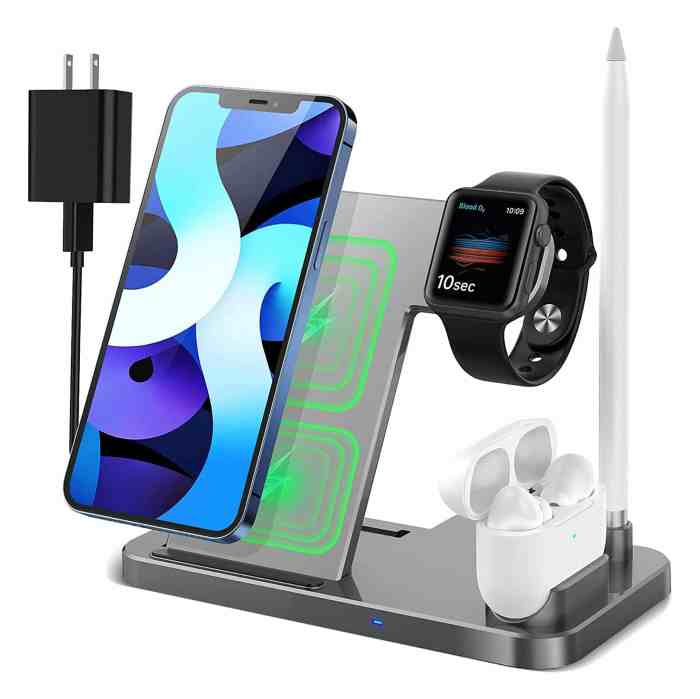
10 Best Apple Charging Stations for Multiple Devices: 3-in-1 Charging ...

Multi-device charging stations have become a crucial part of our tech-savvy lives, seamlessly integrating into both home and office environments. These stations cater to a variety of devices, from smartphones to tablets and laptops, ensuring that our gadgets are always powered up and ready for use.

With the rise in the number of devices we rely on daily, the convenience of charging multiple gadgets simultaneously cannot be overstated. Beyond just functionality, these stations offer sleek designs and advanced features that enhance user experience, making them an essential investment for anyone looking to stay organized and efficient in an increasingly digital world.

Overview of Multi-Device Charging Stations

10 Best Apple Charging Stations for Multiple Devices: 3-in-1 Charging ...

In today’s fast-paced, tech-driven world, multi-device charging stations have emerged as a necessity for both personal and professional settings. With the ubiquity of smartphones, tablets, laptops, and other gadgets, managing multiple charging needs efficiently is essential. Multi-device charging stations simplify this process by providing a centralized hub for powering various devices simultaneously, ensuring that users remain connected and productive.These charging stations are designed to accommodate a range of devices, making them versatile solutions for modern life.

The types of devices that can typically be charged include smartphones, tablets, smartwatches, laptops, and even wireless earbuds. Many stations feature USB-A and USB-C ports, enabling compatibility with a wide array of gadgets, while some may also include Qi wireless charging pads for added convenience.

Benefits of Using Multi-Device Charging Stations in Home and Office Settings

Utilizing multi-device charging stations in both home and office environments brings several advantages that enhance efficiency and organization. Their ability to charge multiple devices at once minimizes clutter and simplifies the charging process. Below are some key benefits that highlight the importance of these stations:

  • Space-Saving Design: Multi-device charging stations often have compact designs that conserve valuable space on desks and countertops, streamlining the environment.
  • Reduced Cable Clutter: By consolidating multiple chargers into one station, users can declutter their spaces, leading to a more organized and aesthetically pleasing setup.
  • Time Efficiency: Charging several devices at once allows users to save time, especially in busy households or fast-paced offices where every minute counts.
  • Enhanced Device Compatibility: These stations usually support a wide range of devices, ensuring that various family members or team members can charge their gadgets without compatibility issues.
  • Smart Charging Capabilities: Many charging stations come equipped with smart technology that optimizes charging speed and prevents overcharging, thereby prolonging the lifespan of devices.

The integration of multi-device charging stations into daily life not only offers practical benefits but also contributes to a more efficient and organized lifestyle, making them indispensable in both personal and professional contexts.

Technological Features of Multi-Device Charging Stations

Modern multi-device charging stations represent a synergy of cutting-edge technology and user-centric design. These stations are engineered to accommodate the diverse charging needs of contemporary electronic devices, providing convenience and efficiency. The following sections will explore the key technological features of these charging stations, their compatibility with various charging protocols, and the safety measures in place to ensure safe charging.

Key Technological Features

Multi-device charging stations boast a range of advanced features that enhance user experience and functionality. Some of the standout technological aspects include:

  • Smart Charging Technology: This feature automatically detects the connected devices and adjusts the power output for optimal charging speed and safety. It is designed to maximize efficiency, reducing charging time without risking damage to the devices.
  • Multiple Charging Ports: These stations come equipped with various ports, including USB-A, USB-C, and wireless charging pads, allowing users to charge multiple devices simultaneously, from smartphones and tablets to laptops and wearables.
  • Fast Charging Capabilities: Many modern charging stations support fast charging protocols like Power Delivery (PD) and Quick Charge, which significantly reduce charging times for compatible devices.
  • Wireless Charging Support: With the rise of Qi technology, many charging stations now offer wireless charging pads, allowing users to charge their devices without the hassle of cables.

Charging Protocols

The compatibility of charging protocols is crucial for ensuring seamless operations among different devices. Commonly used protocols include USB-C and Qi wireless charging:

  • USB-C: This universal connector supports high-speed data transfer and power delivery up to 100W, making it suitable for charging laptops and other high-demand devices. USB-C ports are increasingly standard across various gadgets, which enhances compatibility.
  • Qi Wireless Charging: This standard allows devices equipped with wireless charging capabilities to charge by simply placing them on a compatible pad. Qi charging is popular due to its convenience, though it typically offers slower charging speeds compared to wired connections.

In terms of compatibility, USB-C is widely adopted, ensuring that most modern devices can connect without issues. Qi, while popular in smartphones and accessories, requires compatibility with each specific device to function correctly.

Safety Features

Safety is a paramount concern when it comes to charging devices, and modern multi-device charging stations incorporate several protective features:

  • Overvoltage Protection: This feature safeguards devices from power surges that could potentially damage their internal components. The charging station automatically limits the voltage output to safe levels.
  • Overcurrent Protection: Similar to overvoltage protection, this feature prevents excessive current flow, which can lead to overheating and potential fire hazards.
  • Short Circuit Protection: In the event of a short circuit, this system immediately cuts off power to prevent damage to the devices and the charging station itself.
  • Temperature Control: Many charging stations include temperature sensors that monitor device heat levels, preventing overheating and ensuring safe operation during charging.

These safety features collectively create a more secure charging environment, allowing users to charge multiple devices without fear of damage or failure.

Market Trends and Future of Multi-Device Charging Stations

The multi-device charging station industry is evolving rapidly, influenced by advancements in technology and changing consumer behaviors. As mobile computing becomes more integral to daily life, the demand for efficient and versatile charging solutions is increasing. This section delves into current market trends, the impact of mobile computing on design, and potential innovations that may shape the future of charging stations.

Current Market Trends in Multi-Device Charging Stations

The market for multi-device charging stations is witnessing significant growth, driven by several trends that reflect the changing landscape of consumer technology. Increasing reliance on smartphones, tablets, and laptops has led to a surge in demand for charging solutions that accommodate multiple devices simultaneously. Key trends include:

  • Integration of wireless charging technology: Many charging stations are now equipped with Qi wireless charging pads, allowing for convenience and eliminating the need for cables.
  • Smart features: Advanced charging stations are incorporating smart technology, enabling users to monitor charging status through apps and to optimize charging speeds based on device requirements.
  • Design and aesthetics: Modern consumers favor sleek, aesthetic designs that complement their living and working spaces. Manufacturers are responding with visually appealing charging solutions that blend seamlessly into various environments.
  • Eco-friendly materials: Sustainability is becoming a priority, with manufacturers increasingly using recyclable materials and energy-efficient technologies in production.

Impact of Mobile Computing on Charging Station Design

As mobile computing continues to expand, the design of charging stations must adapt to meet evolving user needs. This shift emphasizes functionality, accessibility, and user experience. Key considerations include:

  • Compact and portable designs: With the rise of remote work and mobile lifestyles, consumers prefer lightweight and easily transportable charging solutions compatible with their on-the-go routines.
  • Multi-device capabilities: Charging stations are being developed to support a variety of devices simultaneously, addressing the need for convenience in a multi-gadget world.
  • Enhanced power output: Fast charging capabilities are becoming a standard expectation, as users seek quick and efficient ways to power their devices, particularly in high-demand scenarios.

Potential Innovations in Multi-Device Charging Technology

Looking ahead, the multi-device charging station industry is poised for further innovation. The following advancements are anticipated to reshape the market:

  • Solar-powered charging stations: As green technology gains traction, solar panels integrated into charging stations could provide an eco-friendly power source, especially in outdoor settings.
  • Integration with smart home systems: Future charging stations may connect with smart home ecosystems, allowing for automated scheduling and energy management based on user habits and preferences.
  • Modular designs: Customizable charging stations that allow users to add or remove charging ports based on their needs could provide flexibility and cater to diverse user requirements.
  • Advanced safety features: Innovations in safety, such as overheating protection and surge protection technology, will ensure that devices are charged securely and efficiently.

Wrap-Up

Multi-device charging stations

In conclusion, multi-device charging stations not only provide practical solutions to our modern charging dilemmas but also represent a shift towards more efficient technology management. As we embrace the future, these charging stations will continue to evolve, enriching our daily lives and keeping us connected wherever we go.

FAQ Explained

What types of devices can be charged?

Multi-device charging stations can charge smartphones, tablets, laptops, smartwatches, and even wireless earbuds.

Are multi-device charging stations safe?

Yes, most modern stations come equipped with safety features like surge protection and temperature control to safeguard your devices.

Can I use a multi-device charging station with older devices?

Many multi-device chargers support various charging protocols, allowing compatibility with older devices, though charging speeds may vary.

Do I need special cables for charging?

While many devices can use standard cables, it’s best to check if your charging station requires specific types, like USB-C or micro USB.

Can these stations charge devices wirelessly?

Yes, many multi-device charging stations feature Qi wireless charging capabilities, allowing compatible devices to charge without cables.

Latest smartphone accessories must-haves and trends

16+ Latest Bubu Lace Gown Style – Page 5 of 20 – A Million Styles

With latest smartphone accessories leading the charge in tech innovation, it’s time to explore the essentials that elevate our mobile experience. From sleek cases to cutting-edge charging solutions, these accessories not only enhance functionality but also reflect personal style.

This guide dives into the top five must-have accessories for the latest smartphones, highlighting the benefits of wireless charging pads, the importance of screen protectors, and the varying types of smartphone cases available. We’ll also touch on how current trends in mobile computing, like 5G and augmented reality, are shaping the future of smartphone accessories.

Latest Smartphone Accessories

16+ Latest Bubu Lace Gown Style – Page 5 of 20 – A Million Styles

As smartphones continue to evolve, so do their accessories, making them more essential than ever for enhancing functionality and protection. The latest smartphone accessories not only complement these powerful devices but also improve user experience, providing convenience and security. Below, we explore the top five must-have accessories that every smartphone owner should consider.

Top Five Must-Have Accessories

The following accessories are considered indispensable for maximizing the use of your smartphone. Each item has unique features that cater to various needs and preferences.

  • Wireless Charging Pads: These pads provide a convenient way to charge your device without the hassle of cables. Simply place your phone on the pad, and charging begins instantly.
  • Screen Protectors: Essential for maintaining the integrity of your smartphone’s display, they safeguard against scratches and cracks, ensuring your screen stays pristine.
  • Smartphone Cases: A protective case not only enhances grip but also absorbs impact in case of accidental drops. They come in various designs and materials tailored to suit different styles.
  • Portable Power Banks: With the increasing use of smartphones, a power bank ensures you never run out of battery, providing essential backup power for on-the-go users.
  • Bluetooth Headphones: These wireless headphones offer freedom of movement and superior sound quality, making them perfect for listening to music or taking calls hands-free.

Features and Benefits of Wireless Charging Pads

Wireless charging pads have surged in popularity due to their ease of use and sleek design. They utilize electromagnetic fields to transfer energy from the pad to the smartphone, eliminating the need for physical connectors.

“Wireless charging pads enhance convenience, allowing you to charge your smartphone without the hassle of plugging in a cable.”

Benefits include:

  • Hassle-Free Charging: Simply place your device on the pad to start charging, making it an effortless process.
  • Reduced Wear and Tear: Without the need for constant plugging and unplugging, the wear on charging ports is significantly reduced.
  • Multi-Device Capability: Many pads can charge multiple devices simultaneously, perfect for households with several gadgets.

Importance of Screen Protectors and Their Types

Screen protectors are crucial for preserving your smartphone’s display against damage. They come in various forms, each offering different levels of protection and features.

“A screen protector is an investment in your device’s longevity, preventing costly repairs or replacements.”

Types include:

  • Tempered Glass Protectors: These offer robust protection against impacts and scratches while maintaining touch sensitivity and clarity.
  • Plastic Film Protectors: Thin and lightweight, they provide basic scratch protection but may not guard against severe impacts.
  • Liquid Screen Protectors: These provide a layer of protection that bonds to the screen at a molecular level, offering scratch resistance without adding bulk.

Comparison of Different Types of Smartphone Cases

Smartphone cases vary significantly in design and protective qualities, catering to different lifestyles and preferences.

“Choosing the right smartphone case is critical for balancing style and protection.”

The following types offer varying degrees of protection:

  • Rugged Cases: Designed for extreme conditions, these cases usually include heavy-duty materials that can withstand drops, dust, and moisture.
  • Slim Cases: Offering minimal bulk, slim cases provide basic protection and are ideal for users who prioritize aesthetics while still wanting some defense.
  • Wallet Cases: These multifunctional cases combine phone protection with the convenience of carrying cards and cash, making them perfect for on-the-go lifestyles.

Trends in Mobile Computing

As mobile computing continues to evolve, the impact of new technologies and trends significantly shapes the landscape of smartphone accessories. Innovations such as 5G connectivity, augmented reality (AR), and the Internet of Things (IoT) are not only enhancing the user experience but also pushing accessory manufacturers to adapt and develop new products that cater to these advancements. This exploration dives into how these trends influence accessory design and functionality, ensuring users stay equipped with the latest and most effective tools.

Impact of 5G Technology on Smartphone Accessories

The rollout of 5G technology has revolutionized mobile connectivity, providing lightning-fast internet speeds and lower latency. This advancement has led to the development of accessories that can fully leverage these new capabilities. High-speed data transfer allows smartphone users to engage in activities such as 4K video streaming and cloud gaming with minimal interruptions. Consequently, manufacturers are creating accessories like enhanced mobile hotspots, high-capacity power banks, and advanced cooling cases designed to handle the increased heat generated by intensive mobile activities.

Advancements in Augmented Reality (AR) Accessories for Smartphones

The integration of augmented reality (AR) into mobile applications has surged in popularity, creating demand for specialized accessories that enhance user experiences. AR-compatible devices, such as AR glasses and cases that enable users to interact with virtual environments, are emerging. For instance, brands are developing lightweight AR headsets that connect seamlessly with smartphones, allowing users to enjoy immersive gaming or navigation experiences.

These accessories often feature built-in sensors and cameras that improve tracking and interaction, providing a more interactive and engaging experience.

Integration of IoT Devices with Smartphones

Smartphones have become central hubs for managing multiple Internet of Things (IoT) devices in our daily lives. This integration has led to the development of accessories that enable smoother interactions between smartphones and IoT devices. Smart home hubs, for example, allow users to control lighting, security cameras, and thermostats directly from their smartphones. Additionally, wearables like smartwatches and fitness trackers are increasingly designed to communicate with smartphones to track health metrics and provide notifications, enhancing the overall mobile ecosystem.

Influence of Mobile Computing Trends on Accessory Design and Functionality

Mobile computing trends are shaping accessory designs to be more versatile and functional. Accessories are now designed not just for aesthetics but for enhanced performance and compatibility with advanced features. For instance, cases are being crafted with materials that provide better signal reception to accommodate 5G’s requirements, while charging docks are being designed with wireless capabilities to support rapid charging for devices with high power demands.

Furthermore, trends toward sustainability are influencing accessory production, with more manufacturers opting for eco-friendly materials and processes to meet consumer expectations for environmentally responsible products.

“The advancements in mobile computing are not just technical improvements; they are fundamentally changing how we interact with the world.”

Related Technological Topics

HDHub4u 2025 Hindi Dubbed: The Ultimate Guide To Streaming And ...

As smartphone accessories evolve, it’s essential to explore the related technological topics that enhance and complement the mobile experience. This includes a look at essential gadgets, the intersection of web hosting and mobile accessory website development, the adaptation of e-books to current mobile computing trends, and important security measures to safeguard devices against cyber threats.

Essential Gadgets Complementing Smartphone Accessories

A variety of gadgets complement smartphone accessories, enhancing functionality and user experience. These essentials often work seamlessly with smartphones, making daily tasks more convenient. Here are some key gadgets worth considering:

  • Wireless Chargers: Eliminate the hassle of cords and provide easy charging access.
  • Smartphone Gimbals: Stabilize your phone for smooth video recording, ideal for content creators.
  • Bluetooth Earbuds: Offer wireless audio solutions, perfect for users on the go.
  • Portable Power Banks: Ensure your device stays charged during long outings, a lifesaver for heavy users.
  • Smartphone Camera Lenses: Enhance photography capabilities with external lenses for varied shooting styles.

Relationship Between Web Hosting and Mobile Accessory Website Development

Web hosting plays a critical role in the development and operation of mobile accessory websites. A reliable web hosting service ensures that online stores run smoothly, offering an optimal shopping experience. Factors such as speed, uptime, and security are paramount, as they affect user engagement and retention.

“The choice of web hosting directly impacts how well a mobile accessory website performs and how customers perceive the brand.”

A well-hosted site can handle high traffic during promotional events or product launches, ensuring customers have seamless access to the latest accessories.

Adaptation of E-Books to Mobile Computing Trends

E-books have undergone significant adaptations to align with mobile computing trends. With the rise of smartphones and tablets, e-books are now designed to enhance usability and accessibility. Features such as adjustable font sizes, background colors, and built-in dictionaries cater to diverse reading preferences.Additionally, the integration of multimedia elements, such as videos and interactive content, enriches the reading experience and engages users more deeply.

E-books are increasingly optimized for readability on various screen sizes, ensuring that users can enjoy them no matter their device.

Security Measures for Protecting Devices and Accessories

As smartphone usage grows, so does the risk of cyber threats. Implementing robust security measures is essential for protecting devices and their accessories. Here are some critical strategies to consider:

  • Use Strong Passwords: Create complex passwords that are hard to guess and change them regularly.
  • Enable Two-Factor Authentication: Add an extra layer of security to your accounts and devices.
  • Keep Software Updated: Regular updates can patch vulnerabilities and improve security features.
  • Utilize Security Software: Invest in reputable antivirus and anti-malware software for your devices.
  • Be Wary of Public Wi-Fi: Avoid connecting to unsecured networks which can expose devices to threats.

Implementing these measures can significantly reduce the risk of device compromise and protect sensitive information from unauthorized access.

Final Thoughts

In conclusion, staying updated with the latest smartphone accessories is crucial for both protection and enhanced usability. By investing in these innovative tools, you can ensure that your smartphone remains a powerful ally in your daily life. Embrace the trends and make your tech work for you!

Questions and Answers

What are the top features to look for in smartphone cases?

Look for durability, shock absorption, slim design, and compatibility with wireless charging to ensure your case meets both protection and usability needs.

How can I choose the best screen protector for my smartphone?

Select a screen protector based on your lifestyle; options include tempered glass for durability or film protectors for a thinner profile.

Are wireless charging pads safe for my smartphone?

Yes, as long as they are certified and compatible with your device, wireless charging pads are safe and convenient for daily use.

Do I need a case if my smartphone is water-resistant?

While water resistance provides some protection, a case can still safeguard against drops and scratches, making it a wise investment.

How do augmented reality accessories work with smartphones?

Augmented reality accessories enhance smartphone capabilities by overlaying digital information onto the physical world, enhancing gaming, navigation, and interactive experiences.
Augmented Reality In Everyday Tech A Transformative Experience

Chapter 15: Technology and Innovations in Pop-up Retail Operations ...

Augmented reality in everyday tech is rapidly reshaping how we interact with the world around us. From enhancing our smartphones to revolutionizing gaming experiences, AR has become an integral part of our digital landscape.

This technology is not just about flashy visuals; it seamlessly integrates into practical applications like home automation, wearable devices, and digital marketing, offering users a unique blend of convenience and engagement.

Integration of Augmented Reality in Everyday Technology

Augmented Reality (AR) Archive | OERinfo – Informationsstelle OER

Augmented reality (AR) is transforming the way we interact with our surroundings, bringing digital elements into our physical world through everyday technology. From smartphones and tablets to wearable devices, AR enhances user experiences and provides practical applications that simplify daily tasks and enrich our environment. By embedding virtual objects into our reality, AR is shaping a new era of tech that is intuitive and engaging.

Application of Augmented Reality in Smartphones and Tablets

Smartphones and tablets have become the primary platforms for augmented reality applications. With built-in cameras, powerful processors, and advanced sensors, these devices can seamlessly blend digital content with the real world. AR apps can be used for various purposes, including gaming, education, navigation, and shopping. For instance, popular games like Pokémon GO enable users to capture virtual creatures in their actual surroundings, encouraging outdoor exploration.Moreover, AR features in apps like IKEA Place allow users to visualize furniture in their homes before making a purchase, providing a more informed shopping experience.

The integration of AR in mobile devices not only enhances entertainment but also adds value to practical applications, making daily tasks smoother and more enjoyable.

Augmented Reality in Wearable Devices

Wearable devices such as smart glasses and fitness trackers are pivotal in extending the capabilities of augmented reality. Smart glasses, like Google Glass and Microsoft HoloLens, overlay information directly onto the user’s field of view. This technology can display notifications, navigation directions, or even complex data visualizations, allowing users to access vital information hands-free. Fitness trackers, on the other hand, employ AR to gamify exercise routines.

For example, some devices utilize AR to create interactive environments where users can complete workouts in simulated landscapes, making fitness more engaging.

Role of Augmented Reality in Home Automation and Smart Home Devices

Augmented reality also plays a significant role in the realm of home automation and smart devices. By using AR applications, users can visualize how different smart devices integrate within their home environment. This can include seeing how smart lighting would change the ambiance of a room or how various security cameras would fit into the existing architecture without the need for physical installation.Furthermore, AR offers interactive interfaces to control smart home devices.

For instance, a user might point their smartphone at a smart thermostat to adjust the temperature, or use an AR app to manage home security systems more intuitively. This not only streamlines the user experience but also enhances the overall efficiency of managing home automation systems.

Augmented Reality in Digital Marketing and E-commerce

Augmented Reality (AR) is revolutionizing the landscape of digital marketing and e-commerce by offering immersive experiences that engage consumers in new and innovative ways. This technology allows customers to visualize products in their own environments before making a purchase, significantly enhancing the online shopping experience.AR not only improves product visualization but also helps brands stand out in a crowded market.

By integrating AR into their marketing strategies, businesses can create interactive experiences that capture consumer attention and foster stronger connections between the brand and the customer.

Examples of AR in Product Visualization

Numerous companies have successfully implemented AR technology to enhance product visualization, allowing consumers to interact with products before committing to a purchase. Here are some notable examples:

  • IKEA Place: This app allows users to place life-sized 3D models of IKEA furniture in their homes using their smartphones. Customers can see how a piece fits into their space, which aids in decision-making.
  • Sephora Virtual Artist: Sephora’s app enables users to try on makeup virtually using their phone cameras. This feature encourages customers to experiment with different looks without the need for physical samples.
  • Adidas’s AR Experience: Adidas has integrated AR in their app, letting customers scan shoes to see additional information and styling options, enriching the shopping experience and assisting in product choices.

Strategies for Integrating AR into Online Shopping Experiences

Integrating AR into online shopping involves a few strategic approaches that can enhance user experience and ultimately drive sales. Here are some effective strategies:

  • Interactive Product Displays: Brands can create AR experiences that allow consumers to view products from all angles and in various settings, leading to more informed purchase decisions.
  • Personalization: Using AR to create personalized shopping experiences, such as recommending products based on user preferences or previous purchases, can help increase customer satisfaction and loyalty.
  • Social Sharing Features: Incorporating social media sharing options within AR experiences encourages users to share their virtual experiences with friends, further promoting the brand.

Impact of AR on Consumer Engagement and Advertising Effectiveness

The integration of AR into marketing and e-commerce strategies has led to significant improvements in consumer engagement and advertising effectiveness. Brands leveraging AR have reported higher levels of interaction and conversion rates.

“AR can increase conversion rates up to 250% by allowing customers to visualize products in their environments.”

The impact of AR can be understood through various metrics, including:

  • Increased Engagement: AR experiences captivate users, often leading to longer interaction times with products and the brand.
  • Higher Conversion Rates: Studies show that consumers are more likely to make a purchase when they can visualize the product in a real-world context, significantly reducing return rates.
  • Enhanced Brand Recall: The memorable nature of AR experiences helps consumers remember brands and products, encouraging future purchases.

Augmented Reality in Gaming and Entertainment

Chapter 15: Technology and Innovations in Pop-up Retail Operations ...

Augmented Reality (AR) has made a significant impact on gaming and entertainment, reshaping how we interact with digital environments. By blending virtual elements with the real world, AR creates immersive experiences that engage players in ways that traditional gaming cannot. This technology has been embraced by both mobile and console gaming, leading to innovative gameplay and storytelling.The integration of AR in gaming has transformed the landscape, allowing players to experience interactive elements that respond to their physical surroundings.

Popular mobile games, such as Pokémon GO and Harry Potter: Wizards Unite, have utilized AR to enhance gameplay by encouraging players to explore their communities and interact with real-world landmarks. Additionally, console gaming is beginning to incorporate AR through systems like the Microsoft HoloLens and PlayStation VR, creating an engaging experience that blurs the line between the game and reality.

Popular Mobile Games and Console Gaming with AR

Numerous mobile games have successfully harnessed augmented reality technology to create unique gaming experiences. Below is a list of notable titles that have integrated AR:

  • Pokémon GO: Players capture virtual Pokémon in real-world locations, leading to increased social interaction and exploration.
  • Harry Potter: Wizards Unite: This game allows players to cast spells and interact with magical creatures in their local environments.
  • Ingress: An AR game that encourages players to explore their surroundings and capture portals based on real-world locations.
  • Jurassic World Alive: Players can collect and interact with dinosaurs in their vicinity, enhancing the thrill of the Jurassic park experience.
  • Ghostbusters World: Participants can hunt down ghosts and engage with iconic characters in their actual surroundings.

The rise of augmented reality in console gaming, while still developing, has already shown potential. Platforms like Microsoft’s HoloLens offer AR experiences that overlay digital content onto real-world objects. For instance, games like “Minecraft Earth” enable players to build structures that appear in their actual environment, merging creativity with physical space.

Immersive Entertainment Applications Utilizing AR

Aside from gaming, augmented reality has found its way into various entertainment applications, providing users with astonishing new experiences. Here’s a look at some notable applications:

  • AR Concerts: Virtual concerts are held where attendees experience live performances enhanced by AR visuals, bringing an added layer of engagement.
  • Interactive Theater: Productions that use AR to create dynamic storytelling, immersing the audience in the performance.
  • Virtual Reality (VR) and AR Mix: Experiences that combine VR headsets with AR elements to create interactive environments, like in “The Walking Dead: Onslaught.”
  • AR Art Installations: Artists use AR to create interactive art pieces that viewers can engage with through their smartphones or AR glasses.
  • AR-based Fitness Apps: Applications that gamify workouts by incorporating AR elements, making exercise more entertaining and engaging.

User Experience Comparison: Traditional Gaming vs. Augmented Reality Gaming

The user experience in traditional gaming significantly differs from that in augmented reality gaming. Traditional gaming typically relies on screens to deliver immersive storytelling and gameplay. Players are often confined to their living rooms or dedicated gaming spaces. In contrast, AR gaming encourages movement and exploration in the real world, enhancing physical engagement and social interaction.AR gaming offers a more interactive experience by blending digital elements with the physical environment.

Users can interact with virtual objects as if they were real, leading to a deeper emotional connection to the game. For example, in Pokémon GO, players must physically walk to catch Pokémon, fostering a sense of adventure and community among players.

“The fusion of virtual elements with reality in AR games provides an unparalleled level of immersion that traditional gaming cannot replicate.”

As AR technology continues to evolve, players can expect even more groundbreaking experiences that redefine the way we perceive gaming and entertainment.

Closing Notes

In summary, augmented reality in everyday tech is more than just a trend; it’s a dynamic force that enhances our daily lives in countless ways. As we move forward, the potential for AR to transform various sectors continues to grow, promising even more exciting developments on the horizon.

Helpful Answers

What is augmented reality?

Augmented reality is a technology that overlays digital information, such as images and sounds, onto the real world, enhancing the user’s perception of their environment.

How is AR used in smartphones?

AR is used in smartphones to create interactive experiences, such as navigation systems, gaming applications, and virtual try-ons for shopping.

Can AR improve online shopping?

Yes, AR enhances online shopping by allowing customers to visualize products in their own space, leading to better decision-making and increased satisfaction.

Is augmented reality only for gaming?

No, while gaming is a popular application, AR is also used in various fields such as education, healthcare, and real estate.

What are the future trends for AR in everyday tech?

Future trends include more immersive experiences, greater integration with AI, and widespread use in various industries for training and customer engagement.

CRM software comparison key insights and trends

Chapter 6: Using Contact Center Technology to Improve Customer ...

CRM software comparison is essential for businesses seeking to enhance their customer relationships and streamline operations. With numerous options available in the market, understanding the unique features and benefits of each CRM solution can significantly impact a company’s success. This exploration not only highlights the vital aspects of CRM systems but also guides you through key players and their offerings.

In this analysis, we will delve into the critical criteria for comparing various CRM software solutions, including pricing structures and user experiences. By examining these elements, businesses can make informed decisions that align with their specific needs and goals.

CRM Software Overview

CRM (Customer Relationship Management) software is an essential tool for businesses looking to enhance their interactions with customers, streamline processes, and increase profitability. By centralizing customer information and automating various tasks, CRM systems empower organizations to maintain and nurture client relationships effectively.The main features of CRM software typically include contact management, sales management, productivity tools, and reporting and analytics. These features work together to provide businesses with a comprehensive view of customer interactions, sales pipelines, and performance metrics.

The automation of routine tasks also allows teams to focus on building relationships and closing deals rather than getting bogged down in administrative work.

Main Features of CRM Software

The features of CRM software serve a critical role in enhancing customer interactions and overall business efficiency. Key functionalities include:

  • Contact Management: This feature allows businesses to store and manage customer information, including contact details, communication history, and preferences, all in one place.
  • Sales Management: CRM systems help track sales pipelines, manage leads, and forecast sales, ultimately aiding in closing deals faster.
  • Task Automation: Automation tools streamline repetitive tasks, such as follow-up emails and appointment scheduling, freeing up valuable time for sales teams.
  • Reporting and Analytics: Enhanced reporting tools provide insights into sales performance, customer behavior, and market trends, allowing for informed decision-making.
  • Integration Capabilities: Many CRM solutions can integrate seamlessly with other business applications, such as email, marketing platforms, and accounting software, to create a unified ecosystem.

Benefits of Using CRM Systems for Businesses

Implementing a CRM system presents numerous advantages that can significantly impact business performance. Notable benefits include:

  • Improved Customer Relationships: With access to comprehensive customer data, businesses can tailor their interactions, leading to increased customer satisfaction and loyalty.
  • Enhanced Collaboration: CRM platforms facilitate better collaboration among teams by providing shared access to customer information and communication logs.
  • Data-Driven Decisions: Advanced analytics help businesses identify trends and make informed strategic choices based on real-time data.
  • Increased Efficiency: By automating routine tasks, teams can focus on high-impact activities, leading to improved productivity and sales outcomes.
  • Scalability: CRM systems can grow with the business, allowing organizations to adapt to changing needs without sacrificing functionality.

Key Players in the CRM Market and Their Offerings

The CRM market is populated by several prominent players, each offering unique features and capabilities tailored to different business needs. Some key players and their notable offerings include:

  • Salesforce: Known for its extensive customization options and robust ecosystem, Salesforce provides a cloud-based CRM platform suitable for businesses of all sizes.
  • HubSpot: HubSpot offers a free CRM tool that is particularly popular among small to medium-sized businesses, featuring user-friendly interfaces and marketing automation tools.
  • Microsoft Dynamics 365: This CRM solution integrates seamlessly with other Microsoft products, making it ideal for organizations already using Microsoft services.
  • Zoho CRM: With affordable pricing and a suite of integrated applications, Zoho CRM caters to startups and small businesses seeking comprehensive functionalities.
  • Oracle NetSuite: This enterprise-level CRM solution is designed for large organizations, providing advanced analytics and real-time visibility into customer interactions.

“A good CRM system is like a compass, guiding businesses through the complexities of customer relationships and helping them navigate toward success.”

CRM Software Comparison Criteria

Chapter 6: Using Contact Center Technology to Improve Customer ...

When selecting a CRM software, it’s crucial to evaluate various aspects to ensure it meets the specific needs of your business. A well-informed comparison can help identify the best solution that not only enhances productivity but also aligns with your budget and growth objectives. To make an effective comparison, consider factors such as pricing, features, scalability, user interface, integration capabilities, customer support, and user feedback.

Each of these components plays a significant role in determining the overall effectiveness and suitability of a CRM tool for your organization.

Key Aspects for CRM Comparison

Understanding the key aspects of CRM solutions is essential for making a sound decision. Here are the primary criteria to consider when comparing different CRM software:

  • Pricing: Evaluate the pricing models, including subscription costs, one-time fees, and any additional charges for features or support.
  • Features: Analyze the core functionalities, such as lead management, sales forecasting, reporting, and automation capabilities.
  • Scalability: Consider how well the CRM can grow with your business. Look for options that can accommodate increased users or data without losing performance.
  • User Interface: Assess the ease of use and intuitiveness of the software. A user-friendly interface can reduce the learning curve for your team.
  • Integration: Check the compatibility with other software solutions your business uses, such as email marketing tools, accounting software, and e-commerce platforms.
  • Customer Support: Investigate the availability and quality of customer support, including options for live chat, phone support, and documentation.
  • User Feedback: Review user ratings and testimonials to gain insights into real-world experiences with the software.

CRM Comparison Table

Below is a comparison table of some of the top CRM tools, outlining their pricing, features, and customer support options:

CRM Tool Pricing Key Features Support
Salesforce Starting at $25/user/month Lead management, Marketing automation, Reporting 24/7 Support, Community Forum
HubSpot CRM Free basic features, Paid plans start at $50/month Contact management, Email tracking, Sales pipeline Email support, Knowledge Base
Zoho CRM Starting at $12/user/month Customizable dashboards, Workflow automation, Analytics Email support, Chat support
Pipedrive Starting at $15/user/month Pipeline management, Activity reminders, Reporting Email support, Live chat

User Reviews and Ratings

User reviews provide valuable insights into customer satisfaction and software performance. Here are some ratings and highlights from users of popular CRM solutions:

  • Salesforce: Rated 4.2/5 on Capterra. Users appreciate its customization options but note the steep learning curve.
  • HubSpot CRM: Rated 4.5/5 on G2. Users love its free features and ease of use, making it ideal for small businesses.
  • Zoho CRM: Rated 4.4/5 on Trustpilot. Users enjoy its affordability and comprehensive features, but some mention occasional bugs.
  • Pipedrive: Rated 4.5/5 on Software Advice. Users highlight its intuitive interface and effective sales tracking, with minor complaints about the mobile app.

Related Business Technologies

Marketing Cooperativo: Cooperación e Intercambio: El CRM del consumidor.

Establishing a robust online presence is crucial for CRM providers to reach their target audience effectively. This involves not just having a functional CRM software, but also leveraging complementary technologies that enhance visibility, usability, and training capabilities.

Role of Web Hosting and Domain Names

Web hosting and domain names serve as the foundation for CRM providers’ online presence, enabling potential customers to find and access their services easily. A reliable web hosting service ensures that the CRM provider’s website is consistently available, fast, and secure, which is essential for maintaining a professional image. A memorable domain name helps in brand recognition and contributes to search engine optimization (), making it easier for users to discover the software online.

Importance of Effective Web Design and Development

Effective web design and development play a significant role in the usability of CRM software. A well-designed interface ensures that users can navigate the software intuitively, facilitating a smoother experience that can lead to increased adoption rates. Features such as responsive design allow the CRM to function seamlessly across different devices, while user-centric design principles enhance usability by focusing on the needs and behaviors of the end-users.

This ultimately leads to higher satisfaction and productivity among users.

Integration of CRM Software with E-books and Multimedia

Integrating CRM software with e-books and multimedia resources can significantly enhance training and onboarding processes. Multimedia elements such as videos, infographics, and interactive e-books provide varied learning formats that cater to different learning styles, making training more engaging. For instance, tutorials that include video demonstrations of the software can help new users grasp functionalities quickly and effectively, leading to a more efficient onboarding experience.

This integration not only improves user competence but also fosters a deeper understanding of the CRM’s capabilities, ultimately benefiting the organization as a whole.

Outcome Summary

In conclusion, navigating the landscape of CRM software comparison reveals a wealth of opportunities for improving business performance and customer satisfaction. By understanding the key features, benefits, and criteria for selecting the right CRM, companies can position themselves for growth and success in an increasingly competitive market.

FAQ Section

What is CRM software?

CRM software is a tool designed to manage a company’s interactions with current and potential customers, helping to streamline processes and improve profitability.

How do I choose the right CRM software for my business?

Consider your business size, budget, specific needs, and the features offered by different CRM solutions before making a decision.

Can CRM software be customized?

Yes, many CRM systems offer customization options to tailor the software to meet your business’s unique requirements.

Is CRM software suitable for small businesses?

Absolutely! CRM software can benefit businesses of all sizes by improving customer relationships and operational efficiency.

How does CRM software integrate with other tools?

Most CRM solutions can integrate with various business tools such as email marketing platforms, accounting software, and e-commerce systems to enhance functionality.

Best Productivity Software For Enhanced Efficiency

Which law school has best quality of life? Best career prospects ...

Best productivity software is essential in today’s fast-paced world, transforming how we manage our time and tasks. These tools are designed to streamline workflows, enhance collaboration, and ultimately boost efficiency in both personal and professional environments.

With a range of features tailored to meet diverse needs, the best productivity software helps individuals and teams stay organized and focused, ensuring that important projects are completed on time and with minimal stress.

Best Productivity Software Overview

In today’s fast-paced world, productivity software plays a crucial role in helping individuals and teams manage their time and tasks efficiently. With a plethora of tools available, choosing the right software can significantly enhance productivity in both personal and professional settings. This overview delves into the key features of top-rated productivity software and highlights how these tools can streamline workflows and improve overall efficiency.The best productivity software typically offers a range of functionalities that cater to various needs.

These features are designed to help users organize tasks, collaborate with team members, and track progress toward goals. Some of the essential elements include task management systems, calendar integration, time tracking, and collaboration tools. By utilizing these features, users can minimize distractions and focus on what truly matters, ultimately leading to increased productivity and better outcomes.

Key Features of Top-Rated Productivity Tools

Understanding the key features of leading productivity tools is essential for selecting the right software that fits individual or organizational needs. The following are notable features that define the best productivity software on the market:

  • Task Management: Enables users to create, assign, and prioritize tasks effectively, ensuring that important deadlines are met.
  • Collaboration Tools: Facilitates communication and teamwork, allowing users to share files, leave comments, and work simultaneously on projects.
  • Time Tracking: Provides insights into how much time is spent on tasks, helping users identify areas for improvement and manage their schedules better.
  • Integration Capabilities: Allows connectivity with other applications and tools, streamlining workflows and enhancing overall efficiency.
  • Reporting and Analytics: Generates reports that provide valuable insights into productivity trends, helping users make informed decisions to optimize processes.

Productivity software empowers individuals and teams to achieve more by enabling better organization, communication, and data-driven decision-making.

Top-Rated Productivity Tools and Their Primary Functions

A variety of productivity tools have garnered high ratings for their functionality and user experience. Below are some of the top-rated software options along with their primary functions:

  • Trello: A visual task management tool that utilizes boards, lists, and cards to organize tasks and projects collaboratively.
  • Asana: A project management platform that allows teams to plan, track, and manage work from start to finish.
  • Slack: A communication platform designed for teams to facilitate real-time messaging, file sharing, and collaboration.
  • Todoist: A personal task manager that helps users create to-do lists, set reminders, and organize tasks by projects.
  • Microsoft Teams: A collaboration tool that integrates chat, video meetings, and file sharing within the Microsoft 365 ecosystem.

The integration of these tools into daily routines can significantly enhance productivity by streamlining processes, improving communication, and fostering collaboration among team members.

Enhancing Efficiency in Personal and Professional Settings

Productivity software has become indispensable in both personal and professional environments. By automating mundane tasks, these tools free up time for more strategic activities. In personal settings, users can manage their schedules seamlessly, leading to better work-life balance. In professional scenarios, teams can collaborate more efficiently, share information effectively, and track project progress in real-time.The ability to adapt and customize productivity software to specific workflows is another factor contributing to heightened efficiency.

Organizations can tailor tools to fit their unique processes, ensuring that every team member is aligned with their goals. Moreover, real-life implementations of productivity software have shown substantial time savings and improved project outcomes, highlighting the importance of leveraging technology to boost efficiency.

Comparison of Productivity Software Options

Which law school has best quality of life? Best career prospects ...

Productivity software plays a crucial role in enhancing efficiency and organization in both personal and professional settings. Various applications cater to different needs, making it essential to compare them based on usability, pricing, and features. This comparison will help users choose the right software that aligns with their specific requirements.When evaluating productivity software, it’s important to consider how each option fulfills user needs.

Let’s delve into a comparison of some of the most popular productivity applications currently available, focusing on their strengths and weaknesses, along with user experiences.

Strengths and Weaknesses of Popular Productivity Software

To provide a clearer perspective, the following table summarizes the key strengths and weaknesses of popular productivity software options, including Microsoft Office 365, Google Workspace, Notion, and Trello.

Software Strengths Weaknesses
Microsoft Office 365
  • Comprehensive suite of applications
  • Excellent offline functionality
  • Strong collaboration tools
  • Higher pricing tier
  • Complexity for new users
Google Workspace
  • Real-time collaboration features
  • User-friendly interface
  • Affordable pricing
  • Limited offline access
  • Lower customization options
Notion
  • Highly customizable
  • Integrated project management tools
  • Rich template library
  • Steeper learning curve
  • Performance issues with large databases
Trello
  • Visual task management
  • Simple and intuitive interface
  • Flexible with various integrations
  • Limited features on free version
  • Not suitable for complex project management

User experiences provide valuable insights into the effectiveness of these applications. Reviews indicate that while Microsoft Office 365 is favored in corporate settings for its extensive features and offline capabilities, Google Workspace is preferred by teams looking for collaborative tools that are easy to use. Notion receives praise for its flexibility and customization but may overwhelm new users with its extensive options.

Trello is loved for its simplicity in visual task management but can fall short for users needing more advanced project management functionalities.

“The choice of productivity software ultimately depends on individual or team needs, balancing usability with desired features.”

Integrating Productivity Software with Other Technologies

Integrating productivity software with other technologies enhances usability and functionality, creating a more streamlined workflow for users. This integration facilitates tasks by enabling seamless communication between different platforms and devices, ultimately leading to improved efficiency in both personal and professional environments.

Integration with Web Hosting and Domain Management

Productivity software often integrates with web hosting and domain management services to simplify website management and enhance online presence. These integrations allow users to manage their websites directly from their productivity tools, minimizing the need to switch between multiple platforms. Key benefits include:

  • Centralized Management: Users can update website content or manage domain settings directly from productivity software, streamlining the workflow.
  • Automated Notifications: Integration can enable automated alerts for domain renewals or hosting issues, ensuring that users remain proactive about their online assets.
  • Collaboration Tools: Many productivity software solutions offer collaborative features that allow teams to work together on web development projects, maintaining alignment and improving output quality.

Compatibility with Web Design and Development Platforms

Many productivity tools are designed to be compatible with popular web design and development platforms, making it easier for users to manage their projects effectively. This compatibility streamlines processes by allowing users to work on their designs while keeping track of tasks and deadlines within their productivity software. Important aspects of this integration include:

  • API Integrations: Most productivity software supports API integrations that enable users to connect with platforms such as WordPress, Wix, and Squarespace, allowing for smooth content updates.
  • Design Feedback: Tools such as Figma and Adobe XD can be integrated with productivity software for real-time feedback and task management, thus ensuring that design revisions are logged and tracked efficiently.
  • Version Control: Many productivity applications can manage project versions from web development platforms, which aids teams in avoiding conflicts and maintaining a clear project history.

Enhancing Productivity with Electronics and Gadgets

The utilization of electronics and gadgets can significantly improve the effectiveness of productivity software in daily tasks. Devices such as smartwatches, tablets, and voice-activated assistants can enhance user experience and increase efficiency. Notable enhancements include:

  • Smartwatches: These devices enable users to receive notifications, manage tasks, and even dictate notes directly from their wrist, promoting on-the-go productivity.
  • Tablets: With stylus support and productivity apps, tablets offer a versatile environment for note-taking, document editing, and project management, suitable for both creative and administrative tasks.
  • Voice Assistants: Integrating productivity software with voice-activated technologies allows users to create reminders, send messages, and manage schedules hands-free, which can be particularly beneficial for multitasking.

Outcome Summary

Best Residence Expo - Praha - Karlín

In conclusion, the right productivity software can be a game-changer for anyone looking to optimize their workflow. By understanding the various options available and how they can integrate with other technology, users can make informed decisions that significantly enhance their productivity.

Clarifying Questions

What are the key features to look for in productivity software?

Look for features such as task management, time tracking, collaboration tools, and integrations with other applications.

Is productivity software suitable for teams?

Yes, many productivity software options are designed specifically for teams, facilitating collaboration and communication.

How can I choose the best productivity software for my needs?

Consider your specific requirements, budget, and the features that are most important for your workflow when choosing software.

Are there free productivity software options available?

Yes, many productivity tools offer free versions or trials, allowing users to explore their features before committing to a paid plan.

Can productivity software help reduce stress?

Absolutely! By helping you stay organized and on top of tasks, productivity software can significantly reduce the stress of managing projects.

Zero Trust Security Model Redefining Cyber Defense

The Story of Zero

In a digital landscape fraught with threats, the zero trust security model emerges as a transformative approach, reshaping how organizations protect their assets. This strategy operates on the fundamental principle that trust should never be presumed, whether users are inside or outside the organizational perimeter.

By continuously verifying user identities and segmenting access, organizations can effectively minimize vulnerabilities. From tech giants to small businesses, the adoption of zero trust strategies is becoming paramount in today’s cybersecurity frameworks, illustrating a significant shift toward more resilient defenses.

Overview of Zero Trust Security Model

The Story of Zero

The Zero Trust security model is an innovative approach to cybersecurity that challenges traditional assumptions about network security. Instead of trusting users and devices based on their location within or outside the network perimeter, Zero Trust operates on the principle of “never trust, always verify.” This model aims to enhance security by ensuring that verification is required from everyone trying to access resources, regardless of whether they are inside or outside the organization’s network.The core principles of the Zero Trust model center around the concept of minimizing trust assumptions and maximizing verification.

These principles include strong identity verification, least privilege access, segmentation of resources, and continuous monitoring. By implementing these principles, organizations can better protect sensitive data and reduce the attack surface. For instance, a company may use multi-factor authentication (MFA) to ensure that only authorized users can access their systems. Additionally, user permissions are strictly controlled, allowing employees to access only the information necessary for their roles.

Implementation of Zero Trust

Organizations around the globe are increasingly adopting the Zero Trust security model as a part of their cybersecurity strategies. This implementation often involves several key practices and technologies.

  • Identity and Access Management (IAM): Many organizations utilize IAM solutions to enforce strong authentication and authorization measures. By leveraging MFA and single sign-on (SSO) protocols, companies can secure access to their applications and data effectively.
  • Network Segmentation: Firms often segment their networks into distinct zones, limiting access between these zones based on user roles and responsibilities. This minimizes lateral movement of threats within the network.
  • Continuous Monitoring: Zero Trust emphasizes real-time monitoring and analytics to detect anomalies or unauthorized access attempts. Tools such as Security Information and Event Management (SIEM) systems are commonly employed to achieve this.
  • Endpoint Security: Organizations deploy endpoint detection and response (EDR) tools to ensure that devices accessing the network are secure and compliant with security policies.
  • Data Encryption: Sensitive data is often encrypted both in transit and at rest to protect against unauthorized access and data breaches.

The implications of adopting a Zero Trust security model in modern cybersecurity strategies are profound. As cyber threats continue to evolve, organizations must prioritize a robust security posture that cannot be compromised by perimeter-based defenses. By embracing Zero Trust, companies can not only enhance their security frameworks but also improve compliance with regulatory standards. The model’s focus on continuous verification and access control helps organizations safeguard sensitive information and maintain the integrity of their networks.

“Zero Trust is not just a technology; it’s a holistic approach to security that recognizes the reality of today’s threats.”

Components of a Zero Trust Architecture

In today’s dynamic cybersecurity landscape, a Zero Trust architecture emerges as a robust framework that prioritizes security by assuming that threats may exist both inside and outside the network. To effectively implement this model, understanding its key components is crucial. Each element contributes to a comprehensive security posture, ensuring that organizations can effectively manage and mitigate risks.

Key Components of Zero Trust Architecture

The Zero Trust model comprises several vital components that work together to create a secure environment. These components enable organizations to establish a strategic approach to safeguard their assets and data.

  • Identity and Access Management (IAM): IAM plays a pivotal role in Zero Trust by ensuring that the right users have access to the right resources at the right time. It includes user authentication, authorization, and continuous monitoring to validate user identities consistently.
  • Micro-Segmentation: Micro-segmentation divides the network into smaller, isolated segments, which reduces the attack surface. This level of segmentation ensures that even if a breach occurs, the potential damage is contained within a specific segment.
  • Data Security: Protecting sensitive data through encryption, tokenization, and data loss prevention (DLP) strategies is essential in a Zero Trust model. This not only safeguards data at rest but also during transit.
  • Threat Intelligence: Incorporating real-time threat intelligence helps organizations stay ahead of emerging threats. By analyzing data from various sources, it enhances the system’s ability to identify and respond to potential security incidents.
  • Security Analytics: Utilizing advanced analytics tools allows organizations to monitor user behavior and detect anomalies. This proactive approach helps in identifying potential breaches before they escalate.

Role of Identity and Access Management in Zero Trust

Identity and Access Management is fundamental to the Zero Trust security framework. It ensures that user identities are verified continuously, rather than relying on a single authentication event. This ongoing verification is essential in a landscape where threats are ever-evolving.Identity verification encompasses multiple methods, including multi-factor authentication (MFA), which adds an additional layer of security. Organizations must adopt strict policies governing user access, ensuring that permissions are granted based on the principle of least privilege.

Regular audits of access rights can mitigate risks associated with over-privileged accounts, which are often targeted by malicious actors.Additionally, IAM integrates with other security components, such as micro-segmentation, by controlling user permissions within specific segments of the network. This layered approach not only enhances security but also fosters a more agile response to access requests based on user behavior and risk assessment.

Micro-Segmentation and Its Contribution to Zero Trust

Micro-segmentation is a crucial aspect of the Zero Trust architecture, enabling organizations to enforce granular security controls across their network. By creating distinct network segments, it limits lateral movement of attackers within the environment, effectively containing potential threats.Each segment operates independently, and specific security policies can be applied based on the sensitivity of the data and resources within. For instance, a financial application containing sensitive customer data may require stricter access controls compared to a public-facing web server.In practice, organizations utilizing micro-segmentation have reported a significant reduction in the impact of breaches.

For example, a leading healthcare provider implemented micro-segmentation to isolate its patient records database. Following this implementation, they observed a notable decline in unauthorized access attempts, showcasing micro-segmentation’s efficacy in enhancing security posture.Micro-segmentation also supports a more agile infrastructure, allowing organizations to scale and adapt their security measures in response to evolving threats. By compartmentalizing the network, IT teams can quickly identify and respond to suspicious activities within individual segments, maintaining robust security without hindering operational efficiency.

Integrating Zero Trust with Existing Technologies

Download Horizon Zero Dawn Remastered for PC (2025) - FileCR

Integrating the Zero Trust security model into existing technologies requires a strategic approach that considers the unique characteristics of each environment. This integration ensures that organizations can effectively leverage their current web hosting and domain name services, as well as align Zero Trust principles with modern web design, development practices, and mobile computing.

Web Hosting and Domain Name Services Integration

Integrating Zero Trust into web hosting and domain name services is essential for enhancing security while maintaining operational continuity. The following strategies can be employed:

  • Implementing DNS Security Extensions (DNSSEC): DNSSEC adds a layer of security to domain name resolution processes, ensuring integrity by allowing DNS records to be verified. This prevents attacks like DNS spoofing.
  • Utilizing Web Application Firewalls (WAFs): WAFs can help enforce Zero Trust by monitoring and filtering HTTP traffic between web applications and the Internet, thereby preventing unauthorized access and attacks.
  • Micro-segmentation of Hosting Environments: By dividing hosting environments into smaller, isolated segments, organizations can limit users’ access strictly to the resources necessary for their roles, reducing the risk of lateral movement by attackers.
  • Continuous Monitoring and Threat Detection: Regularly monitoring web traffic and domain activities using advanced threat detection tools allows organizations to identify anomalies indicative of potential breaches, reinforcing a Zero Trust posture.

Alignment with Web Design and Development Practices

To effectively align Zero Trust principles with web design and development practices, organizations should consider the following methods:

  • Adopting Secure Coding Practices: Encouraging developers to use secure coding standards (like OWASP Top Ten) during the development process helps mitigate vulnerabilities from the outset.
  • Integrating Security into DevOps (DevSecOps): By incorporating security protocols early in the development lifecycle, teams can ensure that security is a shared responsibility and not just an afterthought.
  • Using Robust Authentication Mechanisms: Implementing multi-factor authentication (MFA) for user access to applications can significantly reduce unauthorized access risks.
  • Regular Security Audits and Code Reviews: Conducting periodic audits and peer reviews can help identify and remediate security flaws that could compromise Zero Trust strategies.

Implementation in Mobile Computing and Software Development Workflows

Zero Trust principles can be effectively implemented in mobile computing and software development workflows through several key practices:

  • Device Authentication and Compliance Checks: Ensuring that all devices accessing organizational resources are authenticated and compliant with security policies enhances trust and minimizes risks.
  • Encrypted Data Transmission: Using encryption for all data transmitted between mobile devices and servers protects sensitive information from interception, upholding Zero Trust principles.
  • Securing APIs: When developing mobile applications, securing APIs with access controls and rate limiting prevents unauthorized access and reduces the attack surface.
  • Employee Training on Security Best Practices: Offering regular training sessions to employees regarding mobile security can raise awareness and ensure adherence to Zero Trust guidelines.

Last Word

Ultimately, the zero trust security model is not just a trend but a necessary evolution in the way we approach cybersecurity. As organizations increasingly embrace this model, they not only enhance their security posture but also foster a culture of vigilance and responsibility. The journey towards zero trust may be complex, but the rewards of robust protection and peace of mind are undeniably worth the effort.

Quick FAQs

What is the main principle of the zero trust security model?

The main principle is that no one, whether inside or outside the network, is trusted by default, and verification is required for every access request.

How does zero trust improve security?

By continuously verifying identities and limiting access to only what is necessary, zero trust reduces the risk of breaches and insider threats.

Can zero trust be implemented in existing infrastructures?

Yes, zero trust can be integrated with existing technologies through careful planning and incremental implementation.

What role does identity management play in zero trust?

Identity management is crucial as it ensures that only authenticated and authorized users can access sensitive resources.

Is zero trust applicable to mobile computing?

Absolutely, zero trust principles can and should be applied to mobile devices to ensure secure access regardless of location.