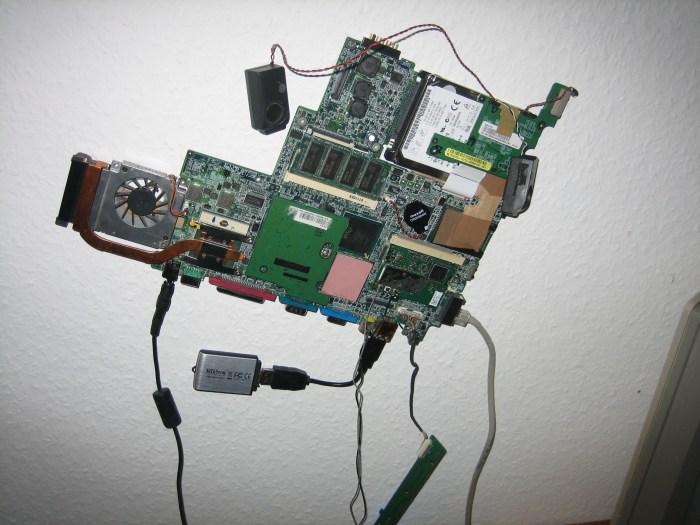
Hardware upgrade services play a crucial role in maintaining and enhancing the performance of your technology, whether for personal use or business needs. As systems age, they often struggle to keep up with increasing demands, making upgrades not just a choice but a necessity for optimal efficiency.
With a variety of options available, understanding the specifics of hardware upgrades can empower consumers and businesses alike to make informed decisions. From improved speed to extended lifespan, the right upgrades can significantly enhance your system’s capabilities.
Hardware Upgrade Services

Upgrading hardware is a crucial aspect for both consumers and businesses looking to enhance their technological capabilities. Whether it’s improving performance, extending the lifespan of devices, or adapting to new software demands, hardware upgrades play a significant role in maintaining efficiency in today’s fast-paced digital landscape.Different types of hardware upgrade services cater to a variety of needs. These services can range from replacing components within existing systems to complete overhauls of hardware infrastructure.
Consumers often seek upgrades for personal computers, laptops, and accessories, while businesses may focus on servers, networking equipment, and workstations.
Types of Hardware Upgrade Services
Understanding the various hardware upgrade services available can aid in selecting the right solution for your needs. Below are common types of upgrade services:
- Component Replacement: This service includes replacing or upgrading specific parts of a device, such as RAM, storage drives (HDD or SSD), or graphics cards. This upgrade can significantly enhance performance without the need for a complete system overhaul.
- System Optimization: This involves fine-tuning existing hardware settings and configurations to improve overall system performance. It may include updates to drivers, BIOS settings, and system cooling enhancements.
- Networking Upgrades: For businesses, upgrading networking hardware like routers, switches, and firewalls is vital for improving connectivity and security. Enhanced networking capabilities can support increased data flow and better network management.
- Custom Builds: Some consumers and businesses opt for custom-built systems tailored to specific needs, such as gaming setups or high-performance workstations. These services often include selecting and assembling the best components for optimal performance.
The benefits of hardware upgrades extend beyond mere performance improvements. An upgrade can significantly extend the lifespan of your equipment. Outdated hardware can become a bottleneck, slowing down processes and reducing productivity. By upgrading, users can experience faster load times, improved multitasking capabilities, and enhanced graphical performance.
Benefits of Hardware Upgrades
The advantages of opting for hardware upgrades are multifaceted, impacting both users and overall system longevity. Here are key benefits to consider:
- Enhanced Performance: Upgrades typically result in faster processing speeds, smoother operation of applications, and improved graphics rendering, which are critical for both gaming and professional software.
- Increased Lifespan: Regular upgrades can help delay the need for complete system replacements, allowing users to maximize their investment in technology.
- Cost-Effectiveness: Upgrading specific components can be more affordable than purchasing a new system. For instance, adding RAM or an SSD can provide significant performance boosts without the costs associated with new devices.
- Compatibility with New Software: As software evolves, it often requires more powerful hardware to run effectively. Upgrading hardware ensures compatibility with the latest applications and operating systems.
Choosing the right hardware upgrade service provider is crucial for achieving desired results. Here’s a step-by-step guide to assist in selecting a suitable provider:
Choosing Hardware Upgrade Service Provider
Selecting the right service provider requires careful consideration. Follow these steps to ensure you make an informed decision:
- Research Providers: Look for companies with a solid reputation, positive customer reviews, and a history of successful upgrades. Online forums, tech blogs, and social media can be valuable resources for gathering information.
- Assess Expertise: Ensure the provider has certified technicians or experienced professionals who are knowledgeable about the latest hardware and upgrade techniques.
- Request Quotes: Obtain quotes from multiple providers to compare pricing, service offerings, and warranty options. This will help in evaluating cost versus benefits.
- Check for Support Services: A reputable provider should offer post-upgrade support and warranty services to address any potential issues that may arise after the upgrade.
“Regular hardware upgrades can be the key to future-proofing your technology investments.”
Related Technology Services
The integration of web hosting and domain names with hardware upgrade services plays a crucial role in enhancing the overall performance and accessibility of online services. As technology continues to evolve, the demand for streamlined solutions becomes increasingly apparent. This synergy not only simplifies user experiences but also optimizes server performance, leading to improved website speed and reliability.
Integration of Web Hosting and Domain Names
By combining hardware upgrade services with web hosting and domain name management, businesses can ensure that their websites operate at peak efficiency. Upgrading hardware components such as servers and storage systems directly affects how data is handled and delivered. For instance, using faster processors and SSDs can significantly reduce loading times, enhancing user experience and search engine rankings. Additionally, reliable domain name management ensures that websites are accessible to customers without interruption.
Essential points to consider regarding this integration include:
- Increased reliability: Enhanced hardware leads to fewer outages and better uptime.
- Improved performance: Upgraded systems can handle more traffic, allowing for scalability.
- Better security: Modern hardware often comes with advanced security features to protect sensitive data.
Enhancement of Web Design and Development Through Hardware Upgrades
Effective hardware upgrades contribute significantly to the web design and development process. When developers have access to powerful hardware, they can utilize advanced design tools and frameworks without lag or performance issues. This directly impacts the creativity and efficiency of the design process, enabling teams to deliver more polished and innovative solutions.The following aspects highlight the importance of hardware upgrades in web design:
- Faster rendering times: High-performance graphics cards facilitate quicker rendering of complex designs.
- Improved testing environments: Upgraded hardware allows for the creation of comprehensive testing setups that mimic real-world conditions.
- Enhanced collaboration: Robust systems enable seamless file sharing and communication among team members, streamlining project workflows.
Monetization Strategies for Hardware Upgrade Services
Offering hardware upgrade services can be a lucrative venture when paired with other tech offerings. The market is ripe for professionals who can provide comprehensive solutions, as many businesses seek to enhance their capabilities without overhauling their entire infrastructure.Here are effective methods for monetizing hardware upgrade services:
- Bundling services: Create packages that include hardware upgrades alongside maintenance and support services, providing a one-stop solution for clients.
- Consultation services: Offer expert advice on the best hardware choices tailored to a client’s specific needs, allowing for personalized service.
- Subscription models: Establish ongoing support agreements where clients pay a monthly fee for regular upgrades and maintenance, ensuring steady revenue.
By integrating hardware upgrades with web services, businesses can achieve greater efficiency, security, and user satisfaction, ultimately leading to increased profitability.
Hardware and Electronics
Upgrading hardware components is essential for maintaining optimal performance in electronic devices. Various parts play a significant role in how well a system operates, and understanding which components typically require upgrades can enhance both efficiency and user experience. This discussion delves into the pivotal hardware elements that benefit from upgrades, the interplay between repair services and hardware enhancements, and a comparison of electronics that gain from these upgrades.
Key Components Requiring Upgrades
Several hardware components are essential for the overall functionality of electronic devices, and upgrading them can lead to substantial improvements in performance. The following components are often considered for upgrades:
- Memory (RAM): Upgrading RAM can significantly enhance multitasking capabilities and application performance. For instance, moving from 8GB to 16GB RAM can reduce loading times and improve efficiency in resource-intensive applications like video editing software.
- Storage Drives (HDD to SSD): Transitioning from a traditional hard drive (HDD) to a solid-state drive (SSD) can yield considerable speed improvements. SSDs offer faster boot times and quicker file access, often reducing boot time from minutes to seconds.
- Graphics Card (GPU): Upgrading the graphics card is crucial for gamers and graphic designers. A new GPU can increase frame rates significantly, enhancing the overall visual experience and enabling more complex rendering tasks.
- Processor (CPU): Upgrading the CPU can have a profound impact on system performance, especially in processing-intensive tasks such as data analysis or 3D rendering. A newer, faster processor can result in quicker computation times and improved overall responsiveness.
Relationship Between Computer Repair and Consulting Services and Hardware Upgrades
Computer repair services are often intertwined with hardware upgrades. When devices encounter issues, such as slow performance or frequent crashes, a thorough diagnosis frequently reveals that outdated hardware is a contributing factor. Repair technicians not only fix existing problems but also provide consulting services to recommend suitable upgrades. This relationship plays a critical role in maximizing the lifespan and efficiency of electronic devices.
For example, a repair technician may identify that an aging graphics card is responsible for poor gaming performance. By suggesting an upgrade, the technician helps the client avoid further issues and enhances their overall experience.
Comparison of Electronics Benefiting from Hardware Upgrades
The impact of hardware upgrades varies across different types of electronics. Below is a comparison table showcasing various electronics, their upgrade potential, associated performance improvements, and estimated costs.
| Electronics | Upgrade Type | Performance Improvement | Estimated Cost |
|---|---|---|---|
| Laptops | RAM and SSD | Improved speed and multitasking | $100 – $400 |
| Desktop PCs | CPU and GPU | Enhanced processing power and graphics | $200 – $800 |
| Gaming Consoles | Storage Upgrades | Increased storage capacity and reduced load times | $150 – $300 |
| Smartphones | Battery Replacement | Extended usage time | $50 – $150 |
“Upgrading hardware not only improves device performance but also extends its lifespan, offering better value over time.”
Final Summary
In conclusion, investing in hardware upgrade services can lead to remarkable improvements in your system’s performance, offering both immediate and long-term benefits. By selecting the right service provider and understanding the components that need attention, you can ensure your technology continues to meet your needs effectively.
FAQ Summary
What are hardware upgrade services?
Hardware upgrade services involve enhancing existing computer components to improve performance and extend the life of the system.
How do I know if I need a hardware upgrade?
If your system is running slower than usual, struggling with modern applications, or frequently crashing, it may be time for an upgrade.
Can hardware upgrades be done on all computers?
Most computers can benefit from upgrades, but compatibility depends on the specific components and the system’s architecture.
Are hardware upgrades worth the investment?
Yes, they can significantly improve performance and prolong the lifespan of your system, often providing better value than purchasing a new device.
How can I choose the right hardware upgrade service provider?
Look for providers with good reviews, experience in the industry, and clear communication regarding the services they offer.