The Role of Technology in Shaping the Modern World

Technology has become an essential part of everyday life, transforming how people work, communicate, learn, and entertain themselves. From smartphones and cloud computing to artificial intelligence and the Internet of Things (IoT), modern technology continues to reshape industries and redefine human potential. As digital transformation accelerates, understanding the impact of technology is more important than ever.

Technology and Daily Life

In today’s digital age, technology simplifies daily tasks and improves efficiency. Mobile applications allow users to manage finances, order food, book transportation, and communicate instantly from anywhere in the world. Smart devices such as wearable fitness trackers and home automation systems enhance convenience while promoting healthier lifestyles. These advancements show how deeply technology is integrated into modern living.

The Impact of Technology on Business

Technology plays a critical role in business growth and innovation. Cloud computing enables companies to store data securely, reduce operational costs, and scale quickly. Automation and artificial intelligence help businesses improve productivity by streamlining repetitive tasks and analyzing large volumes of data. E-commerce platforms and digital marketing tools allow organizations to reach global audiences, making technology a key driver of economic growth.

Artificial Intelligence and Innovation

Artificial intelligence (AI) is one of the most influential technological advancements of the 21st century. AI-powered systems are used in healthcare to diagnose diseases, in finance to detect fraud, and in customer service through chatbots and virtual assistants. Machine learning algorithms continuously improve performance by analyzing data patterns, making AI a cornerstone of future innovation.

Technology in Education

Education has been revolutionized by technology. Online learning platforms, virtual classrooms, and digital resources provide access to knowledge regardless of location. Students can learn at their own pace using interactive tools, videos, and simulations. Technology also enables educators to personalize learning experiences, improving engagement and outcomes.

Challenges and Ethical Considerations

Despite its benefits, technology also presents challenges. Cybersecurity threats, data privacy concerns, and digital inequality remain major issues. As technology advances, ethical questions around artificial intelligence, surveillance, and automation continue to grow. Addressing these challenges requires responsible innovation, strong regulations, and digital literacy.

The Future of Technology

The future of technology promises even greater advancements. Emerging technologies such as blockchain, quantum computing, and augmented reality are expected to transform industries further. As innovation continues, technology will play a vital role in solving global challenges, from climate change to healthcare accessibility.

Conclusion

Technology is a powerful force shaping the modern world. While it offers immense opportunities for growth and innovation, it also requires careful management and ethical responsibility. By embracing technology thoughtfully, society can harness its full potential and build a smarter, more connected future.

Multi-device Charging Stations For Modern Needs

10 Best Apple Charging Stations for Multiple Devices: 3-in-1 Charging ...

Multi-device charging stations have become a crucial part of our tech-savvy lives, seamlessly integrating into both home and office environments. These stations cater to a variety of devices, from smartphones to tablets and laptops, ensuring that our gadgets are always powered up and ready for use.

With the rise in the number of devices we rely on daily, the convenience of charging multiple gadgets simultaneously cannot be overstated. Beyond just functionality, these stations offer sleek designs and advanced features that enhance user experience, making them an essential investment for anyone looking to stay organized and efficient in an increasingly digital world.

Overview of Multi-Device Charging Stations

10 Best Apple Charging Stations for Multiple Devices: 3-in-1 Charging ...

In today’s fast-paced, tech-driven world, multi-device charging stations have emerged as a necessity for both personal and professional settings. With the ubiquity of smartphones, tablets, laptops, and other gadgets, managing multiple charging needs efficiently is essential. Multi-device charging stations simplify this process by providing a centralized hub for powering various devices simultaneously, ensuring that users remain connected and productive.These charging stations are designed to accommodate a range of devices, making them versatile solutions for modern life.

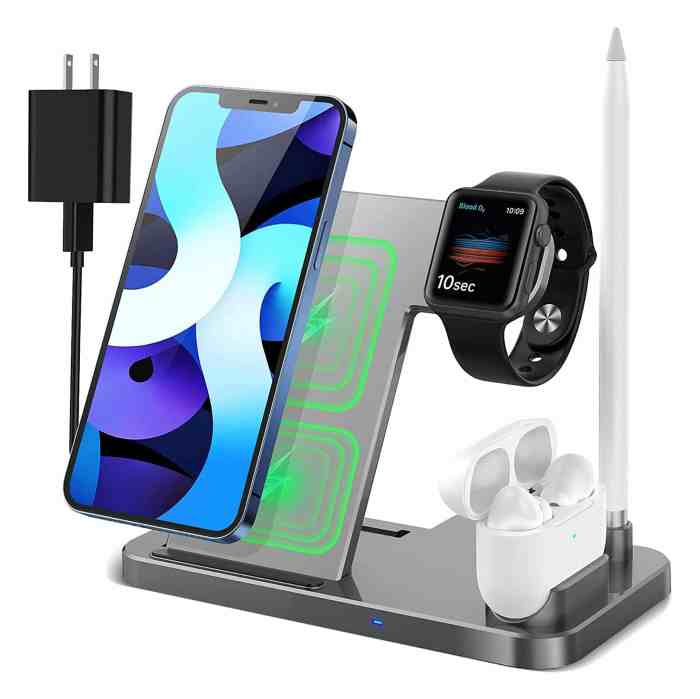
The types of devices that can typically be charged include smartphones, tablets, smartwatches, laptops, and even wireless earbuds. Many stations feature USB-A and USB-C ports, enabling compatibility with a wide array of gadgets, while some may also include Qi wireless charging pads for added convenience.

Benefits of Using Multi-Device Charging Stations in Home and Office Settings

Utilizing multi-device charging stations in both home and office environments brings several advantages that enhance efficiency and organization. Their ability to charge multiple devices at once minimizes clutter and simplifies the charging process. Below are some key benefits that highlight the importance of these stations:

  • Space-Saving Design: Multi-device charging stations often have compact designs that conserve valuable space on desks and countertops, streamlining the environment.
  • Reduced Cable Clutter: By consolidating multiple chargers into one station, users can declutter their spaces, leading to a more organized and aesthetically pleasing setup.
  • Time Efficiency: Charging several devices at once allows users to save time, especially in busy households or fast-paced offices where every minute counts.
  • Enhanced Device Compatibility: These stations usually support a wide range of devices, ensuring that various family members or team members can charge their gadgets without compatibility issues.
  • Smart Charging Capabilities: Many charging stations come equipped with smart technology that optimizes charging speed and prevents overcharging, thereby prolonging the lifespan of devices.

The integration of multi-device charging stations into daily life not only offers practical benefits but also contributes to a more efficient and organized lifestyle, making them indispensable in both personal and professional contexts.

Technological Features of Multi-Device Charging Stations

Modern multi-device charging stations represent a synergy of cutting-edge technology and user-centric design. These stations are engineered to accommodate the diverse charging needs of contemporary electronic devices, providing convenience and efficiency. The following sections will explore the key technological features of these charging stations, their compatibility with various charging protocols, and the safety measures in place to ensure safe charging.

Key Technological Features

Multi-device charging stations boast a range of advanced features that enhance user experience and functionality. Some of the standout technological aspects include:

  • Smart Charging Technology: This feature automatically detects the connected devices and adjusts the power output for optimal charging speed and safety. It is designed to maximize efficiency, reducing charging time without risking damage to the devices.
  • Multiple Charging Ports: These stations come equipped with various ports, including USB-A, USB-C, and wireless charging pads, allowing users to charge multiple devices simultaneously, from smartphones and tablets to laptops and wearables.
  • Fast Charging Capabilities: Many modern charging stations support fast charging protocols like Power Delivery (PD) and Quick Charge, which significantly reduce charging times for compatible devices.
  • Wireless Charging Support: With the rise of Qi technology, many charging stations now offer wireless charging pads, allowing users to charge their devices without the hassle of cables.

Charging Protocols

The compatibility of charging protocols is crucial for ensuring seamless operations among different devices. Commonly used protocols include USB-C and Qi wireless charging:

  • USB-C: This universal connector supports high-speed data transfer and power delivery up to 100W, making it suitable for charging laptops and other high-demand devices. USB-C ports are increasingly standard across various gadgets, which enhances compatibility.
  • Qi Wireless Charging: This standard allows devices equipped with wireless charging capabilities to charge by simply placing them on a compatible pad. Qi charging is popular due to its convenience, though it typically offers slower charging speeds compared to wired connections.

In terms of compatibility, USB-C is widely adopted, ensuring that most modern devices can connect without issues. Qi, while popular in smartphones and accessories, requires compatibility with each specific device to function correctly.

Safety Features

Safety is a paramount concern when it comes to charging devices, and modern multi-device charging stations incorporate several protective features:

  • Overvoltage Protection: This feature safeguards devices from power surges that could potentially damage their internal components. The charging station automatically limits the voltage output to safe levels.
  • Overcurrent Protection: Similar to overvoltage protection, this feature prevents excessive current flow, which can lead to overheating and potential fire hazards.
  • Short Circuit Protection: In the event of a short circuit, this system immediately cuts off power to prevent damage to the devices and the charging station itself.
  • Temperature Control: Many charging stations include temperature sensors that monitor device heat levels, preventing overheating and ensuring safe operation during charging.

These safety features collectively create a more secure charging environment, allowing users to charge multiple devices without fear of damage or failure.

Market Trends and Future of Multi-Device Charging Stations

The multi-device charging station industry is evolving rapidly, influenced by advancements in technology and changing consumer behaviors. As mobile computing becomes more integral to daily life, the demand for efficient and versatile charging solutions is increasing. This section delves into current market trends, the impact of mobile computing on design, and potential innovations that may shape the future of charging stations.

Current Market Trends in Multi-Device Charging Stations

The market for multi-device charging stations is witnessing significant growth, driven by several trends that reflect the changing landscape of consumer technology. Increasing reliance on smartphones, tablets, and laptops has led to a surge in demand for charging solutions that accommodate multiple devices simultaneously. Key trends include:

  • Integration of wireless charging technology: Many charging stations are now equipped with Qi wireless charging pads, allowing for convenience and eliminating the need for cables.
  • Smart features: Advanced charging stations are incorporating smart technology, enabling users to monitor charging status through apps and to optimize charging speeds based on device requirements.
  • Design and aesthetics: Modern consumers favor sleek, aesthetic designs that complement their living and working spaces. Manufacturers are responding with visually appealing charging solutions that blend seamlessly into various environments.
  • Eco-friendly materials: Sustainability is becoming a priority, with manufacturers increasingly using recyclable materials and energy-efficient technologies in production.

Impact of Mobile Computing on Charging Station Design

As mobile computing continues to expand, the design of charging stations must adapt to meet evolving user needs. This shift emphasizes functionality, accessibility, and user experience. Key considerations include:

  • Compact and portable designs: With the rise of remote work and mobile lifestyles, consumers prefer lightweight and easily transportable charging solutions compatible with their on-the-go routines.
  • Multi-device capabilities: Charging stations are being developed to support a variety of devices simultaneously, addressing the need for convenience in a multi-gadget world.
  • Enhanced power output: Fast charging capabilities are becoming a standard expectation, as users seek quick and efficient ways to power their devices, particularly in high-demand scenarios.

Potential Innovations in Multi-Device Charging Technology

Looking ahead, the multi-device charging station industry is poised for further innovation. The following advancements are anticipated to reshape the market:

  • Solar-powered charging stations: As green technology gains traction, solar panels integrated into charging stations could provide an eco-friendly power source, especially in outdoor settings.
  • Integration with smart home systems: Future charging stations may connect with smart home ecosystems, allowing for automated scheduling and energy management based on user habits and preferences.
  • Modular designs: Customizable charging stations that allow users to add or remove charging ports based on their needs could provide flexibility and cater to diverse user requirements.
  • Advanced safety features: Innovations in safety, such as overheating protection and surge protection technology, will ensure that devices are charged securely and efficiently.

Wrap-Up

Multi-device charging stations

In conclusion, multi-device charging stations not only provide practical solutions to our modern charging dilemmas but also represent a shift towards more efficient technology management. As we embrace the future, these charging stations will continue to evolve, enriching our daily lives and keeping us connected wherever we go.

FAQ Explained

What types of devices can be charged?

Multi-device charging stations can charge smartphones, tablets, laptops, smartwatches, and even wireless earbuds.

Are multi-device charging stations safe?

Yes, most modern stations come equipped with safety features like surge protection and temperature control to safeguard your devices.

Can I use a multi-device charging station with older devices?

Many multi-device chargers support various charging protocols, allowing compatibility with older devices, though charging speeds may vary.

Do I need special cables for charging?

While many devices can use standard cables, it’s best to check if your charging station requires specific types, like USB-C or micro USB.

Can these stations charge devices wirelessly?

Yes, many multi-device charging stations feature Qi wireless charging capabilities, allowing compatible devices to charge without cables.

Augmented Reality In Everyday Tech A Transformative Experience

Chapter 15: Technology and Innovations in Pop-up Retail Operations ...

Augmented reality in everyday tech is rapidly reshaping how we interact with the world around us. From enhancing our smartphones to revolutionizing gaming experiences, AR has become an integral part of our digital landscape.

This technology is not just about flashy visuals; it seamlessly integrates into practical applications like home automation, wearable devices, and digital marketing, offering users a unique blend of convenience and engagement.

Integration of Augmented Reality in Everyday Technology

Augmented Reality (AR) Archive | OERinfo – Informationsstelle OER

Augmented reality (AR) is transforming the way we interact with our surroundings, bringing digital elements into our physical world through everyday technology. From smartphones and tablets to wearable devices, AR enhances user experiences and provides practical applications that simplify daily tasks and enrich our environment. By embedding virtual objects into our reality, AR is shaping a new era of tech that is intuitive and engaging.

Application of Augmented Reality in Smartphones and Tablets

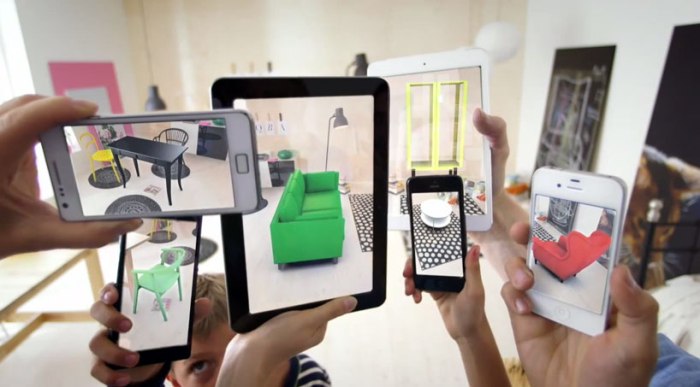
Smartphones and tablets have become the primary platforms for augmented reality applications. With built-in cameras, powerful processors, and advanced sensors, these devices can seamlessly blend digital content with the real world. AR apps can be used for various purposes, including gaming, education, navigation, and shopping. For instance, popular games like Pokémon GO enable users to capture virtual creatures in their actual surroundings, encouraging outdoor exploration.Moreover, AR features in apps like IKEA Place allow users to visualize furniture in their homes before making a purchase, providing a more informed shopping experience.

The integration of AR in mobile devices not only enhances entertainment but also adds value to practical applications, making daily tasks smoother and more enjoyable.

Augmented Reality in Wearable Devices

Wearable devices such as smart glasses and fitness trackers are pivotal in extending the capabilities of augmented reality. Smart glasses, like Google Glass and Microsoft HoloLens, overlay information directly onto the user’s field of view. This technology can display notifications, navigation directions, or even complex data visualizations, allowing users to access vital information hands-free. Fitness trackers, on the other hand, employ AR to gamify exercise routines.

For example, some devices utilize AR to create interactive environments where users can complete workouts in simulated landscapes, making fitness more engaging.

Role of Augmented Reality in Home Automation and Smart Home Devices

Augmented reality also plays a significant role in the realm of home automation and smart devices. By using AR applications, users can visualize how different smart devices integrate within their home environment. This can include seeing how smart lighting would change the ambiance of a room or how various security cameras would fit into the existing architecture without the need for physical installation.Furthermore, AR offers interactive interfaces to control smart home devices.

For instance, a user might point their smartphone at a smart thermostat to adjust the temperature, or use an AR app to manage home security systems more intuitively. This not only streamlines the user experience but also enhances the overall efficiency of managing home automation systems.

Augmented Reality in Digital Marketing and E-commerce

Augmented Reality (AR) is revolutionizing the landscape of digital marketing and e-commerce by offering immersive experiences that engage consumers in new and innovative ways. This technology allows customers to visualize products in their own environments before making a purchase, significantly enhancing the online shopping experience.AR not only improves product visualization but also helps brands stand out in a crowded market.

By integrating AR into their marketing strategies, businesses can create interactive experiences that capture consumer attention and foster stronger connections between the brand and the customer.

Examples of AR in Product Visualization

Numerous companies have successfully implemented AR technology to enhance product visualization, allowing consumers to interact with products before committing to a purchase. Here are some notable examples:

  • IKEA Place: This app allows users to place life-sized 3D models of IKEA furniture in their homes using their smartphones. Customers can see how a piece fits into their space, which aids in decision-making.
  • Sephora Virtual Artist: Sephora’s app enables users to try on makeup virtually using their phone cameras. This feature encourages customers to experiment with different looks without the need for physical samples.
  • Adidas’s AR Experience: Adidas has integrated AR in their app, letting customers scan shoes to see additional information and styling options, enriching the shopping experience and assisting in product choices.

Strategies for Integrating AR into Online Shopping Experiences

Integrating AR into online shopping involves a few strategic approaches that can enhance user experience and ultimately drive sales. Here are some effective strategies:

  • Interactive Product Displays: Brands can create AR experiences that allow consumers to view products from all angles and in various settings, leading to more informed purchase decisions.
  • Personalization: Using AR to create personalized shopping experiences, such as recommending products based on user preferences or previous purchases, can help increase customer satisfaction and loyalty.
  • Social Sharing Features: Incorporating social media sharing options within AR experiences encourages users to share their virtual experiences with friends, further promoting the brand.

Impact of AR on Consumer Engagement and Advertising Effectiveness

The integration of AR into marketing and e-commerce strategies has led to significant improvements in consumer engagement and advertising effectiveness. Brands leveraging AR have reported higher levels of interaction and conversion rates.

“AR can increase conversion rates up to 250% by allowing customers to visualize products in their environments.”

The impact of AR can be understood through various metrics, including:

  • Increased Engagement: AR experiences captivate users, often leading to longer interaction times with products and the brand.
  • Higher Conversion Rates: Studies show that consumers are more likely to make a purchase when they can visualize the product in a real-world context, significantly reducing return rates.
  • Enhanced Brand Recall: The memorable nature of AR experiences helps consumers remember brands and products, encouraging future purchases.

Augmented Reality in Gaming and Entertainment

Chapter 15: Technology and Innovations in Pop-up Retail Operations ...

Augmented Reality (AR) has made a significant impact on gaming and entertainment, reshaping how we interact with digital environments. By blending virtual elements with the real world, AR creates immersive experiences that engage players in ways that traditional gaming cannot. This technology has been embraced by both mobile and console gaming, leading to innovative gameplay and storytelling.The integration of AR in gaming has transformed the landscape, allowing players to experience interactive elements that respond to their physical surroundings.

Popular mobile games, such as Pokémon GO and Harry Potter: Wizards Unite, have utilized AR to enhance gameplay by encouraging players to explore their communities and interact with real-world landmarks. Additionally, console gaming is beginning to incorporate AR through systems like the Microsoft HoloLens and PlayStation VR, creating an engaging experience that blurs the line between the game and reality.

Popular Mobile Games and Console Gaming with AR

Numerous mobile games have successfully harnessed augmented reality technology to create unique gaming experiences. Below is a list of notable titles that have integrated AR:

  • Pokémon GO: Players capture virtual Pokémon in real-world locations, leading to increased social interaction and exploration.
  • Harry Potter: Wizards Unite: This game allows players to cast spells and interact with magical creatures in their local environments.
  • Ingress: An AR game that encourages players to explore their surroundings and capture portals based on real-world locations.
  • Jurassic World Alive: Players can collect and interact with dinosaurs in their vicinity, enhancing the thrill of the Jurassic park experience.
  • Ghostbusters World: Participants can hunt down ghosts and engage with iconic characters in their actual surroundings.

The rise of augmented reality in console gaming, while still developing, has already shown potential. Platforms like Microsoft’s HoloLens offer AR experiences that overlay digital content onto real-world objects. For instance, games like “Minecraft Earth” enable players to build structures that appear in their actual environment, merging creativity with physical space.

Immersive Entertainment Applications Utilizing AR

Aside from gaming, augmented reality has found its way into various entertainment applications, providing users with astonishing new experiences. Here’s a look at some notable applications:

  • AR Concerts: Virtual concerts are held where attendees experience live performances enhanced by AR visuals, bringing an added layer of engagement.
  • Interactive Theater: Productions that use AR to create dynamic storytelling, immersing the audience in the performance.
  • Virtual Reality (VR) and AR Mix: Experiences that combine VR headsets with AR elements to create interactive environments, like in “The Walking Dead: Onslaught.”
  • AR Art Installations: Artists use AR to create interactive art pieces that viewers can engage with through their smartphones or AR glasses.
  • AR-based Fitness Apps: Applications that gamify workouts by incorporating AR elements, making exercise more entertaining and engaging.

User Experience Comparison: Traditional Gaming vs. Augmented Reality Gaming

The user experience in traditional gaming significantly differs from that in augmented reality gaming. Traditional gaming typically relies on screens to deliver immersive storytelling and gameplay. Players are often confined to their living rooms or dedicated gaming spaces. In contrast, AR gaming encourages movement and exploration in the real world, enhancing physical engagement and social interaction.AR gaming offers a more interactive experience by blending digital elements with the physical environment.

Users can interact with virtual objects as if they were real, leading to a deeper emotional connection to the game. For example, in Pokémon GO, players must physically walk to catch Pokémon, fostering a sense of adventure and community among players.

“The fusion of virtual elements with reality in AR games provides an unparalleled level of immersion that traditional gaming cannot replicate.”

As AR technology continues to evolve, players can expect even more groundbreaking experiences that redefine the way we perceive gaming and entertainment.

Closing Notes

In summary, augmented reality in everyday tech is more than just a trend; it’s a dynamic force that enhances our daily lives in countless ways. As we move forward, the potential for AR to transform various sectors continues to grow, promising even more exciting developments on the horizon.

Helpful Answers

What is augmented reality?

Augmented reality is a technology that overlays digital information, such as images and sounds, onto the real world, enhancing the user’s perception of their environment.

How is AR used in smartphones?

AR is used in smartphones to create interactive experiences, such as navigation systems, gaming applications, and virtual try-ons for shopping.

Can AR improve online shopping?

Yes, AR enhances online shopping by allowing customers to visualize products in their own space, leading to better decision-making and increased satisfaction.

Is augmented reality only for gaming?

No, while gaming is a popular application, AR is also used in various fields such as education, healthcare, and real estate.

What are the future trends for AR in everyday tech?

Future trends include more immersive experiences, greater integration with AI, and widespread use in various industries for training and customer engagement.
Edge Computing Hardware Transforming Data Processing

Edge computing hardware is at the forefront of a technological revolution, redefining how data is processed and analyzed. By bringing computation closer to the data source, it minimizes latency and enhances performance, making it essential for applications that demand real-time analysis. In a world increasingly reliant on the Internet of Things (IoT), understanding the role and significance of edge computing devices is more important than ever.

From smart healthcare solutions to efficient manufacturing processes, edge computing hardware plays a pivotal role across various sectors. It not only supports the growing volume of data generated by IoT devices but also ensures that this data is processed quickly and efficiently, paving the way for smarter decision-making and improved operational efficiency.

Edge Computing Hardware Overview

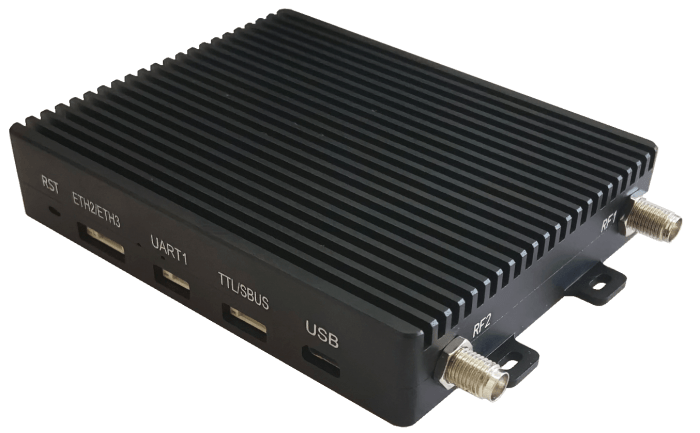
Edge computing hardware represents a paradigm shift in the way data is processed and managed. As the demand for real-time data processing grows, edge computing has emerged as a solution to minimize latency and enhance performance by bringing computational power closer to the data source. This shift is critical in enabling the Internet of Things (IoT), smart cities, and autonomous systems to function effectively and efficiently, making edge computing hardware an indispensable part of today’s technological landscape.Various types of edge computing devices play essential roles in the ecosystem of data processing.

These devices, ranging from gateways and routers to specialized servers and sensors, are designed to handle specific tasks at the edge of networks, reducing the reliance on centralized cloud infrastructure. Each device type contributes uniquely to performance optimization, data management, and operational efficiency.

Types of Edge Computing Devices

Edge computing encompasses a wide variety of devices, each serving distinct functions in data processing and analysis. The following list Artikels the primary edge computing hardware types:

  • Gateways: These devices act as intermediaries between edge devices and cloud servers, enabling data aggregation, protocol translation, and filtering. They help reduce the volume of data transmitted to the cloud, enhancing efficiency.
  • Edge Servers: These servers provide significant computational power closer to data sources, allowing for real-time analytics and processing. They are crucial for applications requiring immediate responses, such as video surveillance and industrial automation.
  • IoT Devices: Commonly equipped with sensors and actuators, IoT devices collect data from their environment and perform basic processing. They contribute to the edge computing ecosystem by enabling diverse applications, such as smart home devices and wearables.
  • Micro Data Centers: Compact and modular, micro data centers house the necessary hardware for data processing and storage at the edge. They are particularly effective in locations where space is limited, such as remote areas or urban environments.
  • Field Programmable Gate Arrays (FPGAs): These programmable hardware devices can be configured for specific tasks, providing flexibility and high performance. They are increasingly used in edge applications that require rapid processing and adaptability.

The efficiency of edge computing hardware can be significantly contrasted with traditional cloud computing setups. Traditional cloud computing relies on central data centers, which can introduce latency due to the distance between data sources and processing centers. In contrast, edge computing hardware minimizes this latency by processing data closer to its source.

“Edge computing can reduce the latency to milliseconds, which is vital for applications like autonomous vehicles or real-time monitoring systems.”

Additionally, edge computing hardware often leads to reduced bandwidth costs and improved data security. By processing data locally, sensitive information can remain on-site rather than being transmitted to and stored in the cloud, decreasing the risk of data breaches. This efficiency and security make edge computing a compelling choice for businesses looking to innovate and streamline their operations.

Integration of Edge Computing in Various Sectors

The integration of edge computing hardware is revolutionizing various sectors, offering low-latency solutions that enable real-time data processing. As more devices become interconnected, the ability to analyze data at the edge rather than relying solely on centralized cloud systems is becoming increasingly vital. This shift enhances operational efficiency and supports the growing demand for instantaneous data insights across various industries.

Applications in Healthcare, Manufacturing, and Transportation

Edge computing plays a pivotal role in optimizing operations in healthcare, manufacturing, and transportation. Specifically, its applications in these sectors include:

  • Healthcare: Edge devices facilitate real-time monitoring of patients through wearable technology, allowing healthcare providers to track vital signs and respond promptly to emergencies. For instance, remote patient monitoring systems utilize edge computing to analyze data locally, ensuring that critical health metrics are processed immediately without latency.
  • Manufacturing: In smart factories, edge computing enhances automation by enabling real-time data collection from machinery. This allows for predictive maintenance, reducing downtime. For example, a manufacturing plant might leverage edge devices to predict equipment failures before they occur, thus saving costs and improving productivity.
  • Transportation: Edge computing supports the development of autonomous vehicles by processing data from sensors in real-time. This capability is crucial for navigation and obstacle detection. Companies like Tesla utilize edge computing in their vehicles to make instantaneous decisions based on a multitude of sensor inputs, enhancing safety and efficiency.

Role of Edge Devices in IoT Ecosystems and Data Analytics

Edge devices are essential in enhancing Internet of Things (IoT) ecosystems by significantly improving data analytics. The primary advantages include:

  • Reduced Latency: By processing data closer to the source, edge devices decrease the time taken for data to travel to the cloud, resulting in faster decision-making processes.
  • Bandwidth Efficiency: Edge computing diminishes the amount of data that needs to be transmitted to the cloud, conserving bandwidth and reducing operational costs.
  • Enhanced Security: Keeping data processing at the edge minimizes the exposure of sensitive information, as less data is transmitted over the internet.

Case Studies in Successful Edge Computing Implementation

Several businesses have successfully integrated edge computing into their operations, leading to significant improvements:

  • General Electric (GE): In its manufacturing units, GE implemented edge computing solutions to monitor machinery performance in real-time. This allowed them to reduce operational inefficiencies and increase overall productivity through predictive analytics.
  • Siemens: Siemens adopted edge computing in its smart factory initiatives, enabling real-time quality control and inventory management. The integration led to a 30% increase in manufacturing efficiency, showcasing the tangible benefits of edge solutions.
  • Walmart: The retail giant utilizes edge computing to analyze customer data and manage inventory levels more effectively. This implementation has streamlined their supply chain processes, significantly reducing latency in stock replenishment.

Future Trends and Innovations in Edge Computing Hardware

Edge Computing Hardware – for Telecommunications – Telecomworld101.com

The landscape of edge computing hardware is evolving rapidly, driven by technological advancements and the increasing demand for efficient data processing. As industries seek to leverage real-time data at the edge, several key trends are emerging that promise to shape the future of this sector. This exploration will delve into the innovations on the horizon and the profound effects of artificial intelligence (AI) and machine learning (ML) on edge computing devices.

Emerging Technologies in Edge Computing Hardware

Several technologies are on the brink of revolutionizing edge computing hardware. The integration of 5G technology is paramount, providing higher speeds and lower latency, which are crucial for real-time applications. Additionally, advancements in microprocessor technology are leading to more powerful and energy-efficient devices, enabling complex computations to take place directly at the edge. Another exciting trend is the rise of specialized hardware designed for AI and ML tasks.

Custom chips and edge AI accelerators are becoming increasingly common, significantly enhancing the capability of edge devices to process large amounts of data quickly and efficiently.

Impact of Artificial Intelligence and Machine Learning

Artificial intelligence and machine learning are transforming edge computing by enabling devices to make intelligent decisions based on data processed locally. This shift not only reduces the need for constant communication with central servers but also enhances the speed and reliability of applications. Edge devices equipped with AI capabilities can perform tasks such as predictive maintenance, real-time analytics, and anomaly detection without relying heavily on cloud resources.

For instance, in smart manufacturing, AI-driven edge devices can monitor equipment conditions and predict failures before they occur, minimizing downtime and optimizing productivity.

Predicted Advancements in Edge Computing Hardware

As we look forward to the next decade, several advancements in edge computing hardware are anticipated. The table below illustrates these expected developments, highlighting key areas of progress:

Year Advancement Description
2025 Widespread 5G deployment Enhanced connectivity and reduced latency for edge devices across various sectors.
2026 AI-optimized chipsets Introduction of chips specifically designed for handling AI workloads at the edge.
2028 Increased energy efficiency Development of ultra-low-power devices that can operate sustainably in remote locations.
2030 IoT and edge integration Seamless integration of IoT devices with edge computing for real-time data processing and analysis.

The ongoing evolution in edge computing hardware is set to create new opportunities across various sectors while enhancing the capabilities of existing technologies. It is clear that the future is bright, driven by innovation and the relentless pursuit of efficiency.

Outcome Summary

What Is Edge Computing And Why It Is A New Need? - Idea Usher

In conclusion, edge computing hardware is set to revolutionize data management across multiple industries, bringing a host of benefits that traditional cloud computing cannot match. As technology continues to evolve, the integration of advanced capabilities like AI and machine learning will only enhance the impact of edge devices. Staying informed about these developments will be crucial for businesses looking to leverage the full potential of their data in an increasingly connected world.

General Inquiries

What is edge computing hardware?

Edge computing hardware refers to devices and systems that process data at the location where it is generated, reducing the need to send data to centralized cloud servers.

How does edge computing differ from cloud computing?

Edge computing processes data closer to the source, resulting in lower latency and faster response times, while cloud computing relies on centralized servers, which can introduce delays.

What industries benefit most from edge computing?

Industries like healthcare, manufacturing, transportation, and smart cities benefit significantly from edge computing due to its ability to enhance real-time data processing and analytics.

Can edge computing hardware work with existing cloud systems?

Yes, edge computing can complement existing cloud systems by processing data locally before sending relevant information to the cloud for further analysis, ensuring a more efficient workflow.

What future trends should we expect in edge computing hardware?

We can anticipate advancements in AI integration, increased device interoperability, and improved security measures as edge computing continues to evolve in response to industry demands.

Wireless Data Transmission Technology Reshaping Communication

Broadband Wireless Video And Data Transmission System

Wireless data transmission technology has revolutionized the way we connect and communicate in our increasingly digital world. By eliminating the need for physical connections, this technology offers unparalleled convenience and flexibility, allowing information to flow seamlessly across various devices and networks.

From Wi-Fi and Bluetooth to cellular networks, the landscape of wireless communication is vast and continually evolving. The applications and benefits of these technologies are felt across multiple sectors, making them integral to modern life and business operations.

Overview of Wireless Data Transmission Technology

Wireless data transmission technology allows the transfer of data without the need for physical connections, using electromagnetic waves. This technology has revolutionized communication by enabling devices to connect and share information seamlessly. With the rapid advancement of wireless technologies, the world has become increasingly interconnected, enhancing both personal and professional communication.The fundamental principles behind wireless data transmission involve the use of radio waves, microwaves, or infrared signals to transmit data between devices.

These signals are modulated to carry information, which can then be demodulated by the receiving device to retrieve the original data. The effectiveness of wireless communication depends on various factors, including frequency range, signal strength, and interference from obstacles.

Types of Wireless Data Transmission Technologies

Several wireless data transmission technologies are widely used today, each with its unique characteristics and applications. Understanding these technologies is essential for recognizing their roles in modern communication.

  • Wi-Fi: This technology allows high-speed internet access and local area networking. Wi-Fi operates primarily in the 2.4 GHz and 5 GHz frequency bands, enabling devices to connect to the internet without wires. It is commonly used in homes, offices, and public spaces, providing convenience and flexibility for users.
  • Bluetooth: Bluetooth technology is designed for short-range communication between devices, typically within a range of 10 meters. It is widely used for connecting peripherals such as headphones, keyboards, and smartwatches to smartphones and computers. Bluetooth is energy-efficient, making it ideal for battery-operated devices.
  • Cellular Networks: Cellular networks provide mobile communication services over large geographic areas. These networks operate through a system of base stations that communicate with mobile devices. They support voice calls, text messaging, and internet access, with various generations (2G, 3G, 4G, and now 5G) offering progressively faster data speeds and improved connectivity.

Applications and Benefits of Wireless Data Transmission

Wireless data transmission technologies play a critical role in various applications, enhancing communication and connectivity in numerous sectors.The benefits of wireless data transmission include:

Mobility

Users can move freely while staying connected, which is particularly advantageous in mobile computing and communications.

Convenience

Wireless networks eliminate the need for cumbersome cables, allowing for easy setup and flexibility in device placement.

Scalability

Expanding a wireless network is often easier and less costly than a wired network, enabling businesses to adapt to changing needs without significant infrastructure investments.

Cost-Effectiveness

Reducing the requirement for physical wiring can lead to lower installation and maintenance costs.In real-world applications, industries such as healthcare, education, and entertainment have embraced wireless data transmission. For example, telemedicine relies on wireless communication to connect patients with healthcare providers remotely, allowing for timely consultations and diagnostics. In education, wireless networks enable online learning platforms, providing students with access to resources and interactive content from anywhere.

“The future of communication lies in the seamless integration of wireless technologies that enhance connectivity and user experience.”

Impact of Wireless Data Transmission on Various Industries

Exploring Wireless Data Transmission on Film Sets: The Power of ...

Wireless data transmission technology has profoundly influenced numerous industries, enhancing efficiency, communication, and service delivery. The ability to transmit data without physical connections has opened up new avenues for innovation and growth. This transformation is particularly evident in sectors such as healthcare, education, and entertainment, where wireless technologies have redefined operational frameworks and user experiences.

Transformations in Healthcare, Education, and Entertainment

The integration of wireless data transmission into healthcare has led to significant advancements in patient monitoring and telemedicine. Wireless devices allow healthcare providers to monitor patients in real-time, improving response times and patient outcomes. For instance, wearable devices that track vital signs can alert healthcare professionals of any irregularities, ensuring timely intervention.In the education sector, wireless technology has fostered a more interactive and accessible learning environment.

Students can connect to educational resources and collaborate on projects from anywhere, promoting an inclusive learning experience. Institutions utilizing wireless networks can provide instant access to information, enhancing both teaching and learning processes.Entertainment has seen a radical shift with the advent of wireless transmission technologies. Streaming services leverage wireless data to deliver high-quality content instantly to users’ devices. This shift has not only changed how content is consumed but has also influenced production and distribution methods within the industry.

Role of Wireless Technology in Smart Cities and IoT Devices

Wireless data transmission is crucial for the development of smart cities, where connectivity and automation enhance urban living. Smart cities utilize a network of sensors and devices to manage resources efficiently, thus improving the quality of life for residents. The role of wireless technology in this domain includes:

  • Traffic management systems that optimize flow using real-time data.
  • Smart street lighting that adjusts based on pedestrian activity.
  • Environmental monitoring systems that track air quality and noise levels.

The Internet of Things (IoT) heavily relies on wireless data transmission to connect devices and facilitate communication between them. Examples include smart home devices, which allow users to control heating, lighting, and security systems remotely. The seamless interaction between these devices is made possible by wireless protocols, enabling a more integrated and efficient living environment.

Case Studies of Successful Implementation

Several case studies illustrate the successful application of wireless data transmission across different industries:

1. Healthcare

The Mayo Clinic implemented a wireless patient monitoring system that significantly reduced hospital readmission rates. By using wearable devices that communicate with healthcare providers, they can monitor patients remotely and provide timely care.

2. Education

The University of California, Irvine introduced a campus-wide wireless network that enables students to access learning materials and collaborate on projects from anywhere on campus. This initiative has improved engagement and academic performance.

3. Entertainment

Netflix utilizes advanced streaming technology that relies on wireless data transmission to deliver content to millions of users worldwide. Their infrastructure supports high-definition streaming with minimal buffering, transforming the way people consume media.

“Wireless data transmission is not just a technological advancement; it’s a catalyst for innovation across industries.”

Future Trends in Wireless Data Transmission Technology

As the digital landscape continues to evolve, the future of wireless data transmission technology is filled with exciting possibilities. Emerging technologies such as 5G and beyond are transforming how data is transmitted and consumed across various devices. This evolution promises not only enhanced speed and connectivity but also an expansive array of applications that could redefine industries globally. Understanding these trends is crucial for businesses and consumers alike as they prepare to navigate the next wave of technological advancements.

Emerging Technologies in Wireless Data Transmission

The rollout of 5G technology has set the stage for an unprecedented leap in wireless data transmission. This new generation of mobile networks is designed to deliver ultra-fast speeds, low latency, and enhanced capacity, enabling a plethora of new applications. In addition to 5G, several other technologies are emerging as significant players in this space, including:

  • Millimeter Wave (mmWave): Operating at higher frequencies, mmWave can deliver massive data rates, making it essential for applications requiring high bandwidth, such as augmented reality (AR) and virtual reality (VR).
  • Massive MIMO (Multiple Input, Multiple Output): This technology employs multiple antennas at both the transmitter and receiver ends, improving the capacity and efficiency of wireless networks.
  • Wi-Fi 6 and Wi-Fi 6E: These advancements in Wi-Fi technology provide faster speeds and better performance in congested areas, enhancing user experiences in homes and businesses.
  • Low Earth Orbit (LEO) Satellites: Companies like SpaceX are launching constellations of LEO satellites to provide global internet access, particularly in underserved areas.

Advantages and Challenges of New Wireless Technologies

While the advantages of new wireless data transmission methods are compelling, they also come with unique challenges. The key benefits and obstacles include:

  • Advantages:
    • Higher data rates and bandwidth capacity lead to faster download and upload speeds.
    • Lower latency enhances real-time applications, making technologies like autonomous vehicles and telemedicine more viable.
    • Increased connectivity enables the Internet of Things (IoT), allowing countless devices to communicate efficiently.
  • Challenges:
    • Infrastructure investment is necessary for widespread deployment, particularly in rural and underserved regions.
    • Interference and obstacles can affect signal quality, especially for higher frequency bands like mmWave.
    • Cybersecurity risks escalate as more devices become interconnected, necessitating robust security measures.

Roadmap for Future Developments in Wireless Data Transmission

To guide the future of wireless data transmission technology, a strategic roadmap can help identify potential innovations and breakthroughs. Key milestones to consider include:

Continued development of network infrastructure and regulation will be crucial for realizing the full potential of wireless technologies.

  • 2025-2030: Widespread adoption of 5G globally, with improvements in network efficiency and capacity through advanced technologies like massive MIMO.
  • 2030-2035: The emergence of 6G technologies, promising even higher speeds and capacities, potentially leveraging terahertz frequency bands.
  • 2035 and Beyond: Integration of AI and machine learning within wireless networks to optimize data transmission and enhance user experiences.
  • Innovative Applications: Expansion of applications in smart cities, autonomous systems, and immersive technologies, paving the way for new markets and industries.

Final Review

Broadband Wireless Video And Data Transmission System

As we look to the future, the potential of wireless data transmission technology remains boundless. Innovations like 5G and advancements in IoT promise to further enhance connectivity, making our environments smarter and more efficient. Embracing these changes will undoubtedly lead to a more interconnected world.

Essential FAQs

What is wireless data transmission technology?

It refers to the methods and technologies used to transmit data over distances without physical connections, utilizing radio waves or infrared signals.

How does Wi-Fi differ from Bluetooth?

Wi-Fi is designed for high-speed internet access over a wider range, while Bluetooth is meant for short-range communication between devices.

What industries benefit most from wireless data transmission?

Industries such as healthcare, education, and entertainment have seen significant transformations due to the adoption of wireless technologies.

What are the challenges of implementing wireless data transmission?

Challenges include security vulnerabilities, signal interference, and limitations in range and bandwidth.

How will 5G change wireless data transmission?

5G will provide faster speeds, lower latency, and greater capacity, enabling more devices to connect simultaneously and enhancing the performance of applications.