Wireless Data Transmission Technology Reshaping Communication

Broadband Wireless Video And Data Transmission System

Wireless data transmission technology has revolutionized the way we connect and communicate in our increasingly digital world. By eliminating the need for physical connections, this technology offers unparalleled convenience and flexibility, allowing information to flow seamlessly across various devices and networks.

From Wi-Fi and Bluetooth to cellular networks, the landscape of wireless communication is vast and continually evolving. The applications and benefits of these technologies are felt across multiple sectors, making them integral to modern life and business operations.

Overview of Wireless Data Transmission Technology

Wireless data transmission technology allows the transfer of data without the need for physical connections, using electromagnetic waves. This technology has revolutionized communication by enabling devices to connect and share information seamlessly. With the rapid advancement of wireless technologies, the world has become increasingly interconnected, enhancing both personal and professional communication.The fundamental principles behind wireless data transmission involve the use of radio waves, microwaves, or infrared signals to transmit data between devices.

These signals are modulated to carry information, which can then be demodulated by the receiving device to retrieve the original data. The effectiveness of wireless communication depends on various factors, including frequency range, signal strength, and interference from obstacles.

Types of Wireless Data Transmission Technologies

Several wireless data transmission technologies are widely used today, each with its unique characteristics and applications. Understanding these technologies is essential for recognizing their roles in modern communication.

  • Wi-Fi: This technology allows high-speed internet access and local area networking. Wi-Fi operates primarily in the 2.4 GHz and 5 GHz frequency bands, enabling devices to connect to the internet without wires. It is commonly used in homes, offices, and public spaces, providing convenience and flexibility for users.
  • Bluetooth: Bluetooth technology is designed for short-range communication between devices, typically within a range of 10 meters. It is widely used for connecting peripherals such as headphones, keyboards, and smartwatches to smartphones and computers. Bluetooth is energy-efficient, making it ideal for battery-operated devices.
  • Cellular Networks: Cellular networks provide mobile communication services over large geographic areas. These networks operate through a system of base stations that communicate with mobile devices. They support voice calls, text messaging, and internet access, with various generations (2G, 3G, 4G, and now 5G) offering progressively faster data speeds and improved connectivity.

Applications and Benefits of Wireless Data Transmission

Wireless data transmission technologies play a critical role in various applications, enhancing communication and connectivity in numerous sectors.The benefits of wireless data transmission include:

Mobility

Users can move freely while staying connected, which is particularly advantageous in mobile computing and communications.

Convenience

Wireless networks eliminate the need for cumbersome cables, allowing for easy setup and flexibility in device placement.

Scalability

Expanding a wireless network is often easier and less costly than a wired network, enabling businesses to adapt to changing needs without significant infrastructure investments.

Cost-Effectiveness

Reducing the requirement for physical wiring can lead to lower installation and maintenance costs.In real-world applications, industries such as healthcare, education, and entertainment have embraced wireless data transmission. For example, telemedicine relies on wireless communication to connect patients with healthcare providers remotely, allowing for timely consultations and diagnostics. In education, wireless networks enable online learning platforms, providing students with access to resources and interactive content from anywhere.

“The future of communication lies in the seamless integration of wireless technologies that enhance connectivity and user experience.”

Impact of Wireless Data Transmission on Various Industries

Exploring Wireless Data Transmission on Film Sets: The Power of ...

Wireless data transmission technology has profoundly influenced numerous industries, enhancing efficiency, communication, and service delivery. The ability to transmit data without physical connections has opened up new avenues for innovation and growth. This transformation is particularly evident in sectors such as healthcare, education, and entertainment, where wireless technologies have redefined operational frameworks and user experiences.

Transformations in Healthcare, Education, and Entertainment

The integration of wireless data transmission into healthcare has led to significant advancements in patient monitoring and telemedicine. Wireless devices allow healthcare providers to monitor patients in real-time, improving response times and patient outcomes. For instance, wearable devices that track vital signs can alert healthcare professionals of any irregularities, ensuring timely intervention.In the education sector, wireless technology has fostered a more interactive and accessible learning environment.

Students can connect to educational resources and collaborate on projects from anywhere, promoting an inclusive learning experience. Institutions utilizing wireless networks can provide instant access to information, enhancing both teaching and learning processes.Entertainment has seen a radical shift with the advent of wireless transmission technologies. Streaming services leverage wireless data to deliver high-quality content instantly to users’ devices. This shift has not only changed how content is consumed but has also influenced production and distribution methods within the industry.

Role of Wireless Technology in Smart Cities and IoT Devices

Wireless data transmission is crucial for the development of smart cities, where connectivity and automation enhance urban living. Smart cities utilize a network of sensors and devices to manage resources efficiently, thus improving the quality of life for residents. The role of wireless technology in this domain includes:

  • Traffic management systems that optimize flow using real-time data.
  • Smart street lighting that adjusts based on pedestrian activity.
  • Environmental monitoring systems that track air quality and noise levels.

The Internet of Things (IoT) heavily relies on wireless data transmission to connect devices and facilitate communication between them. Examples include smart home devices, which allow users to control heating, lighting, and security systems remotely. The seamless interaction between these devices is made possible by wireless protocols, enabling a more integrated and efficient living environment.

Case Studies of Successful Implementation

Several case studies illustrate the successful application of wireless data transmission across different industries:

1. Healthcare

The Mayo Clinic implemented a wireless patient monitoring system that significantly reduced hospital readmission rates. By using wearable devices that communicate with healthcare providers, they can monitor patients remotely and provide timely care.

2. Education

The University of California, Irvine introduced a campus-wide wireless network that enables students to access learning materials and collaborate on projects from anywhere on campus. This initiative has improved engagement and academic performance.

3. Entertainment

Netflix utilizes advanced streaming technology that relies on wireless data transmission to deliver content to millions of users worldwide. Their infrastructure supports high-definition streaming with minimal buffering, transforming the way people consume media.

“Wireless data transmission is not just a technological advancement; it’s a catalyst for innovation across industries.”

Future Trends in Wireless Data Transmission Technology

As the digital landscape continues to evolve, the future of wireless data transmission technology is filled with exciting possibilities. Emerging technologies such as 5G and beyond are transforming how data is transmitted and consumed across various devices. This evolution promises not only enhanced speed and connectivity but also an expansive array of applications that could redefine industries globally. Understanding these trends is crucial for businesses and consumers alike as they prepare to navigate the next wave of technological advancements.

Emerging Technologies in Wireless Data Transmission

The rollout of 5G technology has set the stage for an unprecedented leap in wireless data transmission. This new generation of mobile networks is designed to deliver ultra-fast speeds, low latency, and enhanced capacity, enabling a plethora of new applications. In addition to 5G, several other technologies are emerging as significant players in this space, including:

  • Millimeter Wave (mmWave): Operating at higher frequencies, mmWave can deliver massive data rates, making it essential for applications requiring high bandwidth, such as augmented reality (AR) and virtual reality (VR).
  • Massive MIMO (Multiple Input, Multiple Output): This technology employs multiple antennas at both the transmitter and receiver ends, improving the capacity and efficiency of wireless networks.
  • Wi-Fi 6 and Wi-Fi 6E: These advancements in Wi-Fi technology provide faster speeds and better performance in congested areas, enhancing user experiences in homes and businesses.
  • Low Earth Orbit (LEO) Satellites: Companies like SpaceX are launching constellations of LEO satellites to provide global internet access, particularly in underserved areas.

Advantages and Challenges of New Wireless Technologies

While the advantages of new wireless data transmission methods are compelling, they also come with unique challenges. The key benefits and obstacles include:

  • Advantages:
    • Higher data rates and bandwidth capacity lead to faster download and upload speeds.
    • Lower latency enhances real-time applications, making technologies like autonomous vehicles and telemedicine more viable.
    • Increased connectivity enables the Internet of Things (IoT), allowing countless devices to communicate efficiently.
  • Challenges:
    • Infrastructure investment is necessary for widespread deployment, particularly in rural and underserved regions.
    • Interference and obstacles can affect signal quality, especially for higher frequency bands like mmWave.
    • Cybersecurity risks escalate as more devices become interconnected, necessitating robust security measures.

Roadmap for Future Developments in Wireless Data Transmission

To guide the future of wireless data transmission technology, a strategic roadmap can help identify potential innovations and breakthroughs. Key milestones to consider include:

Continued development of network infrastructure and regulation will be crucial for realizing the full potential of wireless technologies.

  • 2025-2030: Widespread adoption of 5G globally, with improvements in network efficiency and capacity through advanced technologies like massive MIMO.
  • 2030-2035: The emergence of 6G technologies, promising even higher speeds and capacities, potentially leveraging terahertz frequency bands.
  • 2035 and Beyond: Integration of AI and machine learning within wireless networks to optimize data transmission and enhance user experiences.
  • Innovative Applications: Expansion of applications in smart cities, autonomous systems, and immersive technologies, paving the way for new markets and industries.

Final Review

Broadband Wireless Video And Data Transmission System

As we look to the future, the potential of wireless data transmission technology remains boundless. Innovations like 5G and advancements in IoT promise to further enhance connectivity, making our environments smarter and more efficient. Embracing these changes will undoubtedly lead to a more interconnected world.

Essential FAQs

What is wireless data transmission technology?

It refers to the methods and technologies used to transmit data over distances without physical connections, utilizing radio waves or infrared signals.

How does Wi-Fi differ from Bluetooth?

Wi-Fi is designed for high-speed internet access over a wider range, while Bluetooth is meant for short-range communication between devices.

What industries benefit most from wireless data transmission?

Industries such as healthcare, education, and entertainment have seen significant transformations due to the adoption of wireless technologies.

What are the challenges of implementing wireless data transmission?

Challenges include security vulnerabilities, signal interference, and limitations in range and bandwidth.

How will 5G change wireless data transmission?

5G will provide faster speeds, lower latency, and greater capacity, enabling more devices to connect simultaneously and enhancing the performance of applications.

Hardware Upgrade Services For Enhanced Performance

Advanced Hardware-Hacking - Hanno's blog

Hardware upgrade services play a crucial role in maintaining and enhancing the performance of your technology, whether for personal use or business needs. As systems age, they often struggle to keep up with increasing demands, making upgrades not just a choice but a necessity for optimal efficiency.

With a variety of options available, understanding the specifics of hardware upgrades can empower consumers and businesses alike to make informed decisions. From improved speed to extended lifespan, the right upgrades can significantly enhance your system’s capabilities.

Hardware Upgrade Services

Arrow Archives - Electronics-Lab.com

Upgrading hardware is a crucial aspect for both consumers and businesses looking to enhance their technological capabilities. Whether it’s improving performance, extending the lifespan of devices, or adapting to new software demands, hardware upgrades play a significant role in maintaining efficiency in today’s fast-paced digital landscape.Different types of hardware upgrade services cater to a variety of needs. These services can range from replacing components within existing systems to complete overhauls of hardware infrastructure.

Consumers often seek upgrades for personal computers, laptops, and accessories, while businesses may focus on servers, networking equipment, and workstations.

Types of Hardware Upgrade Services

Understanding the various hardware upgrade services available can aid in selecting the right solution for your needs. Below are common types of upgrade services:

  • Component Replacement: This service includes replacing or upgrading specific parts of a device, such as RAM, storage drives (HDD or SSD), or graphics cards. This upgrade can significantly enhance performance without the need for a complete system overhaul.
  • System Optimization: This involves fine-tuning existing hardware settings and configurations to improve overall system performance. It may include updates to drivers, BIOS settings, and system cooling enhancements.
  • Networking Upgrades: For businesses, upgrading networking hardware like routers, switches, and firewalls is vital for improving connectivity and security. Enhanced networking capabilities can support increased data flow and better network management.
  • Custom Builds: Some consumers and businesses opt for custom-built systems tailored to specific needs, such as gaming setups or high-performance workstations. These services often include selecting and assembling the best components for optimal performance.

The benefits of hardware upgrades extend beyond mere performance improvements. An upgrade can significantly extend the lifespan of your equipment. Outdated hardware can become a bottleneck, slowing down processes and reducing productivity. By upgrading, users can experience faster load times, improved multitasking capabilities, and enhanced graphical performance.

Benefits of Hardware Upgrades

The advantages of opting for hardware upgrades are multifaceted, impacting both users and overall system longevity. Here are key benefits to consider:

  • Enhanced Performance: Upgrades typically result in faster processing speeds, smoother operation of applications, and improved graphics rendering, which are critical for both gaming and professional software.
  • Increased Lifespan: Regular upgrades can help delay the need for complete system replacements, allowing users to maximize their investment in technology.
  • Cost-Effectiveness: Upgrading specific components can be more affordable than purchasing a new system. For instance, adding RAM or an SSD can provide significant performance boosts without the costs associated with new devices.
  • Compatibility with New Software: As software evolves, it often requires more powerful hardware to run effectively. Upgrading hardware ensures compatibility with the latest applications and operating systems.

Choosing the right hardware upgrade service provider is crucial for achieving desired results. Here’s a step-by-step guide to assist in selecting a suitable provider:

Choosing Hardware Upgrade Service Provider

Selecting the right service provider requires careful consideration. Follow these steps to ensure you make an informed decision:

  • Research Providers: Look for companies with a solid reputation, positive customer reviews, and a history of successful upgrades. Online forums, tech blogs, and social media can be valuable resources for gathering information.
  • Assess Expertise: Ensure the provider has certified technicians or experienced professionals who are knowledgeable about the latest hardware and upgrade techniques.
  • Request Quotes: Obtain quotes from multiple providers to compare pricing, service offerings, and warranty options. This will help in evaluating cost versus benefits.
  • Check for Support Services: A reputable provider should offer post-upgrade support and warranty services to address any potential issues that may arise after the upgrade.

“Regular hardware upgrades can be the key to future-proofing your technology investments.”

Related Technology Services

The integration of web hosting and domain names with hardware upgrade services plays a crucial role in enhancing the overall performance and accessibility of online services. As technology continues to evolve, the demand for streamlined solutions becomes increasingly apparent. This synergy not only simplifies user experiences but also optimizes server performance, leading to improved website speed and reliability.

Integration of Web Hosting and Domain Names

By combining hardware upgrade services with web hosting and domain name management, businesses can ensure that their websites operate at peak efficiency. Upgrading hardware components such as servers and storage systems directly affects how data is handled and delivered. For instance, using faster processors and SSDs can significantly reduce loading times, enhancing user experience and search engine rankings. Additionally, reliable domain name management ensures that websites are accessible to customers without interruption.

Essential points to consider regarding this integration include:

  • Increased reliability: Enhanced hardware leads to fewer outages and better uptime.
  • Improved performance: Upgraded systems can handle more traffic, allowing for scalability.
  • Better security: Modern hardware often comes with advanced security features to protect sensitive data.

Enhancement of Web Design and Development Through Hardware Upgrades

Effective hardware upgrades contribute significantly to the web design and development process. When developers have access to powerful hardware, they can utilize advanced design tools and frameworks without lag or performance issues. This directly impacts the creativity and efficiency of the design process, enabling teams to deliver more polished and innovative solutions.The following aspects highlight the importance of hardware upgrades in web design:

  • Faster rendering times: High-performance graphics cards facilitate quicker rendering of complex designs.
  • Improved testing environments: Upgraded hardware allows for the creation of comprehensive testing setups that mimic real-world conditions.
  • Enhanced collaboration: Robust systems enable seamless file sharing and communication among team members, streamlining project workflows.

Monetization Strategies for Hardware Upgrade Services

Offering hardware upgrade services can be a lucrative venture when paired with other tech offerings. The market is ripe for professionals who can provide comprehensive solutions, as many businesses seek to enhance their capabilities without overhauling their entire infrastructure.Here are effective methods for monetizing hardware upgrade services:

  • Bundling services: Create packages that include hardware upgrades alongside maintenance and support services, providing a one-stop solution for clients.
  • Consultation services: Offer expert advice on the best hardware choices tailored to a client’s specific needs, allowing for personalized service.
  • Subscription models: Establish ongoing support agreements where clients pay a monthly fee for regular upgrades and maintenance, ensuring steady revenue.

By integrating hardware upgrades with web services, businesses can achieve greater efficiency, security, and user satisfaction, ultimately leading to increased profitability.

Hardware and Electronics

Advanced Hardware-Hacking - Hanno's blog

Upgrading hardware components is essential for maintaining optimal performance in electronic devices. Various parts play a significant role in how well a system operates, and understanding which components typically require upgrades can enhance both efficiency and user experience. This discussion delves into the pivotal hardware elements that benefit from upgrades, the interplay between repair services and hardware enhancements, and a comparison of electronics that gain from these upgrades.

Key Components Requiring Upgrades

Several hardware components are essential for the overall functionality of electronic devices, and upgrading them can lead to substantial improvements in performance. The following components are often considered for upgrades:

  • Memory (RAM): Upgrading RAM can significantly enhance multitasking capabilities and application performance. For instance, moving from 8GB to 16GB RAM can reduce loading times and improve efficiency in resource-intensive applications like video editing software.
  • Storage Drives (HDD to SSD): Transitioning from a traditional hard drive (HDD) to a solid-state drive (SSD) can yield considerable speed improvements. SSDs offer faster boot times and quicker file access, often reducing boot time from minutes to seconds.
  • Graphics Card (GPU): Upgrading the graphics card is crucial for gamers and graphic designers. A new GPU can increase frame rates significantly, enhancing the overall visual experience and enabling more complex rendering tasks.
  • Processor (CPU): Upgrading the CPU can have a profound impact on system performance, especially in processing-intensive tasks such as data analysis or 3D rendering. A newer, faster processor can result in quicker computation times and improved overall responsiveness.

Relationship Between Computer Repair and Consulting Services and Hardware Upgrades

Computer repair services are often intertwined with hardware upgrades. When devices encounter issues, such as slow performance or frequent crashes, a thorough diagnosis frequently reveals that outdated hardware is a contributing factor. Repair technicians not only fix existing problems but also provide consulting services to recommend suitable upgrades. This relationship plays a critical role in maximizing the lifespan and efficiency of electronic devices.

For example, a repair technician may identify that an aging graphics card is responsible for poor gaming performance. By suggesting an upgrade, the technician helps the client avoid further issues and enhances their overall experience.

Comparison of Electronics Benefiting from Hardware Upgrades

The impact of hardware upgrades varies across different types of electronics. Below is a comparison table showcasing various electronics, their upgrade potential, associated performance improvements, and estimated costs.

Electronics Upgrade Type Performance Improvement Estimated Cost
Laptops RAM and SSD Improved speed and multitasking $100 – $400
Desktop PCs CPU and GPU Enhanced processing power and graphics $200 – $800
Gaming Consoles Storage Upgrades Increased storage capacity and reduced load times $150 – $300
Smartphones Battery Replacement Extended usage time $50 – $150

“Upgrading hardware not only improves device performance but also extends its lifespan, offering better value over time.”

Final Summary

In conclusion, investing in hardware upgrade services can lead to remarkable improvements in your system’s performance, offering both immediate and long-term benefits. By selecting the right service provider and understanding the components that need attention, you can ensure your technology continues to meet your needs effectively.

FAQ Summary

What are hardware upgrade services?

Hardware upgrade services involve enhancing existing computer components to improve performance and extend the life of the system.

How do I know if I need a hardware upgrade?

If your system is running slower than usual, struggling with modern applications, or frequently crashing, it may be time for an upgrade.

Can hardware upgrades be done on all computers?

Most computers can benefit from upgrades, but compatibility depends on the specific components and the system’s architecture.

Are hardware upgrades worth the investment?

Yes, they can significantly improve performance and prolong the lifespan of your system, often providing better value than purchasing a new device.

How can I choose the right hardware upgrade service provider?

Look for providers with good reviews, experience in the industry, and clear communication regarding the services they offer.

Electrical Safety Tips For Home And Workplace Safety

Electrical safety tips

Electrical safety tips are essential for safeguarding both lives and property. As we navigate through homes and workplaces laden with electrical gadgets, understanding the potential hazards becomes paramount. From properly using extension cords to recognizing the importance of ground fault circuit interrupters (GFCIs), these insights can significantly reduce the risk of electrical accidents.

In this discussion, we’ll delve into common electrical hazards, workplace regulations, and the proper handling of electrical equipment. Each section aims to arm you with the knowledge needed to create a safer environment, whether at home or on the job.

Electrical Safety Tips at Home

electrical - Why does my greatroom have a GFI breaker on the circuit ...

Ensuring electrical safety at home is crucial for preventing accidents and minimizing risks associated with electrical usage. Understanding potential hazards and implementing safety measures can protect both your loved ones and your property. Below, we explore common electrical hazards, the importance of ground fault circuit interrupters (GFCIs), and tips for using extension cords and power strips safely.

Common Electrical Hazards in Residential Settings

Households can face various electrical hazards that may lead to fires, shocks, or other injuries. Identifying these risks is the first step in ensuring a safe environment. Typical hazards include:

  • Overloaded circuits, which can cause overheating and fires.
  • Damaged or frayed wires that expose live electrical components.
  • Improperly installed outlets or switches that may short-circuit.
  • Wet areas, such as bathrooms and kitchens, where water can come into contact with electrical systems.

Addressing these hazards involves regular inspection and maintenance, ensuring that all electrical installations meet safety standards.

Importance of Ground Fault Circuit Interrupters (GFCIs)

Ground Fault Circuit Interrupters (GFCIs) are critical safety devices designed to protect against electrical shock. They work by monitoring the electrical current flowing through a circuit and quickly shutting it off if an imbalance is detected, such as when current leaks through an unintended path, like water or a person.

A GFCI can cut off power in as little as one-thirtieth of a second, significantly reducing the risk of serious injury or fatality.

GFCIs are especially important in areas where electricity and water may come into contact. They should be installed in bathrooms, kitchens, garages, and outdoor outlets. Regular testing—at least once a month—is recommended to ensure that the GFCIs are functioning correctly.

Safe Use of Extension Cords and Power Strips

Extension cords and power strips are convenient tools for powering multiple devices but can pose risks if not used correctly. Here are essential safety tips for their use:

  • Use extension cords temporarily, avoiding permanent setups to prevent overheating.
  • Choose the right extension cord for your power needs, ensuring it can handle the wattage of connected devices.
  • Do not daisy-chain multiple extension cords or power strips together, as this increases the risk of overload.
  • Ensure cords are in good condition without cuts or frays and keep them away from water.
  • Power strips should have built-in surge protection to safeguard against voltage spikes.

By following these guidelines, you can reduce the likelihood of electrical incidents and maintain a safer home environment.

Workplace Electrical Safety

Electrical safety tips

Electrical safety in the workplace is crucial for protecting employees, ensuring operational efficiency, and maintaining compliance with regulations. In many countries, governing bodies set specific standards to mitigate electrical hazards, safeguarding both personnel and facilities. Understanding and implementing these regulations can significantly reduce the risk of electrical accidents at work.

Regulations for Electrical Safety in the Workplace

Various regulatory agencies, such as the Occupational Safety and Health Administration (OSHA) in the United States, establish guidelines to promote electrical safety in workplaces. These regulations include the following key aspects:

  • Training Requirements: Employers must provide training for employees on safe electrical practices, ensuring awareness of potential hazards.
  • Use of PPE: Employees must use appropriate personal protective equipment (PPE) when working with or near electrical systems, such as insulated gloves and dielectric boots.
  • Lockout/Tagout Procedures: Proper lockout/tagout procedures must be implemented to ensure that machinery is properly shut off and unable to be started while maintenance or servicing is performed.
  • Ground Fault Circuit Interrupters (GFCIs): Installation of GFCIs in wet or damp locations is mandated to prevent electrical shock.

Significance of Regular Electrical Maintenance and Inspections

Consistent maintenance and inspections of electrical systems are essential for preventing unexpected failures, reducing downtime, and enhancing the overall safety of the workplace. Regular checks can identify potential issues before they escalate into serious problems, ensuring that systems operate efficiently and safely. A well-documented maintenance schedule might include:

  • Routine checks for signs of wear and tear on wires and connections.
  • Testing of circuit breakers and GFCIs to ensure they function correctly.
  • Inspection of lighting systems for proper operation and safety standards.

Regular maintenance not only ensures compliance with safety regulations but also extends the life of electrical systems, ultimately saving costs in the long run.

Checklist for Employees on Safe Electrical Practices

Implementing a checklist for employees can foster a culture of safety and vigilance regarding electrical hazards. Here’s a practical checklist that employees should follow:

  • Always inspect electrical cords and equipment before use for any signs of damage.
  • Avoid overloading outlets; ensure that the total load does not exceed the outlet’s rating.
  • Keep electrical panels clear and accessible at all times.
  • Do not use water or wet hands to handle electrical equipment.
  • Report any electrical hazards or malfunctioning equipment to a supervisor immediately.

Employers should encourage employees to keep this checklist in mind, as a proactive approach to electrical safety can significantly reduce workplace accidents and injuries.

Understanding Electrical Equipment and Usage

Proper handling and maintenance of electrical gadgets are essential for ensuring safety and prolonging the lifespan of your devices. By following best practices, users can avoid accidents and equipment failures, all while enjoying the benefits of modern technology. This section will delve into the importance of treating electrical equipment with care, utilizing certified products, and providing a guide for safely setting up and operating various electrical devices.

Proper Handling and Maintenance of Electrical Gadgets

Ensuring the longevity and safety of electrical gadgets requires diligent handling and regular maintenance. Here are some key practices to follow:

  • Always read the user manual before using any electrical device to familiarize yourself with its features and safety warnings.
  • Keep electrical devices in a dry, cool place to prevent moisture damage and overheating.
  • Inspect cords and plugs for any signs of wear or damage before each use. If you notice any fraying or exposed wires, discontinue use immediately.
  • Clean devices regularly according to the manufacturer’s guidelines. This helps to prevent dust and debris from accumulating, which can cause overheating.
  • Unplug devices when not in use, especially high-energy appliances like heaters or irons, to avoid electrical fires.

Importance of Using Certified Products

Using certified electrical products is crucial for safety and reliability. Certified products go through rigorous testing to ensure they meet safety standards. Identifying these products helps prevent accidents and equipment failures. To identify certified products, look for certification marks from recognized organizations such as:

  • UL (Underwriters Laboratories)
  • ETL (Intertek)
  • CE (Conformité Européenne)
  • CSA (Canadian Standards Association)

These marks indicate that the product has met specific safety criteria. Purchasing from reputable retailers further ensures the authenticity of these certifications.

Guide to Safely Set Up and Operate Various Electrical Devices

Setting up and operating electrical devices safely is paramount in preventing accidents. Here’s a simple guide:

1. Location

Choose a stable surface away from moisture and heat sources. For example, when setting up a computer, ensure it is on a sturdy desk with adequate ventilation.

2. Connections

Use the appropriate voltage and amperage for the device. For instance, using a power strip suited for the total wattage of connected devices can prevent overheating.

3. Ventilation

Ensure that devices like computers and microwaves have adequate space around them for airflow. Blocked vents can lead to overheating and potential failure.

4. Operation

Follow the operation guidelines provided by the manufacturer. For instance, when using a blender, ensure the lid is secure before starting to avoid splatters.

5. Routine Checks

Regularly check devices for functionality and safety. For example, test smoke alarms monthly to ensure they are working properly.By adhering to these guidelines, users can significantly reduce the risks associated with electrical equipment and enjoy a safer environment at home and in the workplace.

Wrap-Up

In conclusion, prioritizing electrical safety can lead to a more secure living and working space. By adhering to the Artikeld tips and regulations, individuals can protect themselves and their loved ones from potential dangers. Remember, safety starts with awareness and proactive measures, so let’s make electrical safety a routine part of our lives.

Essential Questionnaire

What is a GFCI and why is it important?

A GFCI, or ground fault circuit interrupter, is a device that cuts off electrical flow in instances of ground faults, protecting against electric shock, particularly in wet areas.

How can I tell if my electrical appliances are safe to use?

Check for certification marks from recognized testing laboratories, look for frayed cords, and ensure the appliance is in good working condition with no exposed wiring.

What should I do if I notice a burning smell from an electrical outlet?

Immediately unplug any devices connected to that outlet and call a qualified electrician to inspect the electrical system, as this may indicate a serious issue.

Can I use extension cords permanently?

No, extension cords should be used temporarily and never as a permanent solution, as they can overheat or pose a fire risk.

What is the best way to maintain electrical safety at home?

Regularly inspect electrical systems, use GFCI outlets in wet areas, avoid overloading circuits, and hire qualified professionals for electrical work.

Build And Sell Online Courses Effectively Today

New Home Construction Mortgage · Free photo on Pixabay

Build and sell online courses is a powerful venture that allows you to share your expertise and monetize your knowledge. In today’s digital landscape, creating an engaging online course has never been more accessible or necessary, as people are increasingly seeking online learning opportunities across various subjects. From conception to launch, the journey of building an online course involves several key steps and tools that can lead to a successful educational product.

As you embark on this exciting journey, it’s essential to understand the crucial elements involved in course creation, including the choice of the right platforms, effective pricing strategies, and the importance of robust marketing plans. By mastering these components, you’ll not only create a valuable learning resource but also ensure that it reaches the right audience and generates income.

Building and Selling Online Courses

Free Images : architecture, city, skyscraper, urban, downtown, vehicle ...

Creating and selling online courses has become an increasingly popular way to share knowledge and generate income. The journey from ideation to launch involves several key steps that ensure your course is not only informative but also engaging and marketable. This process includes thorough planning, content development, and the selection of suitable platforms for delivery.The first step in developing an online course is to identify a topic that resonates with your target audience.

Conducting market research helps in understanding the needs and preferences of potential learners. Once you have a solid idea, Artikel your course structure, which typically includes modules, lessons, and assessments. After outlining, it’s time to create the content, which can be in various formats such as videos, slides, written materials, or interactive quizzes.

Tools for Course Creation and Delivery

Utilizing the right tools can significantly enhance the quality and effectiveness of your online course. Various Learning Management Systems (LMS) provide a comprehensive platform for course hosting, student management, and analytics. Here are some essential tools to consider:

  • LMS Platforms: Popular options include Teachable, Thinkific, and Moodle. These platforms allow you to easily manage course content, track student progress, and handle payments.
  • Content Creation Tools: Software like Camtasia and Adobe Captivate can help in creating high-quality videos and interactive content.
  • Graphic Design Tools: Canva and Adobe Illustrator are excellent for designing engaging visuals and course materials.
  • Communication Tools: Platforms like Zoom or Slack facilitate interaction with students through live sessions or group discussions.

These tools not only streamline the course development process but also enhance the learning experience for students.

Pricing Strategies for Online Courses

Determining the right price for your online course is crucial to its success. Various factors should be considered when setting a price point, including the value of the content, target audience’s willingness to pay, and your competition in the market. Consider the following pricing strategies:

  • Market Rate Analysis: Research similar courses in your niche to understand the average prices and adjust yours accordingly.
  • Value-Based Pricing: Price your course based on the perceived value it offers to the learners, emphasizing outcomes and results.
  • Tiered Pricing: Offer different pricing tiers for varying levels of access or additional resources, which can cater to a wider audience.
  • Promotional Discounts: Launch your course with a limited-time discount to encourage early sign-ups and build momentum.

By employing a strategic pricing approach, you can maximize enrollment while still ensuring the perceived value aligns with the cost.

Building an online course that resonates with learners combines thorough research, effective tools, and a thoughtful pricing strategy.

Web Hosting and Domain Names

When it comes to building and selling online courses, selecting the right web hosting service and a memorable domain name are critical components of your overall strategy. These elements not only affect the performance and accessibility of your course platform but also play a significant role in your branding and marketing efforts.

Importance of Selecting the Right Web Hosting Service

Choosing a suitable web hosting service is paramount for online educators. The hosting environment influences how your course performs, including loading times, uptime, and security. Below are key factors to consider when selecting a web hosting service:

  • Performance: A reliable hosting service should ensure fast loading speeds, which contributes to a better learning experience for students.
  • Uptime Guarantee: Look for hosts that offer an uptime guarantee of 99.9% to minimize downtime, ensuring students can access your courses whenever they need.
  • Security Features: Safeguarding sensitive student data is crucial, so opt for hosting that provides SSL certificates, regular backups, and robust security protocols.
  • Customer Support: Responsive support is essential, especially if you encounter technical issues. Choose a host with 24/7 customer service.
  • Scalability: As your course business grows, you may need to accommodate more traffic. A flexible hosting plan allows you to scale resources easily.

Factors to Consider When Choosing a Domain Name

Your domain name is an integral part of your course branding and marketing strategy. A well-chosen domain name can enhance your online presence and make it easier for potential students to find you. Consider the following aspects:

  • Relevance: Ensure that your domain name reflects the nature of your courses or your brand identity to enhance recognition.
  • Simplicity: A straightforward and easy-to-spell domain name is crucial. Complicated names can lead to mistakes when potential students try to find you online.
  • Length: Shorter domain names tend to be more memorable. Aim for a name that is concise yet descriptive.
  • s: Including relevant s can improve your site’s and help your courses rank higher in search engines.
  • Extension Choice: While .com is the most recognized domain extension, consider alternatives like .edu or .online if they better suit your course offerings.

Differences Between Shared, VPS, and Dedicated Hosting

Understanding the distinctions between shared, VPS (Virtual Private Server), and dedicated hosting options can help you select the most appropriate one for your online course platform. Each type of hosting serves different needs and budgets:

  • Shared Hosting: This is the most budget-friendly option, where multiple websites share a single server’s resources. It’s suitable for new course creators with lower traffic expectations, but it may lead to slower performance during peak times due to resource sharing.
  • VPS Hosting: VPS hosting provides a middle ground by partitioning a server into virtual servers. This option offers more resources, better performance, and greater control compared to shared hosting, making it ideal for growing course businesses with moderate traffic.
  • Dedicated Hosting: With dedicated hosting, you rent an entire server for your website. This option offers maximum performance, security, and customization, making it suitable for larger educational platforms with high traffic and specific technical needs.

The choice of hosting significantly impacts the user experience and operational efficiency of your online courses.

Marketing and Making Money Online

Creating effective marketing strategies is essential for successfully promoting online courses and maximizing revenue. An organized marketing plan allows course creators to reach their target audience, engage potential learners, and convert them into paying students. By utilizing a mix of digital channels and tailored strategies, you can significantly enhance your online course visibility and sales.

Marketing Plan for Promoting Online Courses

A comprehensive marketing plan involves defining your target audience, selecting appropriate channels, and establishing clear goals. The following elements are crucial for a robust marketing strategy:

  • Identify Target Audience: Understand who your ideal students are, including their demographics, interests, and learning preferences. This knowledge will inform your messaging and promotional efforts.
  • Set Clear Goals: Define what you want to achieve, such as a specific number of course enrollments or revenue targets. Setting measurable objectives will help gauge the effectiveness of your marketing efforts.
  • Choose Marketing Channels: Utilize a combination of social media platforms, email marketing, content marketing, and paid advertising to maximize outreach. Each channel should cater to where your target audience spends their time.
  • Budgeting: Allocate your marketing budget wisely across various channels. Consider where you are likely to get the best return on investment.
  • Track and Analyze Performance: Regularly review the performance of your marketing campaigns using analytics tools. This will help identify what works and what needs improvement.

Utilizing Social Media to Generate Leads

Social media platforms are powerful tools for generating leads and promoting online courses. Engaging content and consistent interaction can help build a community around your course offerings. Here are effective strategies for leveraging social media:

  • Create Engaging Content: Share informative posts, videos, and infographics related to your course topic. Use storytelling to connect with your audience emotionally.
  • Host Live Sessions: Organize webinars or live Q&A sessions to provide value and showcase your expertise, while also promoting your courses directly.
  • Leverage User-Generated Content: Encourage students to share their experiences and testimonials on social media. This adds authenticity and can attract new learners.
  • Utilize Paid Ads: Invest in targeted social media advertising to reach a larger audience. Platforms like Facebook and Instagram allow precise targeting based on user interests and behaviors.
  • Join Relevant Groups: Participate in communities and groups that align with your course content. Engage genuinely with members and share insights without overtly marketing your course.

Building an Email List for Course Announcements and Promotions

An email list is an invaluable asset for nurturing leads and maintaining communication with your audience. Here are methods to effectively build and utilize an email list:

  • Offer a Free Lead Magnet: Create a valuable resource, such as an ebook or a mini-course, that requires an email subscription to access. This serves as an incentive for potential students.
  • Utilize Sign-Up Forms: Place email sign-up forms prominently on your website and landing pages. Ensure they are easy to fill out and that users understand the benefits of subscribing.
  • Regular Newsletters: Send out newsletters with valuable content, course updates, and promotional offers. Ensure that the content is engaging and not overly sales-driven.
  • Segment Your Audience: Tailor your email campaigns to different audience segments based on their interests or previous interactions. This personalization can improve open and conversion rates.
  • Engagement Tactics: Encourage interaction by asking subscribers for feedback, running polls, or inviting them to participate in exclusive events.

“An engaged audience is a key component of successful online course marketing.”

Wrap-Up

New Home Construction Mortgage · Free photo on Pixabay

In summary, building and selling online courses is not just about sharing knowledge; it’s about creating an impactful learning experience that resonates with your audience. With the right strategies in place, you can transform your passion into a profitable online business while empowering others to learn and grow. Remember, the key to success lies in your ability to adapt and refine your approach based on feedback and market demands.

Expert Answers

What platforms can I use to host my online course?

You can use platforms like Teachable, Thinkific, or WordPress with an LMS plugin to host your online course.

How long should my online course be?

The ideal length depends on the content, but aim for a duration that covers your topic thoroughly while keeping the learner engaged, usually between 1 to 5 hours.

What are some effective marketing strategies for online courses?

Utilizing social media ads, email marketing, and collaborations with influencers can be great strategies to promote your online courses.

Can I offer free courses?

Yes, offering free courses can help build your brand, attract leads, and create a loyal audience that may later purchase paid offerings.

How do I price my online course?

Research your competitors, consider your target audience, and determine the value of your content to find the best pricing strategy for your course.

How To Make Money Online 2025 Innovative Strategies Ahead

무료 이미지 : 빨간, 색깔, 담홍색, 말뿐인, 구성하다, 매니큐어, 눈, 아름다움, 오르간, 립스틱, 화장품 ...

Exploring how to make money online 2025 opens up a world of exciting possibilities as new trends and technologies reshape the digital landscape. With the rise of innovative ideas for passive income, virtual business models, and the demand for unique digital products, now is the perfect time to dive into the online earning arena.

This overview brings to light the essential elements in establishing a successful online presence, from selecting the right domain name to creating engaging content and securing your business against data threats. The journey promises to be both rewarding and enlightening.

Online Earning Methods in 2025

As we step into 2025, the landscape of online earning methods is evolving rapidly, driven by technological advancements and shifting consumer behaviors. The digital economy continues to expand, creating new opportunities for individuals seeking to monetize their skills, time, and resources. In this landscape, innovative ideas and business models are emerging, enabling many to craft their paths to financial independence.The online earning methods of 2025 will be characterized by an integration of technology and creativity, providing various avenues for generating income.

With the rise of artificial intelligence, blockchain, and remote collaboration tools, individuals can explore diverse strategies that suit their interests and expertise.

Emerging Trends in Making Money Online

Several trends are shaping how people earn money online in

2025. Understanding these trends can provide insights into potential opportunities for income generation. The following points highlight significant trends

  • AI and Automation: The use of artificial intelligence is revolutionizing content creation, customer support, and marketing strategies. Freelancers and businesses leverage AI tools to enhance productivity and creativity.
  • NFTs and Digital Assets: The popularity of non-fungible tokens (NFTs) has expanded beyond art. Creators are now monetizing various digital assets, including music, videos, and virtual real estate.
  • Subscription-Based Models: Many entrepreneurs are shifting towards subscription services, offering exclusive content or products, which ensures recurring revenue streams.
  • Remote Work and Freelancing: The ongoing trend of remote work allows individuals to tap into global markets. Freelancers are finding lucrative gigs on platforms catering to specific niches.

Innovative Ideas for Passive Income Streams

Creating passive income streams is a sustainable way to build wealth over time. In 2025, several innovative ideas are emerging that individuals can explore to generate income with minimal ongoing effort. These ideas exemplify the potential of combining technology with smart business strategies:

  • Real Estate Crowdfunding: Individuals can invest in real estate projects through crowdfunding platforms, earning returns without managing properties directly.
  • Online Courses and E-books: With the rise of e-learning, creating and selling online courses or e-books can yield profitable returns while sharing knowledge with a global audience.
  • Affiliate Marketing with AI Tools: Leveraging AI to optimize affiliate marketing strategies can lead to significant commissions from product sales without the need for traditional advertising.
  • Print on Demand: This model allows creators to design and sell custom merchandise without inventory costs, making it accessible for anyone to start a brand.

Successful Online Business Models Anticipated in 2025

Looking ahead, several business models are anticipated to thrive in the online space by These models have demonstrated resilience and adaptability, making them attractive for new entrepreneurs. Here are some noteworthy business models that are expected to succeed:

  • Social Commerce: Integrating e-commerce with social media platforms is becoming increasingly popular, allowing businesses to sell products directly where customers engage.
  • Influencer Partnerships: Collaborating with influencers to promote products or services continues to be a robust strategy for reaching wider audiences.
  • Digital Marketplaces: Niche marketplaces that connect buyers and sellers in specific industries or interests are expected to flourish, providing tailored experiences.
  • Customization Services: Businesses offering personalized products, from customized clothing to bespoke digital content, are likely to attract consumers seeking unique experiences.

Web Hosting and Domain Names

무료 이미지 : 유행, 구성하다, 인간의 몸, 생성물, 얼굴, 오르간, 립스틱, 화장품, 속눈썹, 아이섀도, 피부 관리 ...

Selecting the right domain name and web hosting service is crucial for the success of any online business. These elements not only influence the brand identity but also affect search engine rankings and user experience. With the right knowledge and tools, entrepreneurs can set up a solid online presence that attracts visitors and converts them into customers.Choosing the right domain name involves understanding its significance in establishing credibility and memorability.

A good domain name should be easy to spell, short, and reflective of your brand. The choice can influence and marketing efforts significantly. It’s also advisable to choose an appropriate domain extension; while .com remains popular, alternatives like .tech or .store can convey your niche more effectively.

Comparison of Web Hosting Services for Startups

When selecting a web hosting service, startups need to consider various factors that directly impact their website’s performance and reliability.

1. Uptime Guarantee

A strong uptime guarantee ensures that your website remains accessible. Look for hosts that promise 99.9% uptime or higher.

2. Customer Support

Reliable customer support is essential. Check for 24/7 availability through multiple channels like chat, email, and phone.

3. Pricing Plans

Startups should evaluate the pricing plans against their budget. Many hosting companies offer introductory prices that may increase upon renewal, so be aware of long-term costs.

4. Scalability Options

As your business grows, your hosting needs may change. Choose a provider that allows easy upgrades to accommodate increased traffic.

5. Security Features

Security is paramount. Look for hosting services that provide SSL certificates, regular backups, and malware protection.

6. User Interface

A user-friendly control panel can make managing your website easier, especially for those without technical expertise.

7. Reviews and Reputation

Researching customer reviews can provide insights into the reliability and quality of service of a hosting provider.By focusing on these aspects, startups can make informed decisions that align with their business goals.

Steps to Set Up a Website from Scratch

Setting up a website requires several key steps, from domain registration to hosting.

1. Choosing a Domain Name

Start by brainstorming a list of potential domain names that reflect your business. Use domain name generators if necessary.

2. Domain Registration

Once you have your preferred domain name, register it through a domain registrar. Ensure it aligns with your brand and is available for purchase.

3. Selecting a Web Hosting Provider

Evaluate hosting providers based on the criteria mentioned earlier. Sign up for a plan that matches your initial needs while allowing for growth.

4. Connecting Domain to Hosting

After registering your domain, follow your hosting provider’s instructions to link your domain name to your hosting account. This often involves updating the DNS settings.

5. Installing a Content Management System (CMS)

Choose a CMS such as WordPress, Joomla, or Drupal. Most hosting providers offer one-click installations to simplify the process.

6. Designing Your Website

Select a template or theme that represents your brand. Customize the layout, colors, and content to suit your business identity.

7. Adding Content

Create and publish engaging content that aligns with your audience’s interests. This includes text, images, and multimedia elements.

8. Testing Your Website

Before launching, thoroughly test your website for usability, mobile responsiveness, and loading speed to ensure a smooth user experience.

9. Launch Your Website

Once everything is in place and tested, go ahead and launch your website to the public.1

0. Ongoing Maintenance

Regularly update your website with fresh content, monitor performance, and ensure security measures are in place to keep your site running smoothly.By following these steps, entrepreneurs can establish a professional online presence that effectively showcases their business and attracts potential customers.

E-Books and Digital Products

The digital landscape is continually evolving, and in 2025, the potential for earning online through e-books and digital products is more promising than ever. With the rise of self-publishing and the accessibility of various platforms, anyone can create and market their knowledge. This section delves into effective strategies for writing and selling e-books, generating online courses, and designing captivating digital products that resonate with niche markets.

Plan for Writing and Marketing an E-Book

Creating a successful e-book involves careful planning and strategic marketing. The process can be broken down into several key steps that ensure your e-book is not only well-written but also reaches its target audience effectively.

  • Identify Your Target Audience: Understanding who your readers are will guide your content and marketing strategies. Conducting surveys or exploring forums can help pinpoint their needs and preferences.
  • Choose a Relevant Topic: Select a subject that not only interests you but is also valuable to your audience. Research trending topics or gaps in existing literature.
  • Create a Detailed Artikel: Structure your e-book with a clear Artikel that organizes your thoughts. This will help maintain a logical flow and ensure comprehensive coverage of your topic.
  • Write Engaging Content: Use a conversational tone, and incorporate anecdotes and examples to make the material relatable. Aim for clarity and conciseness to hold readers’ attention.
  • Edit and Proofread: After writing, revising and editing is crucial. Consider hiring a professional editor to enhance the quality of your e-book.
  • Design an Eye-Catching Cover: A professional and appealing cover design can significantly impact your e-book’s marketability. Utilize design tools or hire a designer to create a visually striking cover.
  • Choose Distribution Platforms: Decide where to sell your e-book. Popular options include Amazon Kindle Direct Publishing, Apple Books, and your own website.
  • Implement a Marketing Strategy: Utilize social media, email newsletters, and blogging to promote your e-book. Collaborating with influencers in your niche can also expand your reach.

Engaging marketing and a well-defined audience can significantly increase e-book sales.

Process of Creating and Selling Online Courses

Creating and selling online courses is a lucrative way to monetize your expertise. This process requires careful planning and execution to ensure that your course is valuable and marketable.

  • Define Learning Outcomes: Clearly Artikel what learners will achieve by the end of your course. This helps in structuring the content and attracts students looking for specific skills.
  • Select a Suitable Platform: Choose a platform for hosting your course. Options like Teachable, Udemy, or even personal websites provide varied functionalities to suit your needs.
  • Create Course Content: Develop engaging materials such as video lectures, quizzes, and downloadable resources. Utilize a mix of formats to cater to different learning styles.
  • Record High-Quality Videos: Invest in good audio and video equipment to ensure professionalism. Good production quality can enhance the learning experience.
  • Launch a Marketing Campaign: Build anticipation before the launch. Use email marketing, social media campaigns, and free webinars to attract potential students.
  • Gather Feedback: After launching, collect feedback to improve the course. This can help refine future iterations and enhance student satisfaction.

Quality content and effective marketing are essential for the success of online courses.

Designing Engaging Digital Products for Niche Markets

Designing digital products that captivate niche markets requires a deep understanding of your audience’s preferences and needs. Engaging products can take various forms, such as templates, graphics, or software tools.

  • Research Your Niche: Conduct thorough research to understand the specific interests and pain points within your target market. Engage in community discussions and analyze competitors.
  • Brainstorm Unique Ideas: Generate ideas that solve problems or fulfill desires unique to your niche. Consider what products can enhance efficiency or creativity.
  • Utilize User-Centric Design: Focus on creating intuitive and aesthetically pleasing products. Gather user feedback during the design phase to ensure usability.
  • Market Your Product Effectively: Use targeted ads and partnerships to reach your audience. Share valuable content related to your product to build authority and trust.
  • Provide Excellent Customer Support: Offering responsive customer service can enhance user satisfaction and lead to positive reviews, boosting your product’s reputation.

Understanding your market lays the foundation for creating successful digital products.

Mobile Computing and Apps

무료 이미지 : 빨간, 색깔, 담홍색, 말뿐인, 구성하다, 매니큐어, 눈, 아름다움, 오르간, 립스틱, 화장품 ...

With the rapid advancement in mobile technology, creating a successful mobile application can significantly contribute to online revenue streams in 2025. Mobile apps have become an essential part of everyday life, providing convenience and functionality for users worldwide. This segment explores the best practices for developing a revenue-generating mobile app, the monetization strategies available, and effective marketing techniques to expand your app’s reach.

Best Practices for Developing a Mobile App

To create a mobile app that not only attracts users but also generates revenue, developers must adhere to certain best practices. These practices ensure that the app is user-friendly, visually appealing, and functional, which are crucial in retaining users and fostering a loyal customer base.

  • User-Centered Design: Focus on the user experience by designing intuitive interfaces and smooth navigation paths. Conduct user testing to gather feedback and refine the app based on real user interactions.
  • Performance Optimization: Ensure the app runs efficiently on various devices by optimizing load times and minimizing crashes. This involves thorough testing across different platforms and screen sizes.
  • Regular Updates: Keep the app fresh with regular updates that fix bugs and introduce new features. This keeps users engaged and encourages them to return frequently.
  • Data Security: Protect user data by implementing robust security measures, which builds trust and encourages downloads. Transparent privacy policies also contribute to user confidence.

Monetization Strategies for Mobile Applications

In 2025, various monetization strategies can be employed to turn mobile apps into profitable ventures. Selecting the right strategy depends on the target audience and the app’s functionality.

  • In-App Purchases: Offer users the option to buy virtual goods or premium features within the app. This has proven successful in gaming and productivity apps alike.
  • Subscription Models: Charge users a recurring fee for premium content or features. This model provides steady revenue and fosters ongoing user engagement.
  • Ads and Sponsorships: Integrate advertisements or sponsor content within the app. Utilizing networks like Google AdMob can help generate revenue while providing free access to users.
  • Freemium Model: Allow users to download the app for free with the option to pay for premium features. This strategy attracts a large user base while monetizing a portion of them.

Effective App Marketing Techniques

Successfully marketing a mobile app is critical to its growth and revenue potential. Employing the right marketing strategies can help reach a broader audience and increase downloads.

  • Search Engine Optimization (): Optimize the app’s store listing with relevant s and descriptions that improve visibility in app stores. This helps in attracting organic traffic.
  • Social Media Campaigns: Leverage platforms like Instagram, Twitter, and TikTok to create buzz around the app. Engaging visuals and interactive content can capture potential users’ attention.
  • Influencer Partnerships: Collaborate with influencers who align with your app’s market to reach their followers, thereby expanding your audience base.
  • User Reviews and Ratings: Encourage satisfied users to leave positive reviews and ratings. High ratings improve credibility and visibility, leading to higher download rates.

Security and Data Protection

In the rapidly evolving world of online business, security and data protection have become paramount. As e-commerce continues to grow, so does the risk of cyber threats. For online entrepreneurs in 2025, implementing essential security measures and ensuring compliance with data protection regulations is not just a legal obligation, but a crucial component of building trust with customers.The importance of data protection cannot be overstated, particularly in e-commerce, where sensitive customer information is handled daily.

Businesses must prioritize securing this data to maintain customer trust and avoid hefty penalties associated with data breaches. Compliance with regulations such as the General Data Protection Regulation (GDPR) and the California Consumer Privacy Act (CCPA) is essential, as these laws dictate how personal data should be collected, processed, and protected.

Essential Security Measures for Online Businesses

Online businesses need to adopt a multi-layered security approach to safeguard their operations and customer data. Here are crucial security measures to consider:

  • SSL Certificates: Implementing Secure Socket Layer (SSL) certificates encrypts data transmitted between the user’s browser and the website, protecting sensitive information from interception.
  • Strong Password Policies: Enforcing strong password requirements and encouraging two-factor authentication helps prevent unauthorized access to accounts.
  • Regular Software Updates: Keeping all software, including CMS, plugins, and security tools, up to date ensures that known vulnerabilities are patched promptly.
  • Firewalls and Anti-virus Software: Utilizing firewalls and reputable antivirus software protects against malicious attacks and malware.
  • Data Backup Solutions: Implementing regular data backups ensures that, in the event of a breach or data loss, information can be restored quickly.

Importance of Data Protection and Compliance for E-commerce

Data protection is vital for sustaining customer trust and loyalty in e-commerce. When customers shop online, they expect their personal and payment information to be handled with care. Businesses that fail to comply with data protection laws risk not only legal repercussions but also damaging their reputation.With increasing regulations worldwide, businesses must adopt a proactive approach to data management. This includes:

  • Transparency in Data Use: Informing customers how their data will be used and obtaining their consent builds trust.
  • Data Minimization: Collecting only the data necessary for fulfilling orders reduces the risk of data breaches.
  • Regular Audits: Conducting audits to assess compliance with data protection regulations ensures that businesses stay ahead of potential legal issues.
  • Employee Training: Training staff on data protection policies and best practices minimizes the risk of human error leading to data breaches.

Latest Trends in Cybersecurity Affecting Online Earnings

As technology advances, so do the tactics employed by cybercriminals. Staying informed about the latest cybersecurity trends is crucial for online businesses to protect their assets. Some notable trends in 2025 include:

  • AI-Powered Security Solutions: Artificial Intelligence (AI) is increasingly being used to detect and respond to threats in real-time, offering a proactive defense against cyber attacks.
  • Zero Trust Architecture: This security model assumes that threats could be internal or external, requiring strict verification for every user and device attempting to access resources.
  • Ransomware Resilience: Businesses are investing in strategies to withstand ransomware attacks, including regular data backups and employee training on recognizing phishing attempts.
  • Increased Focus on IoT Security: As more devices connect to the internet, securing Internet of Things (IoT) devices is becoming a priority to prevent vulnerabilities.
  • Privacy-First Policies: Companies are adopting privacy-centric practices, ensuring that user data collection aligns with evolving regulations and consumer expectations.

“In 2025, online businesses that prioritize security and data protection will not only comply with regulations but will also earn the trust of their customers, fostering long-term loyalty.”

Programming and Software Development

In 2025, learning programming languages and software development is an essential avenue for those looking to make money online. With the continuous growth of technology and digital solutions, the demand for skilled programmers and developers is at an all-time high. This guide will provide insights on how to effectively learn programming languages and develop solutions that address real-world needs, bringing lucrative freelance opportunities.Understanding the landscape of programming and software development is crucial for anyone looking to enter this field.

As businesses increasingly rely on technology, the need for custom software solutions has surged. This segment discusses actionable steps to learn programming and the importance of developing software that provides tangible benefits to users.

Learning Programming Languages

Mastering a programming language is the first step toward lucrative freelance opportunities in software development. Here are some of the most in-demand languages in 2025:

  • Python: Known for its simplicity and versatility, Python is widely used in web development, data analysis, and artificial intelligence.
  • JavaScript: As the backbone of web development, JavaScript enables developers to create interactive web applications.
  • Java: With its extensive use in enterprise-level applications and Android development, Java remains a highly sought-after skill.
  • C#: This language is vital for developing Windows applications and is popular in game development.
  • Rust: Gaining traction for its focus on safety and performance, Rust is being adopted in systems programming and web assembly.

Learning these languages can open doors to freelance projects and contracts, as they are critical in various domains such as artificial intelligence, web development, and mobile apps.

Developing Software Solutions

Creating software that addresses real-world problems is a rewarding endeavor. The process of developing effective software solutions involves several key steps:

1. Identifying Problems

Successful software starts with a clear understanding of the problems users face. Conducting surveys and interviews can help in identifying these needs.

2. Researching Solutions

Once a problem is identified, research existing solutions and explore how your software can improve upon them.

3. Prototyping

Building a prototype allows you to test your ideas and gather feedback. It is an essential step to refine your solution before full-scale development.

4. Development and Testing

This phase includes writing code, testing for bugs, and ensuring the software meets user requirements. Iterative testing is important to enhance user experience.

“Software development is not just about writing code; it’s about solving problems.”

Demand for Custom Software Development

The demand for custom software and application development in 2025 is driven by several factors. Businesses are continuously seeking tailored software solutions to gain a competitive edge. The following trends highlight this growing demand:

  • Digital Transformation: Companies are investing in custom software to automate processes and improve efficiency.
  • Remote Work Solutions: The rise of hybrid work models has led to a need for custom collaboration tools and applications.
  • Sector-Specific Applications: Industries such as healthcare and finance are looking for specialized software solutions that cater to their unique needs.
  • Integration with AI and Machine Learning: There is a growing focus on developing applications that incorporate AI and machine learning capabilities for enhanced functionality.

The persistent evolution of technology and user needs indicates that programming and software development will continue to be a profitable field well into the future.

Graphics and Multimedia

Graphic design plays an essential role in establishing and enhancing an online business’s presence. In a digital landscape where first impressions count, effective graphics can elevate a brand’s image, making it more appealing and memorable to potential customers. This visual aspect of a business can significantly influence customer perception and engagement, leading to higher conversion rates and brand loyalty.Multimedia content is a powerful tool for driving engagement in today’s online environment.

By incorporating images, videos, animations, and infographics, businesses can create compelling narratives that capture attention and convey messages effectively. Engaging multimedia not only makes content more visually appealing but also facilitates better understanding and retention of information. The following techniques are beneficial for creating impactful multimedia content:

Techniques for Creating Compelling Multimedia Content

To maximize engagement through multimedia content, consider implementing the following techniques:

  • High-Quality Images: Use professional-grade images that resonate with your brand identity. High-resolution visuals enhance credibility and attract viewers.
  • Engaging Videos: Create short, informative videos that convey your message succinctly. Videos that tell a story or demonstrate a product can significantly boost viewer engagement.
  • Infographics: Present complex information in a visually appealing way using infographics. They can simplify data and make it more digestible for your audience.
  • Interactive Content: Incorporate elements like quizzes, polls, and interactive videos. This invites users to participate actively, increasing their investment in the content.
  • Consistent Branding: Ensure all multimedia aligns with your brand’s theme, colors, and messaging. Consistency helps establish a cohesive brand identity.

The profitability of offering graphic design services online is increasingly evident as businesses recognize the importance of visual content. With the rise of entrepreneurship and e-commerce, the demand for professional graphic design has surged. Freelancers and agencies that provide these services can capitalize on various opportunities in the online marketplace.

Profitability of Offering Graphic Design Services

The graphic design industry is thriving, and online platforms have made it easier for designers to connect with clients globally. Here are key factors contributing to the profitability of this field:

  • Diverse Clientele: Businesses across all sectors need graphic design, from startups to established enterprises. This diversity allows designers to find a wide range of projects.
  • Scalability: Graphic designers can scale their services by offering packages or subscriptions, attracting clients with different budgets and needs.
  • Freelance Opportunities: Platforms like Fiverr, Upwork, and 99designs provide avenues for designers to showcase their work and attract clients without needing a traditional office setup.
  • Passive Income Through Templates: Designers can create and sell templates for brochures, social media posts, and presentations, generating passive income from their designs.
  • Value of Customization: Businesses are willing to invest in customized designs that reflect their unique brand identity, allowing designers to set competitive pricing.

In conclusion, the intersection of graphics and multimedia in the online marketplace is a promising space for both businesses and designers. By leveraging effective design practices, companies can enhance their presence, while graphic designers can tap into the growing demand for high-quality visual content.

Gadgets and Technology Reviews

Engaging tech gadget reviews are vital in today’s digital landscape, especially for those seeking to monetize their content through affiliate marketing. A well-crafted review not only informs readers about product features but also encourages them to make a purchase, benefiting both the reviewer and the audience. Understanding how to structure these reviews effectively can lead to increased engagement and, ultimately, more sales.To create captivating tech gadget reviews, consider a structured approach.

Begin with an introduction that provides context about the gadget being reviewed. Follow this with a detailed section on the key features, performance, and unique selling points of the gadget. Personal experiences and comparisons with similar products can enhance credibility and relatability. Finally, wrap up with a summary that includes your recommendations, alongside affiliate links to encourage purchases.

Building a Blog or YouTube Channel Focused on Technology Reviews

Creating a successful platform for technology reviews involves a strategic approach. Start by deciding on your preferred medium—whether it’s a blog or a YouTube channel. Each platform has its unique strengths: blogs allow for in-depth written content, while YouTube offers visual and auditory experiences that can resonate with viewers.For a blog, choose a clean, user-friendly design that prioritizes readability. Utilize strategies to improve visibility, including targeted s related to the gadgets you review.

Regularly update your content to keep it fresh and relevant, and consider incorporating multimedia elements like images and videos to enhance the user experience.For a YouTube channel, focus on creating high-quality videos with clear audio and visuals. Engaging presentation styles, including unboxings, hands-on reviews, and comparisons, can captivate audiences. Consistency in posting schedules and video formats helps in building a loyal subscriber base.

Most Profitable Niches Within the Tech Review Sector

In the realm of gadgets and technology reviews, certain niches yield higher affiliate sales potential due to consumer demand and market trends. Identifying and focusing on these niches can significantly increase revenue opportunities. Here’s a list of some of the most profitable niches:

  • Smartphones: Reviews on the latest models, comparisons, and accessories have a large audience.
  • Laptops and Computers: In-depth analysis of performance, gaming, and productivity features attract a tech-savvy demographic.
  • Wearable Technology: Fitness trackers and smartwatches are increasingly popular for health-conscious consumers.
  • Home Automation: Smart home devices, including security systems and smart appliances, are in demand as more consumers embrace their benefits.
  • Gaming Accessories: Reviews of gaming consoles, peripherals, and gaming PCs attract a passionate community of gamers.

Understanding these niches can help content creators target their efforts effectively. Each niche has its unique audience and potential for affiliate partnerships.

“Successful gadget reviews blend information with personal insights, creating a trusted voice in the tech community.”

Last Point

In summary, the path to making money online in 2025 is paved with emerging trends, creative solutions, and a deep understanding of digital markets. As we look forward to a tech-savvy future, embracing these strategies will not only help you launch your online ventures but also secure your financial independence in a rapidly evolving world.

Question Bank

What are the best online income sources for 2025?

Some of the best online income sources for 2025 include e-commerce, affiliate marketing, online courses, and app development.

How can I protect my online business from cyber threats?

Implementing strong security measures, using encryption, and regularly updating software can help protect your online business from cyber threats.

What skills do I need to succeed in online business?

Skills in digital marketing, e-commerce, content creation, and basic programming are valuable for succeeding in online business.

How do I choose the right domain name?

Choose a domain name that is short, memorable, and relevant to your business to enhance brand recognition and .

Are there any specific apps that can help me make money online?

Yes, apps like Etsy, eBay, and various freelance platforms can help you generate income through selling products or services.
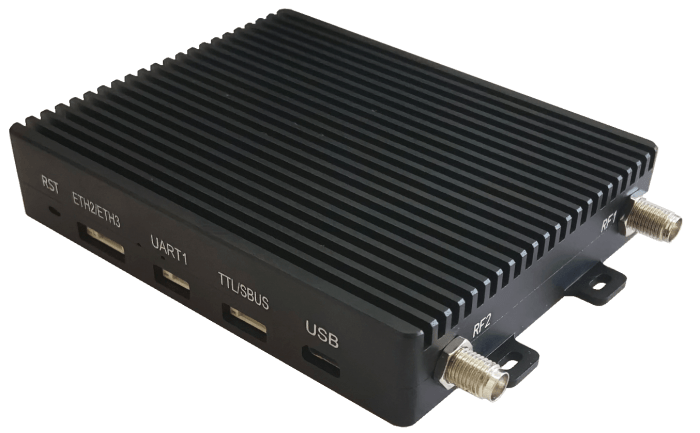
Mobile-first Design Strategy For Modern Web Development

1920x1080px | free download | HD wallpaper: Black laptop computer ...

Mobile-first design strategy is reshaping how we approach web development, emphasizing the need to cater to mobile users before desktop audiences. As smartphones become the primary browsing devices for many, harnessing this design philosophy not only enhances user experience but also aligns with the latest digital trends.

This approach focuses on core principles like simplicity, speed, and accessibility, ensuring that mobile users are not an afterthought but rather at the forefront of the design process. By prioritizing mobile experiences, developers can create responsive and engaging layouts that resonate with their audience.

Mobile-First Design Principles

In today’s digital landscape, mobile-first design has become a critical strategy for web development. As mobile devices continue to dominate internet usage, prioritizing mobile user experiences ensures that websites remain accessible and engaging to a broader audience. This approach acknowledges that many users access the web primarily through their smartphones, making it essential to design with these devices in mind from the outset.The core principles of mobile-first design revolve around creating optimal user experiences tailored for smaller screens before scaling up for larger displays.

This methodology compels designers and developers to focus on essential features, streamline content, and enhance usability for mobile users. By adopting a mobile-first mindset, teams can better address the unique challenges and opportunities that mobile interfaces present.

Core Principles of Mobile-First Design

Adopting a mobile-first approach is rooted in several fundamental principles that help guide the design process. Understanding these principles is crucial for creating effective mobile experiences. Here are the key components:

  • Simplicity: Mobile-first design encourages simplicity in layout and navigation. By stripping away unnecessary elements and focusing on core functionalities, users can easily interact with the content without feeling overwhelmed.
  • Content Prioritization: This principle involves identifying the most important content and features that cater specifically to mobile users. Essential information should be readily accessible, ensuring that users can find what they need quickly.
  • Responsive Design: Implementing responsive design techniques is vital for a mobile-first strategy. This approach ensures that layouts adapt smoothly to various screen sizes while maintaining a consistent user experience across devices.
  • Touch-Friendly Interfaces: Designing for touch interactions is essential in mobile-first design. Buttons and interactive elements must be appropriately sized and spaced to facilitate ease of use on touchscreens.
  • Performance Optimization: Mobile-first design emphasizes the importance of fast loading times and performance. Optimizing images and minimizing code can significantly enhance the user experience on mobile devices, where bandwidth may be limited.

Prioritizing Mobile User Experience

The process of prioritizing mobile user experience involves several strategic steps that ensure mobile users receive the best possible interaction with the website. This commitment to mobile-first design leads to a more satisfying user journey, which can ultimately drive engagement and conversion rates.Initially, developers should create wireframes that focus solely on mobile layouts. This early-stage planning helps identify key user journeys and functionality that must be prioritized.

User testing on mobile prototypes allows for feedback from real users, providing insights into pain points and areas for improvement before desktop versions are even considered.Another important step involves implementing a mobile-first content strategy. Content must be created and optimized specifically for mobile users, ensuring that it is concise and relevant. Additionally, analytics should be monitored to understand user behavior on mobile devices, allowing for ongoing adjustments to enhance the experience continually.

“Mobile-first design is not just about making things smaller; it’s about making smart choices that prioritize user needs.”

Implementing Mobile-First Strategies

Adopting a mobile-first design strategy is essential in today’s digital landscape where mobile device usage continues to rise. By prioritizing mobile users in the design process, businesses can create more engaging experiences that cater to the needs of their audience. Transitioning to a mobile-first approach ensures that the website is functional, accessible, and visually appealing on smaller screens, enhancing user satisfaction and engagement.Designing responsive web layouts that prioritize mobile users involves several key methodologies.

The goal is to create a seamless experience across various device sizes while maintaining the integrity of the brand and content. Here are some effective methods to implement:

Responsive Web Layout Techniques

Creating layouts that adapt fluidly to different screens is vital. Key techniques include:

  • Fluid Grids: Use relative units like percentages instead of fixed units (pixels) for defining grid elements. This allows elements to resize proportionally based on the screen size.
  • Flexible Images: Implement CSS techniques like max-width: 100%; to make images resize within their containing elements without exceeding their boundaries.
  • Media Queries: Utilize CSS media queries to apply different styles based on the device characteristics, such as screen width, enabling targeted adjustments for varying devices.

By combining these techniques, designers can ensure that their websites not only look great on mobile but also function effectively, providing a positive user experience.

Frameworks Supporting Mobile-First Design

There are several frameworks designed to facilitate mobile-first design, allowing developers to streamline their workflow and ensure responsiveness. Notable examples include:

  • Bootstrap: A widely-used framework that offers a mobile-first grid system, pre-designed components, and responsive utilities, enabling quick development of mobile-friendly websites.
  • Foundation: A responsive front-end framework that provides advanced features like responsive typography and a mobile-first approach, making it easier to create adaptive layouts.
  • Bulma: A modern CSS framework based on Flexbox, offering a simple syntax for creating responsive designs with a mobile-first mindset.

These frameworks provide built-in functionality that aids in creating websites that are not only visually appealing but also user-friendly on mobile devices.

Transitioning to Mobile-First Design

Transitioning an existing website to a mobile-first design can seem daunting, but following a structured approach can simplify the process. Here’s a step-by-step guide to facilitate this change:

1. Analyze Current Website

Conduct a thorough evaluation of the existing website’s performance on mobile devices. Identify areas that require improvement.

2. Define Essential Content

Prioritize the content that is most critical for mobile users. Focus on delivering core functionalities and information first.

3. Create Wireframes

Develop wireframes or mockups that emphasize mobile layouts. This helps visualize the design approach before implementation.

4. Implement Responsive Techniques

Begin coding using fluid grids, flexible images, and media queries as Artikeld earlier to create a responsive design foundation.

5. Test Across Devices

Regularly test the website on various mobile devices and screen sizes to ensure functionality and visual appeal. Make adjustments based on user feedback.

6. Optimize Performance

Focus on optimizing load times and performance for mobile users by minimizing large files and using efficient coding practices.

7. Iterate and Improve

After launching the mobile-first design, monitor user interactions and analytics. Use this data to continually iterate and enhance the user experience.

Transitioning to a mobile-first design not only enhances user experience but also positively impacts search engine rankings, as mobile-friendly websites are favored in search results.

Impact on Web Hosting and Domain Names

The shift towards a mobile-first design strategy has profound implications for web hosting and domain name selection. As websites increasingly prioritize mobile user experiences, the technical requirements for hosting and the strategic considerations for domain names must adapt accordingly. The relationship between mobile-first design and web hosting is particularly critical. Websites optimized for mobile usage require hosting solutions that can accommodate increased traffic, faster loading times, and enhanced security measures to ensure a seamless user experience.

The performance of a website on mobile devices is heavily influenced by the capabilities of the web host, making it crucial for businesses to choose hosting services that are specifically tailored for mobile optimization.

Web Hosting Requirements for Mobile Optimization

Choosing the right web host is essential for businesses aiming for a mobile-first approach. The following points highlight the key requirements that should be considered when selecting a web hosting provider:

  • Speed and Performance: Mobile users expect fast-loading pages, often demanding load times of under three seconds. Therefore, a web host with optimized server configurations, such as SSD storage and content delivery networks (CDNs), is vital.
  • Scalability: As mobile traffic can fluctuate significantly, a hosting plan that easily scales with increased demand allows businesses to maintain performance during peak times.
  • Mobile-Responsive Technologies: Support for technologies like AMP (Accelerated Mobile Pages) and responsive design frameworks is crucial for enhancing mobile experiences.
  • Security Features: With mobile devices often being more vulnerable, hosting providers should offer robust security measures, including SSL certificates and malware protection, to safeguard user data.

Domain Naming Strategies for Mobile Optimization

Selecting an appropriate domain name is equally important within a mobile-first context. The domain name should not only reflect the business identity but also align with principles of mobile optimization. Key considerations include:

  • Simplicity and Memorability: A concise and easy-to-remember domain name aids users in accessing the site quickly, especially on mobile devices where typing can be cumbersome.
  • Relevance: Incorporating relevant s into the domain can enhance search engine visibility, which is critical for mobile users who frequently rely on search engines to find services.
  • Mobile-Friendly Extensions: Choosing a domain extension that is universally recognized, such as .com or .net, can also enhance credibility and trustworthiness among mobile users.

“Your domain name is your first touchpoint with customers; make it easy and engaging.”

The interplay between mobile-first design and web hosting, alongside deliberate domain naming strategies, shapes the overall effectiveness of a digital presence. Businesses that recognize and adapt to these needs are better positioned to thrive in a mobile-dominated landscape.

Enhancing User Engagement through Mobile Design

Creating engaging content for mobile users requires a keen understanding of their unique needs and preferences. With the increasing reliance on mobile devices, it is crucial to design experiences that not only capture attention but also encourage interaction and retention. By leveraging mobile-specific strategies, businesses can foster deeper connections with their audience, enhancing overall engagement.To optimize user engagement via mobile design, several techniques must be employed that consider the limitations and advantages of mobile devices.

Notably, the smaller screens necessitate a focus on clarity and conciseness in content presentation. This includes breaking down information into digestible chunks, using engaging visuals, and ensuring intuitive navigation that facilitates quick access to desired content. Furthermore, integrating interactive elements such as swipeable galleries or touch-responsive buttons can significantly enhance user involvement.

Creating Engaging Content for Mobile Audiences

Crafting content specifically for mobile audiences involves understanding their consumption habits and preferences. Since mobile users often seek information quickly, presenting relevant and concise content is paramount.

  • Short and Snappy Texts: Mobile users prefer quick reads. Employ bullet points, headers, and short paragraphs to ensure easy skimming.
  • Interactive Features: Incorporate quizzes, polls, or interactive infographics to keep users engaged and encourage participation.
  • Personalization: Utilize data analytics to tailor content based on user behavior, making the experience more relevant to individual preferences.
  • Storytelling Techniques: Use compelling narratives that resonate emotionally with users, enhancing their connection with the content.

Optimizing Visuals and Multimedia for Mobile Devices

Visuals play a crucial role in mobile engagement. However, optimizing these elements for mobile is essential to ensure they perform well without hindering load times or user experience.

  • Responsive Images: Use CSS and HTML techniques to ensure images resize according to the device’s screen size, maintaining quality while improving loading speed.
  • Video Adaptation: Optimize videos for mobile by keeping them short, using adaptive streaming, and ensuring autoplay features do not consume excessive data or disrupt user experience.
  • Minimalistic Design: Adopt a clean and simple design, reducing clutter, which helps users focus on key visuals and messages without distractions.
  • High-Quality Graphics: Use high-resolution images that are optimized for mobile display, ensuring they are visually appealing and load quickly.

Impact on User Retention and Interaction Rates

Implementing mobile-first design principles can significantly influence user retention and interaction rates. A seamless mobile experience leads to increased satisfaction, which in turn fosters loyalty and repeat visits.

  • Improved Load Times: Faster loading pages reduce bounce rates, as users are less likely to abandon a site that loads quickly.
  • Enhanced Navigation: Simplified navigation tailored for touch interfaces encourages users to explore more, increasing the likelihood of interaction.
  • Consistent Experience: Providing a consistent experience across devices, particularly mobile, reinforces brand trust and keeps users coming back.
  • Data-Driven Insights: Analyzing user interaction metrics can help refine content strategies, further optimizing user engagement and retention efforts.

“A well-designed mobile experience does not just attract users; it converts them into loyal customers.”

Mobile Computing and Technology Integration

Policy Forum on Peace and Development | 𝗟𝗜𝗩𝗘: The Policy and Planning ...

Mobile computing has revolutionized the way users interact with digital content, making it essential for web design to adapt to a world increasingly dominated by mobile devices. As smartphones and tablets become the primary means of accessing the internet, web designers must focus on creating experiences that cater to the unique capabilities and constraints of mobile technology. This shift not only influences design aesthetics but also informs functionality and user engagement strategies.The impact of mobile computing on web design trends is profound.

Designers are moving towards minimalistic layouts that prioritize speed and usability, ensuring that mobile users have a seamless experience. Furthermore, responsive design techniques have gained traction, allowing websites to adapt to various screen sizes without compromising content quality. Key trends emerging in mobile web design include:

Latest Technologies Enhancing Mobile-First Design

Several cutting-edge technologies are at the forefront of enhancing mobile-first design, making it imperative for web designers to stay updated. One significant technology is Progressive Web Apps (PWAs), which combine the best of web and mobile apps. PWAs provide a native app-like experience on the web, allowing users to access content offline, receive push notifications, and enjoy faster loading times.Another innovation is the use of Accelerated Mobile Pages (AMP), which streamlines website content to load quickly on mobile devices.

This technology improves user experience and is favored by search engines, potentially boosting organic search rankings.Additionally, mobile-first design is being enhanced by advancements in artificial intelligence and machine learning, which can offer personalized user experiences and smart content delivery based on user behavior and preferences.

Role of Gadgets in Shaping Mobile-First Experiences

Gadgets such as smartwatches, fitness trackers, and smart home devices are shaping mobile-first experiences by creating a more interconnected ecosystem. These devices rely heavily on mobile applications for functionality, pushing designers to create interfaces that are intuitive and responsive across various platforms.The integration of voice-activated technology is also influencing mobile design. With the rise of virtual assistants like Siri, Alexa, and Google Assistant, many users now prefer voice commands over traditional typing.

This trend necessitates the incorporation of voice search optimization in web design to accommodate users’ evolving preferences.Furthermore, the increasing popularity of augmented reality (AR) in mobile applications is enhancing user engagement. AR allows users to interact with digital content in an immersive way, which can significantly enhance the shopping experience or educational applications.Overall, the convergence of mobile computing and technology integration is driving innovation in web design, pushing designers to continually refine strategies that improve accessibility and user satisfaction in a mobile-centric world.

Security Considerations in Mobile-First Design

As mobile devices continue to dominate internet usage, ensuring security in mobile-first design has become a paramount concern for web developers and businesses alike. The unique characteristics of mobile devices, such as their portability and the prevalence of public Wi-Fi, present distinct security challenges. Thus, implementing robust security measures is essential to protect user data and maintain trust.To create a secure mobile-first website, various security measures must be integrated into the design and development process.

These measures not only safeguard user information but also enhance the overall credibility of the website. A comprehensive approach includes using SSL certificates, secure data communication practices, and regular security assessments.

Importance of SSL Certificates in Mobile-First Design Strategies

SSL (Secure Sockets Layer) certificates play a crucial role in ensuring the security of mobile-first websites. They encrypt the data exchanged between users and the website, protecting sensitive information from unauthorized access. The importance of SSL certificates can be highlighted through the following points:

  • Data Encryption: SSL certificates encrypt data, making it unreadable to anyone who might intercept the communication.
  • User Trust: Websites with SSL certificates display HTTPS in the URL, which enhances user trust and confidence in the site’s security.
  • Benefits: Search engines like Google prioritize secure websites, potentially improving rankings for websites that implement SSL.
  • Compliance Requirements: Many regulations and industry standards require SSL encryption to protect user data, making it essential for compliance.

Implementing Secure Data Communication in a Mobile Context

Implementing secure data communication in mobile contexts is vital for protecting user information and maintaining privacy. Here are key practices to consider when ensuring secure data transmission:

  • Utilize HTTPS: Always serve your mobile website over HTTPS to guarantee that data remains encrypted during transmission.
  • Implement Token-Based Authentication: Use secure tokens for user sessions to prevent unauthorized access and enhance security.
  • Data Validation: Validate all incoming data on the server side to prevent injection attacks and ensure data integrity.
  • Regular Security Audits: Conduct frequent security audits and penetration tests to identify vulnerabilities and address them proactively.

Ensuring security in mobile-first design is not just about compliance; it’s about creating a safe environment that fosters user confidence and loyalty.

Final Thoughts

1920x1080px | free download | HD wallpaper: Black laptop computer ...

In conclusion, adopting a mobile-first design strategy is essential for any web developer looking to stay relevant in today’s fast-paced digital landscape. By prioritizing mobile users, leveraging the right tools, and understanding the implications on hosting and security, we set the stage for a more inclusive and engaging web experience that benefits everyone.

FAQ Guide

What is the main advantage of a mobile-first design strategy?

The main advantage is that it ensures a better user experience for mobile visitors, which is crucial as mobile traffic continues to grow.

How does mobile-first design impact ?

Mobile-first design improves by boosting page speed and user engagement, which are key factors in search engine rankings.

Can I implement mobile-first design on an existing website?

Yes, you can transition an existing website to a mobile-first design by restructuring content, optimizing images, and employing responsive design techniques.

What technologies support mobile-first design?

Frameworks like Bootstrap and Foundation, as well as CSS Grid and Flexbox, are commonly used to facilitate mobile-first design.

Is mobile-first design only about layout?

No, it also involves optimizing content, visuals, and interactions specifically for mobile devices to enhance overall user engagement.

How To Choose A Domain Name For Your Online Presence

Gitz: The Origin of a Name

How to choose a domain name is a crucial step for anyone looking to establish an online footprint. It serves as the foundation of your digital identity, influencing everything from branding to user perception. A memorable domain not only helps you stand out but also strengthens your online marketing strategy, paving the way for business success.

In this discussion, we’ll explore the essential traits of a great domain name, the significance of domain extensions, and proven strategies for brainstorming creative ideas. Additionally, we’ll delve into how domain names relate to web hosting, ensuring you have a comprehensive understanding as you embark on this vital journey.

Choosing the Right Domain Name

St. Lucy Parish: Daily Mass, Thursday, June 12, 2025 | St. Lucy Parish ...

Selecting a domain name is a pivotal step in establishing your online presence. A well-chosen domain name not only enhances your brand’s visibility but also influences user perception and search engine optimization. It’s vital to keep in mind the characteristics that make a domain name memorable and effective.When deciding on a domain name, it’s essential to consider several key characteristics that contribute to its memorability.

A strong domain name should be short, easy to spell, pronounceable, and relevant to your brand or business. This can significantly improve the chances of users remembering and returning to your website. Additionally, a unique name can help distinguish your business in a crowded market, making it more recognizable.

Essential Characteristics of a Memorable Domain Name

The following characteristics contribute to a domain name’s effectiveness and memorability:

  • Short and Simple: A concise name is easier to remember and type. Aim for 6-14 characters if possible.
  • Descriptive: A domain name should reflect the essence of your brand or the services offered, helping users understand what to expect.
  • Easy to Spell: Avoid complex words or unusual spellings that could lead to confusion. Simple is always better.
  • Pronounceable: If it’s easy to say, it’s easy to remember. This helps in word-of-mouth marketing.
  • Unique and Brandable: Ensure the name stands out from competitors. A unique name creates a strong brand identity.

Another important aspect to consider is the domain extension. The choice of extension—like .com, .net, or .org—can impact your brand’s reputation and credibility. Many users associate specific extensions with legitimacy and authority, which can influence their trust in your website.

Impact of Domain Extensions on Reputation and Branding

The domain extension you choose can significantly alter how people perceive your website. Here are some insights into how different extensions can affect your brand:

  • .com: The most recognized and trusted extension, often preferred by users for business and commercial sites.
  • .org: Generally associated with non-profit organizations or groups, which may lend credibility to community-focused initiatives.
  • .net: Originally meant for network-related businesses, it’s less common but still recognized.
  • Country-specific extensions: Extensions like .uk or .ca can boost local credibility, appealing to audiences in specific geographic areas.

Choosing the right extension can enhance your branding strategy and align with your business goals.

Strategies for Brainstorming Creative Domain Name Ideas

When it comes to generating domain name ideas, a systematic approach can yield the best results. Here are several effective strategies to consider:

  • Use s: Incorporate relevant s that describe your business, products, or services to improve .
  • Mix and Match: Combine words or parts of words to create a unique and catchy domain name.
  • Use Thesaurus: Explore synonyms or related concepts for fresh ideas that fit your brand.
  • Leverage Domain Name Generators: Utilize online tools designed to spark creativity and suggest available domains based on your inputs.
  • Get Feedback: Share your top choices with friends, family, or target audiences to gauge their reactions and preferences.

Implementing these strategies can help you arrive at a domain name that is not only unique and memorable but also aligned with your brand’s identity and goals.

The Relationship Between Domain Names and Web Hosting

Understanding the connection between domain names and web hosting is crucial for anyone looking to establish an online presence. A domain name is essentially your website’s address on the internet, while web hosting is the service that stores your website’s files and makes them accessible to visitors. These two elements work in tandem to ensure that users can find and interact with your content online.The process of linking a domain name to web hosting services typically involves a few key steps.

First, you need to register a domain name through a domain registrar, which is a company authorized to sell domain names. Once your domain is secured, you can select a web hosting provider that suits your needs. After choosing a hosting service, you will need to point your domain name to the hosting provider’s servers, which often involves updating the Domain Name System (DNS) settings.

Registration of Domain and Selection of Hosting Provider

Registering a domain name and selecting a hosting provider are foundational steps in establishing a website. Here’s a breakdown of the process:

1. Choose a Domain Name

Consider relevancy, memorability, and length. This is the first impression you make on potential visitors.

2. Select a Domain Registrar

Look for registrars that offer competitive pricing, good customer support, and additional services like privacy protection.

3. Check Domain Availability

Use the registrar’s search tool to confirm that your desired domain name is available for registration.

4. Register the Domain

Complete the registration process by providing necessary information and making a payment.

5. Select a Hosting Provider

Evaluate different hosting providers based on reliability, performance, pricing, and customer support.

6. Choose a Hosting Plan

Select a plan that aligns with your website’s needs, such as shared, VPS, or dedicated hosting.

7. Link Domain to Hosting

Update your domain’s DNS settings to point to your hosting provider to connect the two effectively.

Comparison of Different Hosting Options

Different hosting options cater to various types of websites, and understanding these can help you choose the right fit for your needs. Below are common hosting types with insights on their suitability:

Shared Hosting

Ideal for beginners or small websites. Multiple sites share the same server resources, making it cost-effective but potentially slower during high traffic times.

VPS (Virtual Private Server) Hosting

Offers a middle ground between shared and dedicated hosting. A single server is divided into virtual servers, providing more resources and better performance for growing websites.

Dedicated Hosting

Provides an entire server dedicated to your website. This is best for large businesses or websites with high traffic volumes, as it offers maximum control and performance.

Cloud Hosting

Utilizes multiple servers to store data, allowing for scalability and increased uptime. This is suitable for websites expecting fluctuating traffic and needing flexibility.

Managed WordPress Hosting

Specifically designed for WordPress sites, it comes with specialized support and features optimized for WordPress, making it an excellent choice for users focused on this platform.

Choosing the right hosting type is as important as selecting a domain name, as it directly impacts your website’s performance and user experience.

By understanding these relationships and options, you can make informed decisions that align with your website goals. Remember, your domain name is your online identity, while your hosting provider is the backbone that supports your website’s functionality.

Domain Name Considerations for Online Business Success

Gitz: The Origin of a Name

Choosing the right domain name is crucial for online business success, as it serves as the digital address that customers will use to find and interact with your brand. A well-chosen domain name can enhance marketing efforts, improve brand recognition, and ultimately contribute to higher conversion rates. This section delves into how a domain name influences marketing effectiveness, aligns with business goals, and protects brand identity.

Influence of Domain Name on Online Marketing Effectiveness

The effectiveness of online marketing can be significantly impacted by the choice of domain name. A memorable and relevant domain name can lead to higher click-through rates and improved search engine rankings. A few key aspects include:

  • Brand Recall: An easy-to-remember domain name enhances brand recall, making it more likely for customers to return to your website.
  • Benefits: Including s in your domain can improve search engine optimization, helping your site rank higher for relevant searches.
  • Trust Factor: A professional-looking domain reflects credibility, encouraging users to feel secure while engaging with your brand.

Aligning Domain Names with Business Goals and Target Audience

For a domain name to effectively serve a business, it should resonate with the target audience and align with overall business objectives. Ensuring that your domain communicates your brand’s mission or service can attract the right customers.Consider the following tips:

  • Identify Your Niche: Research and understand your target audience’s preferences and linguistic trends within your industry.
  • Keep It Simple: Aim for brevity and clarity. A shorter domain is easier to type and share, reducing the risk of customer errors.
  • Reflect Brand Personality: Choose a name that embodies the tone and values of your brand, whether it’s playful, serious, or innovative.

Securing a Domain Name to Protect Brand Identity

Once you’ve selected the ideal domain name, securing it is vital for protecting your brand identity from competitors and cybersquatters. Domain security ensures that your online presence remains intact and unchallenged.Here are essential strategies for domain name protection:

  • Register Multiple Extensions: Consider securing not just the .com version but also .net, .org, and other relevant extensions to prevent impersonation.
  • Monitor Domain Expiration: Set reminders for renewal dates to avoid losing your domain due to oversight.
  • Implement Domain Locking: Enable domain locking features offered by registrars to prevent unauthorized transfers.

Protecting your domain name is as crucial as choosing the right one; it’s your first line of defense in the digital marketplace.

Concluding Remarks

In conclusion, choosing the right domain name is more than just a technical task; it’s an integral part of your brand’s foundation. By understanding the nuances of domain names and their relationship with web hosting, you can make informed decisions that resonate with your target audience and align with your business goals. Take the time to explore and secure a domain that embodies your vision, and watch your online presence flourish.

FAQ

What makes a domain name memorable?

A memorable domain name is typically short, easy to spell, and reflects the essence of your brand or business.

Should I choose a .com domain?

While .com is the most recognized extension and often preferred, you can choose other relevant extensions based on your niche or target audience.

How long should my domain name be?

Ideally, your domain name should be between 6 to 14 characters long to maximize memorability and ease of typing.

Can I change my domain name later?

Yes, but changing your domain name can affect your and branding. It’s best to choose wisely from the start.

How do I secure my domain name?

You can secure your domain name by registering it with a reputable registrar and considering additional privacy protection options.